













How Fire Suppression Systems Connect to HVAC Shutdowns and Emergency Power Controls
A special hazard suppression system is only as reliable as the sequence of operations around it. If HVAC keeps running, dampers stay open, or protected equipment restarts too early, the agent concentration needed for fire control can drop before it does its job. For facility managers, BAS technicians, and mechanical and electrical contractors across Canada, understanding how suppression, HVAC, and emergency power interact is central to passing acceptance testing and keeping a special hazard room protected.
Key Takeaways
- Suppression performance depends on coordinated control sequences, not just the cylinders and nozzles in the room.
- A typical suppression event involves an alarm signal, a pre-discharge warning, HVAC shutdown, damper closure, fan sequencing, equipment shutdown, and emergency power logic, all before discharge.
- Air movement from supply fans, return fans, and exhaust fans can dilute or redirect clean agent and inert gas concentrations if shutdown sequences do not match the design basis.
- Emergency power interfaces must distinguish between equipment that should shut down and critical safety functions, such as alarms, emergency lighting, and monitoring, that must stay active.
- Integration failures are common during testing: dampers that fail to close, fans that restart after alarm reset, or BAS logic that overrides suppression commands.
- Commissioning and periodic testing should verify the full sequence of operations, not only the suppression system's own components.
- BAS programming changes made after commissioning are a frequent cause of suppression readiness gaps, since mechanical and controls updates do not always get reviewed against the original fire protection design.
Why Suppression Systems Cannot Be Treated as Standalone Equipment
A special hazard suppression system does not operate in isolation. Its effectiveness depends on room conditions at the moment of discharge, including whether HVAC has shut down, whether dampers have closed, and whether protected equipment has stopped running. If any of these conditions are not met, agent concentration and fire control can be compromised even when the suppression cylinders and detection components function exactly as designed.
Explore further
This is why suppression system reliability is a coordination and documentation problem as much as a mechanical one. The sequence of operations connecting fire alarm, suppression, HVAC, electrical, and BAS systems needs to be designed, commissioned, and tested as a single interconnected system, not as separate scopes handled independently by each trade.
What Usually Needs to Happen During a Suppression Event
A typical sequence follows this order:
- Alarm signal received by the fire alarm control panel.
- Pre-discharge warning activates to alert occupants.
- HVAC units shut down where required by the design.
- Dampers close where required to contain the protected space.
- Fans or exhaust sequences operate according to the approved design.
- Protected equipment shuts down where needed.
- Emergency power logic follows the approved sequence.
- Suppression discharges only after required interlocks and time delays have been satisfied.
Each step depends on the one before it. A delay or failure at any point, such as a damper that does not close, can affect the outcome of the steps that follow.
HVAC Shutdowns, Dampers, and Air Movement
Air movement matters because clean agent and inert gas systems depend on maintaining a specific concentration in the protected space for a defined hold time . Supply fans, return fans, and exhaust fans that continue running can dilute the agent or pull it out of the room before it has extinguished the fire.
Common components involved in this part of the sequence include supply fans, return fans, exhaust fans, fire and smoke dampers, motorized dampers, door releases, and BAS commands that coordinate these devices. Not every facility uses the same shutdown logic. The correct sequence depends on the room's ventilation design, the hazard being protected, and the specific suppression agent in use, so a sequence copied from another project or another room type may not apply.
Emergency Power and Equipment Shutdown Interfaces
Emergency power interfaces typically cover UPS systems, generators, emergency power circuits, and shutdowns for electrical equipment, process equipment, server equipment, and control systems.
A key distinction in this part of the design is between equipment that should shut down during a suppression event and critical safety functions that must remain active, such as fire alarms, emergency lighting, life safety monitoring, and any ventilation that is required to stay on for occupant safety. Getting this distinction wrong in either direction, shutting down something that must stay active or leaving running something that should shut down, is a common source of test failures.
People also search
Fire Alarm, Releasing Panel, and BAS Coordination
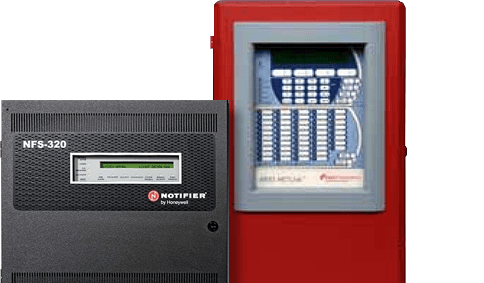
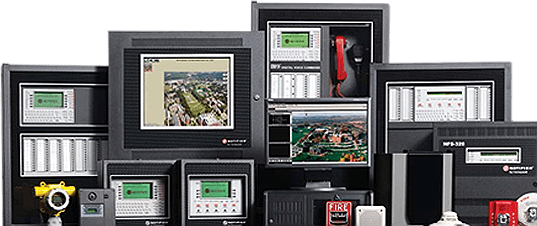
Signals typically pass between the fire alarm control panel , the releasing panel , the BAS, HVAC controllers, and electrical controls. Each of these systems is often installed and maintained by a different contractor, which creates a coordination risk when trades work in silos.
A particular risk is BAS programming changes made after the suppression system has been commissioned. A mechanical or controls update intended to improve HVAC efficiency or comfort control can unintentionally override or bypass the shutdown sequence the suppression system depends on, without anyone flagging the conflict until the next test.
Common Integration Problems Found During Testing
- HVAC does not shut down as designed.
- Dampers fail to close.
- Fans restart automatically after alarm reset.
- BAS overrides suppression commands.
- Emergency power keeps non-essential equipment running.
- Wrong relay or signal mapping between systems.
- No documentation of the sequence of operations.
- Unclear ownership between fire, mechanical, electrical, and controls contractors.
What to Verify During Commissioning and Periodic Testing
- The full sequence of operations, end to end.
- Pre-discharge alarms and time delays.
- HVAC shutdown and damper position at each stage.
- Emergency power behaviour during and after the event.
- Abort and manual release functions where applicable.
- Signal supervision and trouble conditions.
- Panel event logs.
- Updated drawings and documentation reflecting the as-built sequence.
Case Insight
A clean agent system protects an automation room. During testing, the system releases the correct alarms and pre-discharge warning, but the connected HVAC fan continues operating because the BAS sequence was modified during a recent upgrade. The fan was not reconnected to the suppression shutdown logic after the change. Correcting the control logic and updating the commissioning documentation restores the room's suppression readiness.
Final Recommendations & Best Practices
- Bring fire protection, mechanical, electrical, BAS, and operations teams into the design review early.
- Document the sequence of operations clearly, including which systems shut down, close, or remain active at each stage.
- Retest interfaces after renovations, BAS changes, or equipment upgrades, not only at initial commissioning.
- Keep fire alarm and suppression records aligned with mechanical and electrical documentation.
- Do not assume a passed cylinder inspection means the full system is ready. The suppression hardware is one part of a larger sequence.
FAQ
Why does HVAC need to shut down during a suppression discharge?
Continued airflow from supply, return, or exhaust fans can dilute a clean agent or inert gas concentration, or pull it out of the protected space, before it reaches the level needed to control the fire. HVAC shutdown is part of maintaining the design concentration for the required hold time.
What happens if a damper fails to close during a suppression event?
An open damper can allow agent to escape the protected space or allow outside air to enter, which reduces the concentration in the room. This is one of the most common findings during acceptance and periodic testing and typically points to a wiring, relay, or actuator issue.
Does every suppression system use the same HVAC shutdown sequence?
No. The correct sequence depends on the room's ventilation design, the hazard being protected, and the suppression agent in use. A sequence designed for one room or one agent type should not be assumed to apply to another without review.
Why would BAS programming affect a fire suppression system after it has already passed commissioning?
BAS controls are often updated after initial commissioning for reasons unrelated to fire protection, such as energy efficiency or comfort adjustments. If those changes are not reviewed against the original suppression sequence, they can unintentionally override or disconnect a shutdown command the suppression system depends on.
What equipment should keep running during a suppression event?
Critical safety functions typically need to stay active, including fire alarm signalling, emergency lighting, life safety monitoring, and any ventilation specifically required for occupant safety. Non-essential HVAC and process equipment are the systems usually targeted for shutdown.
How often should HVAC and emergency power interfaces be retested after initial commissioning?
Interfaces should be retested whenever the protected space undergoes renovations, BAS reprogramming, or equipment upgrades, in addition to any periodic testing schedule already required for the suppression system. A passed test at commissioning does not confirm the sequence still functions after later changes.
Who is responsible for verifying the full sequence of operations, not just the suppression system itself?
Verifying the complete sequence typically requires coordination between the fire protection contractor, mechanical contractor, electrical contractor, and BAS technician, since the sequence spans systems that no single trade fully controls on its own.
Need help verifying HVAC shutdowns or emergency power controls tied to a suppression system?
Control Fire Systems ltd. helps Canadian facilities coordinate fire suppression, alarm, BAS, HVAC, and electrical interfaces for reliable special hazard protection.