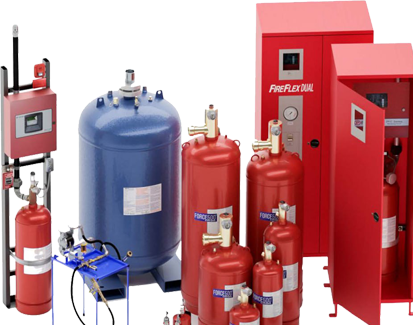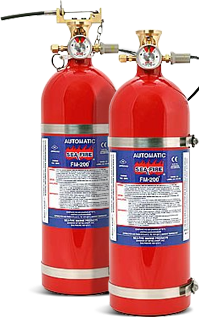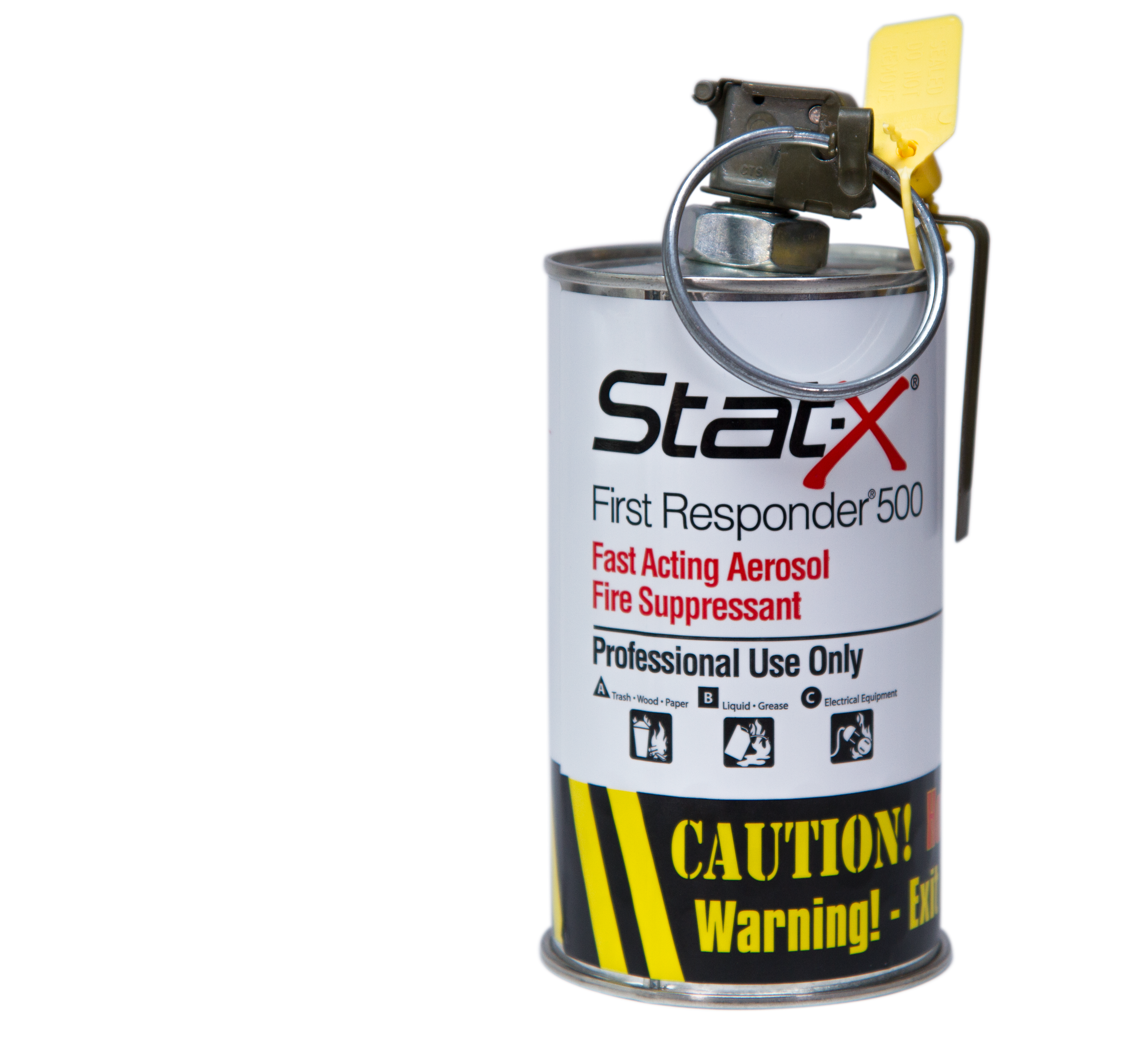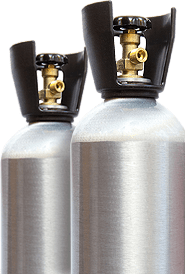














CO2 & Clean Agent Cylinder Testing
Pressure cylinders used in fire suppression systems must be regularly tested to remain safe and compliant. A cylinder with hidden structural damage - internal corrosion, hairline cracks, or wall thinning - can leak or rupture under pressure, putting your facility and staff at serious risk.
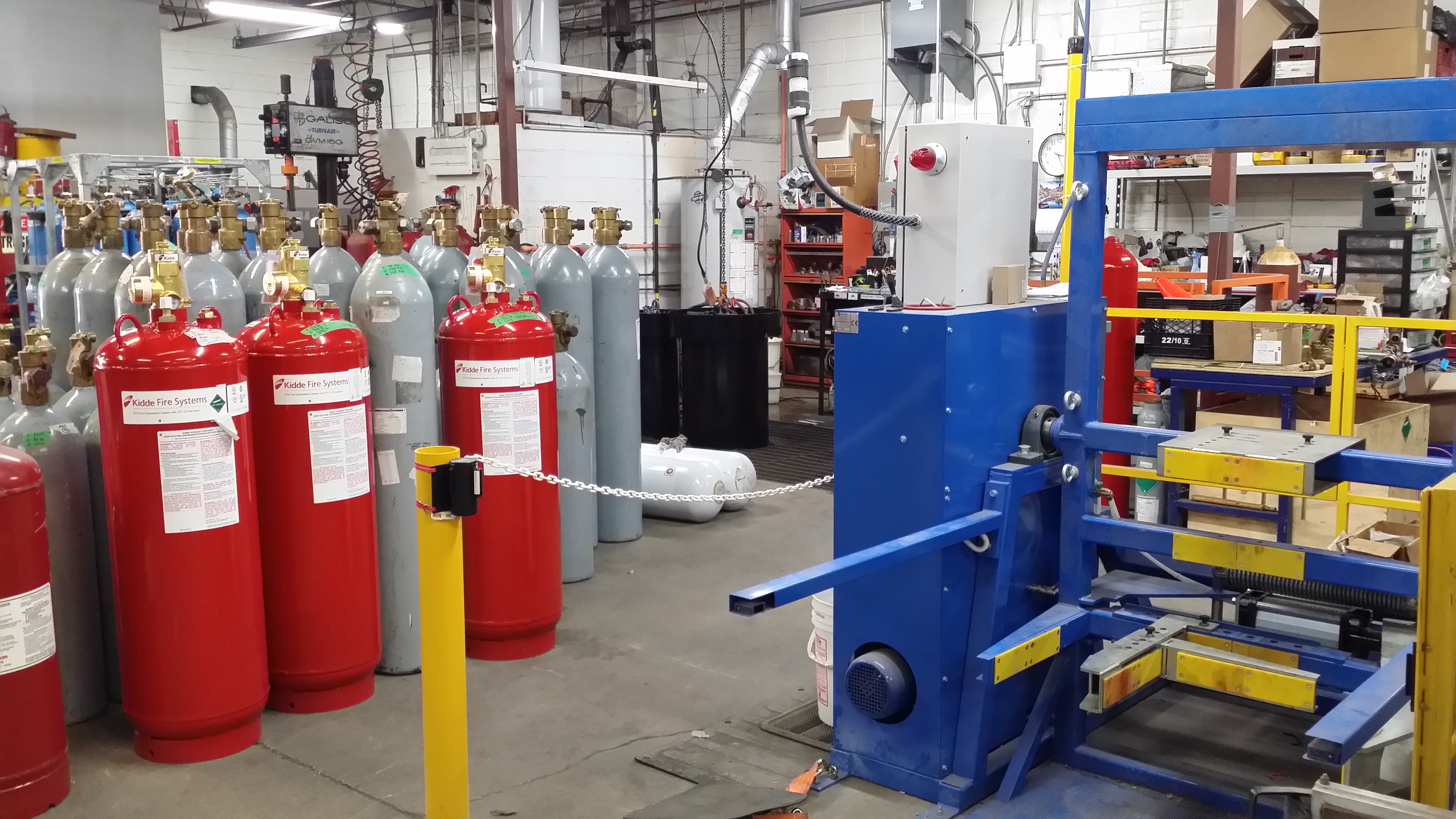
Control Fire Systems is a Transport Canada Approved hydrostatic testing facility for CO2 and clean agent cylinders. Our licensed technicians perform full H-testing, internal and external inspections, valve servicing, sandblasting, and repainting - all in-house at our Toronto facility at 63 Advance Rd., M8Z 2S6.
Testing is mandatory under NFPA, Transport Canada, and DOT regulations. We handle the full process so your cylinders remain compliant, in service, and ready to perform when needed.
Which Cylinders Require Hydrostatic Testing?
Hydrostatic testing applies to any pressurised cylinder used in fire protection and life safety applications. This includes:
- CO2 cylinders for fire suppression systems
- Clean agent fire suppression cylinders (Novec 1230, FM-200, FK-5-1-12, and others)
- Portable fire extinguishers
- Firefighting breathing air cylinders (SCBA)
- Aluminium and steel cylinders
- Composite fibre-wrapped cylinders
- SCUBA diving tanks
- Medical cylinders
If you are unsure whether your cylinders are due for testing, our team can review your records and advise on scheduling.
How Often Must Cylinders Be Tested?
|
Cylinder Type |
Testing Interval |
Authority |
|
CO2 and clean agent cylinders (Novec 1230, FM-200, FK-5-1-12, and others) |
H-test required every 5 years if recharge is needed |
NFPA / Transport Canada / DOT |
|
CO2 cylinders in continuous service (no discharge) |
Remove and test after 12 years |
NFPA / Transport Canada / DOT |
|
Clean agent cylinders in continuous service (no discharge) |
Remove and test after 12 years per manufacturer and regulatory schedule |
NFPA 2001 / Transport Canada |
|
Portable fire extinguishers |
Every 5 or 12 years depending on type |
NFPA 10 / Transport Canada |
|
SCBA and breathing air cylinders |
Every 5 years |
Transport Canada / CSA |
Testing must be performed by a Transport Canada licensed and certified agency. Control Fire Systems holds this approval and provides all required documentation upon completion.
The Hydrostatic Testing Procedure
Hydrostatic testing - commonly called H-testing - is the standard method for verifying the structural integrity of pressurised cylinders. Here is what the process involves:
- External visual inspection - The cylinder is thoroughly examined for dents, gouges, sidewall deformation, evidence of corrosion, and hairline cracks at the neck and shoulder where the valve body connects.
- Cylinder preparation - The cylinder is evacuated. All valves, hose assemblies, and internal parts are removed for separate inspection.
- Internal inspection - The interior of the cylinder receives the same level of scrutiny as the exterior - checking for corrosion, wall thinning, and any internal damage.
- Water jacket pressurisation - The cylinder is filled with water and placed inside a sealed water jacket tube. Once temperatures equalise, the cylinder is pressurised to approximately 5/3 of its stamped operating pressure - typically between 3,000 and 10,000 psi - and held for a minimum of 30 seconds.
- Expansion measurement - A manometer measures how much the cylinder expands under pressure. After depressurisation, the permanent expansion is recorded. Permanent expansion cannot exceed 10% of the total expansion - if it does, the cylinder is condemned.
- Pass or condemn - Cylinders that leak, exceed expansion limits, or show new damage are condemned and must be destroyed. They cannot be repaired or returned to service. Cylinders that pass are stamped with the licensed test agency's number.
- Hose and accessory testing - Discharge and accessory hoses are also pressure-tested to verify there are no hidden weaknesses.
- Drying, refilling, and return to service - Passing cylinders are thoroughly dried, refilled with the appropriate agent, and returned to service with full documentation.
A cylinder that fails any stage of this process is condemned on the spot. There is no grey area - a condemned cylinder cannot be repaired, re-tested, or put back into service.
What Our Cylinder Testing Service Includes
- Transport Canada approved water jacket hydrostatic testing
- Internal cleaning
- Internal and external cylinder inspections
- Valve inspection, rebuilding, and replacement
- Discharge and accessory hose testing
- Sandblasting to remove old or damaged paint
- Cylinder repainting
- Computerised test results and documentation
- Stamping by our TC-licensed test agency
All services are performed in-house at our Toronto facility. We do not subcontract cylinder testing work.
Why Choose Control Fire Systems for Cylinder Testing
- Transport Canada Approved facility We hold official Transport Canada approval for H-testing of CO2 and clean agent cylinders. Testing performed by non-approved agencies is not legally compliant.
- Everything in-house, one location Inspection, H-testing, cleaning, sandblasting, repainting, valve work, and refilling are all completed at our Toronto facility - 63 Advance Rd., M8Z 2S6. You deal with one team from start to finish.
- 45+ years of experience We have been testing and servicing fire suppression cylinders across Canada for over 45 years, working with commercial, industrial, military, and aviation clients.
- Computerised results and documentation You receive a complete set of computerised test records - including expansion measurements, pass/fail results, and stamping details - for every cylinder we test.
- Regulatory compliance handled for you We know the NFPA, DOT, and Transport Canada requirements and manage the full compliance process, including scheduling, documentation, and return to service.
- Full refilling capability on-site As Canada's only ULC-listed first-fill and recharge facility, we can test and refill your cylinders without transferring them to a separate location.
Schedule Your Cylinder Testing
If your CO2 or clean agent cylinders are due for testing - or if you are unsure of their testing status - contact Control Fire Systems. Our team will review your records, confirm what is required, and schedule the work around your facility's needs.
Phone: 1-866-384-1280
Emergency line: 1-866-525-8514 (24/7)
Facility address: 63 Advance Rd., Toronto, Ontario, Canada M8Z 2S6
Email: info@controlfiresystems.com