












How to Choose Between Clean Agent, Inert Gas, Aerosol, Water Mist, and Pre-Action Systems
Choosing a fire suppression system for a special hazard environment is rarely straightforward. Data centres , electrical rooms, industrial control spaces, telecommunications facilities, battery rooms, and archives all present different fire risks, equipment sensitivities, and operational requirements. A system that performs well in one environment may be unsuitable in another.
Clean agent, inert gas, aerosol, water mist, and pre-action systems each protect assets in different ways. The right choice depends on factors such as occupancy, enclosure integrity, HVAC operation, business continuity requirements, applicable NFPA standards, and local AHJ expectations. Understanding these differences early helps facility teams avoid costly design changes and select a solution that protects both people and critical operations.
Explore further
Key Takeaways
- There is no universal fire suppression system for every special hazard application.
- Clean agent systems are commonly selected where fast suppression and zero residue are essential.
- Inert gas systems suppress fires by reducing oxygen concentration without leaving chemical residue.
- Aerosol systems are often used for small enclosures, cabinets, and electrical equipment.
- Water mist systems use significantly less water than traditional sprinklers but are not appropriate for every sensitive environment.
- Pre-action sprinkler systems help reduce the risk of accidental water discharge while maintaining sprinkler protection.
- Proper system selection should consider the protected asset, room design, HVAC integration, maintenance requirements, applicable codes, and long-term operational costs.
Why Special Hazard System Selection Is Not One-Size-Fits-All
Special hazard systems could easily be called specialized protection instead. While the concept of a special hazard system is simple (using non corrosive agents which will not damage sensitive equipment like water will), each protection system requires a unique setup and application.
This specialization within the system requires a strong knowledge of how each different type of agent works, where it works, and what types of materials it works with. Special agent selection is definitely not "one size fits all," and there is no one "magic bullet" that will solve all your special protection needs. This guide will walk you through the different solutions CFS offers, and how each individual solution may be of benefit to your facility.
Clean Agent Systems: When Fast, Residue-Free Suppression Matters
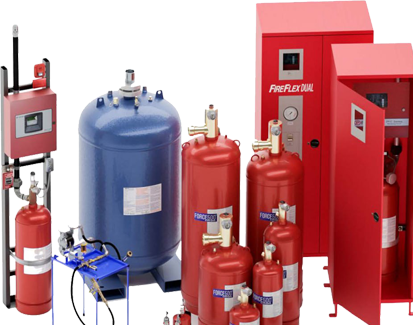
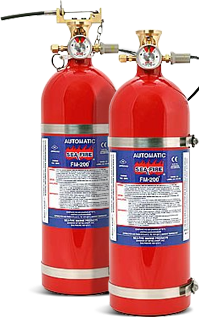
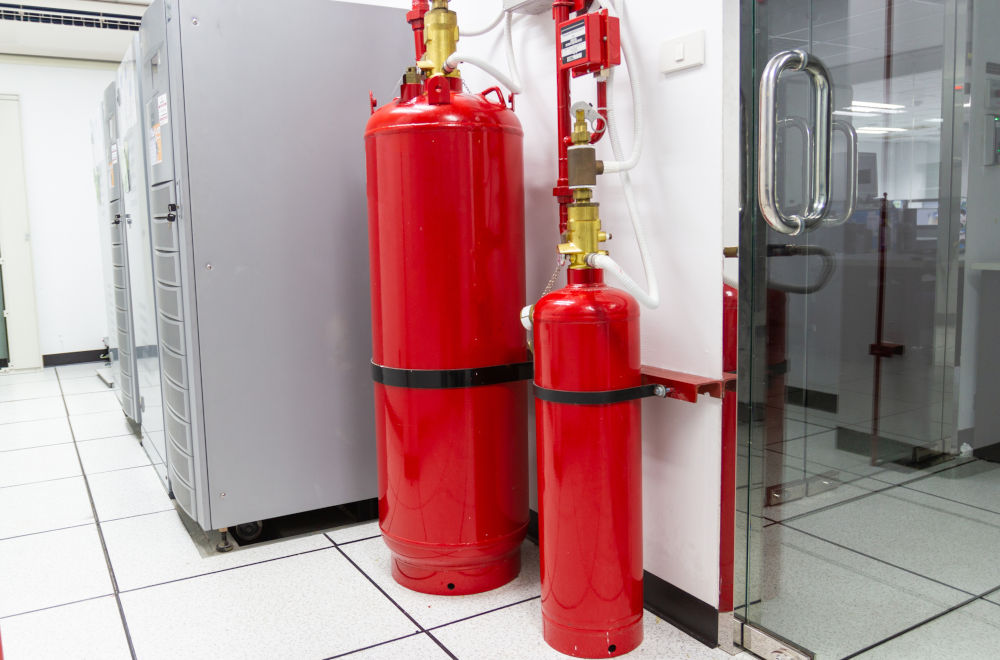
Residue free systems, like the popular FK-5-1-12 are ubiquitously seen through high-tech environments like server rooms and telecommunications centers. These systems quickly deal with nascent fire threats and will not harm sensitive computer parts.
This type of fluoro-k suppression agent quickly cools the environment (like water would do) and disrupts the chemical chain of events required for fire to continue to spread.
Inert Gas Systems: Oxygen Reduction Without Chemical Residue
Inert gas systems work by completely displacing oxygen from the container, disrupting that aspect of the fire triangle without leaving behind any residue or corrosive element whatsoever.
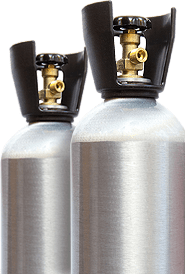
These systems typically use nitrogen or carbon dioxide to remove oxygen from the environment, making them good choices in unstaffed or remote areas.
Aerosol, Water Mist, and Pre-Action Systems: Where They Fit
Condensed Aerosol Systems
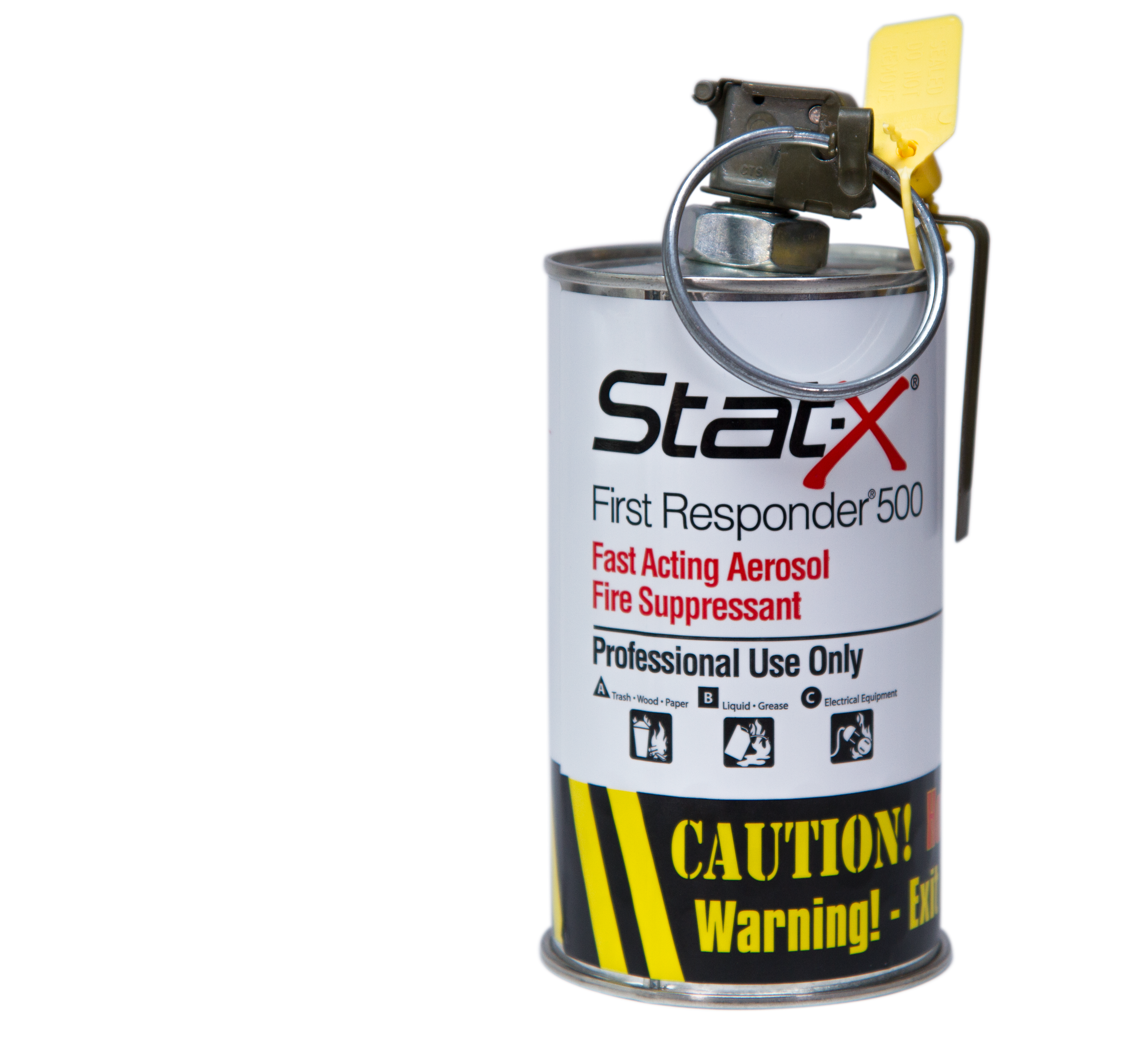
Aerosol systems work by expelling chemicals from a small canister rather than a large pool, and are particularly effective in small cabinets and confined spaces. Electrical panels, closets, and small, contained rooms can effectively use aerosol systems.
People also search
Water Mist Systems
Traditional sprinkler systems douse large areas with water, not only protecting the room but,importantly, making the environment safer for firefighters to enter.
Unlike these systems, water mist systems dispel a much smaller amount of water and are designed to cool the environment just enough to reduce fire proliferation. While not recommended for rooms with sensitive, easily damaged equipment, misting systems can be effective in specific high-asset rooms.
Pre-Action Sprinkler Systems
These sprinkler systems work like traditional sprinkler systems except that they combine the best facets of both wet and dry systems. They offer additional protection against accidental discharge and pipe bursts, and can be installed in areas at high risk of fire damage.
Key Decision Factors Facility Teams Should Compare
The first step to understand what suppression method should be employed is to decide what kind of asset you are protecting, and how significant a danger a fire would pose to life safety. Unmanned facilities and tightly packed office buildings require very different types of protection.
From there, you need to think about room encapsulation and design, as well as the size and integration of HVAC into the room and building as a whole.
Inspections and local AHJ jurisdiction needs to be adhered to as well; keep up with your paperwork to avoid any issues down the line with either local governments or insurance agencies.
Common Selection Mistakes to Avoid
Being pennywise and pound foolish is a mistake company owners know to avoid in other aspects of their business, but it is frequently made in clean agent suppression setup. Don't be fooled into low upfront costs if it means less protection or greater long-term maintenance costs and logistics.
Misunderstanding the nature of clean agent systems, and not tailoring your suppression to your unique needs, is the most common problem. Disregarding the importance of room setup in a suppression system can be disastrous, as can forgetting to work with HVAC engineers to properly integrate and encapsulate your room.
Case Insight
A Canadian facility was renovating a control room near an electrical distribution area. The team initially wanted to go with a standard sprinkler setup, but the risk of increased downtime and sensitive equipment led them to evaluate clean agent and pre-action options. After reviewing enclosure integrity, maintenance access, and alarm/HVAC interfaces, the facility selected a coordinated protection strategy, utilizing the appropriate clean agent selection for their needs, instead of relying on a single generic system.
Final Recommendations & Best Practices
Complete a thorough assessment of your possible hazards and needs; this will save you time when you come to select your discharge material. Create a plan to uphold local jurisdictional guidelines, and schedule regular inspections to adhere to these. If you document this whole process, you will be on track to keeping your facility up and running.
Need help choosing the right special hazard fire suppression system?
Control Fire Systems ltd. helps Canadian facilities compare clean agent, inert gas, aerosol, water mist, and pre-action options based on risk, code expectations, equipment sensitivity, and long-term maintenance requirements.
Frequently Asked Questions
Which fire suppression system is best for a data centre?
There is no single best option for every data centre. Clean agent systems are commonly used because they suppress fires quickly without leaving residue on sensitive electronics, while some facilities also incorporate pre-action sprinklers as a secondary level of protection. The final design depends on the facility's risk assessment and code requirements.
What is the difference between a clean agent system and an inert gas system?
Clean agent systems primarily suppress fire by absorbing heat and interrupting the combustion process, while inert gas systems extinguish fire by lowering the oxygen concentration below the level required to sustain combustion. Both are residue-free but have different design considerations and room requirements.
When should aerosol fire suppression be used?
Condensed aerosol systems are typically suitable for small enclosed spaces such as electrical cabinets, switchgear, control panels, and equipment enclosures where localized protection is required.
Is water mist safe for electrical equipment?
Water mist uses far less water than conventional sprinklers and can be appropriate for certain high-value environments. However, it is generally not the preferred solution for rooms containing highly sensitive electronic equipment where even limited water exposure could result in significant damage.
Why are pre-action sprinkler systems used instead of standard sprinklers?
Pre-action systems require multiple conditions before water enters the piping and discharges. This additional level of verification reduces the likelihood of accidental water release caused by damaged sprinkler heads or piping failures, making them a common choice for facilities housing critical equipment.
What factors should be considered when selecting a special hazard fire suppression system?
Key considerations include the type of assets being protected, occupant safety, enclosure integrity, HVAC operation, room size, applicable NFPA standards, local AHJ requirements, business continuity objectives, maintenance requirements, and the total lifecycle cost of the system.
Can multiple fire suppression systems be used together?
Yes. Many Canadian facilities use coordinated protection strategies that combine different technologies - for example, clean agent suppression with pre-action sprinklers, early smoke detection, fire alarm integration, and HVAC shutdown controls - to provide layered protection based on the specific risks of the facility.