













Common Deficiencies Found During Special Hazard Fire Suppression Inspections
Special hazard fire suppression inspections involve far more than checking cylinders or confirming that detection devices are operational. Unlike conventional sprinkler systems, clean agent , inert gas , aerosol , and other special hazard systems depend on multiple components working together - including detection, control panels, release circuits, HVAC shutdowns, room integrity, and properly maintained suppression equipment.
Even a small issue, such as an unsealed cable penetration or a missed hydrostatic test, can reduce system performance or prevent the suppression agent from working as designed. Understanding the most common inspection deficiencies allows facility managers to correct problems early, maintain compliance with NFPA standards and Canadian regulations, and reduce the risk of equipment damage, business interruption, or failed inspections.
Explore further
Key Takeaways
- Special hazard inspections evaluate the complete suppression system—not just cylinders or detection devices.
- Low cylinder pressure, missing hydrostatic testing, and poor cylinder access are common inspection findings.
- Detection, releasing circuits, and control panels should be regularly tested and documented.
- Room integrity issues, including cable penetrations and door gaps, are among the most frequent causes of clean agent system deficiencies.
- HVAC shutdown sequences and damper operation must work with the suppression system to maintain agent concentration.
- Missing documentation, inspection records, and updated drawings can create compliance and insurance issues.
- Address life safety and system performance deficiencies first, followed by documentation and administrative corrections.
Why Special Hazard Inspections Are Different From Basic Fire Equipment Checks
Special hazards inspections deal with extremely high-value and high-consequence rooms; data centers , server rooms, and similar spaces with specialized, sensitive, and expensive equipment.
Unlike spaces that use traditional suppression techniques that rely on water to cool the fire, these rooms need to be specifically set up to allow the agents that are being used to function in the role for which they are intended.
Also unlike water-based systems, with simple mechanical sprinkler activation, special hazards rooms rely on an integrated effort of several high-tech components working in sequence.
Cylinder and Agent Deficiencies
Low Cylinder Pressure or Weight Loss
Having inadequate pressure in your cylinders will not allow the chemical to be dispelled properly even if the activation system triggers in a timely fashion. Keeping up with cylinder inspection and weighing protocols will help prevent this.
Missing Hydrostatic Testing or Requalification Records
Cylinder manufacturers provide hydrostatic testing schedules with each cylinder, and missing these key testing dates puts your entire system at risk. Likewise, poor record keeping could prevent you from properly scheduling the necessary testing.
Poor Cylinder Access or Labelling
Placing your cylinders in such a way as to high important labeling information makes it difficult for regular visual inspection to do a sufficient job. Having access to all the data your cylinders are mandated to have written on them will supply you with the needed information to continue to service them to keep them on the front line.
Detection, Control Panel, and Release Circuit Issues
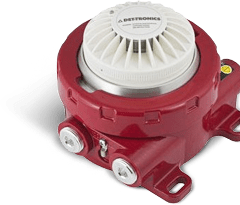
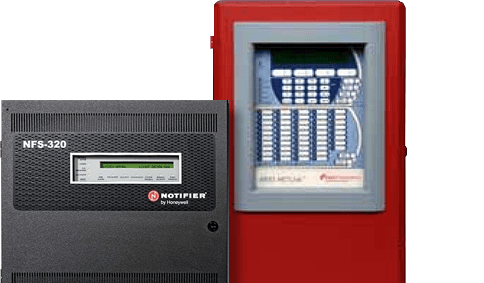
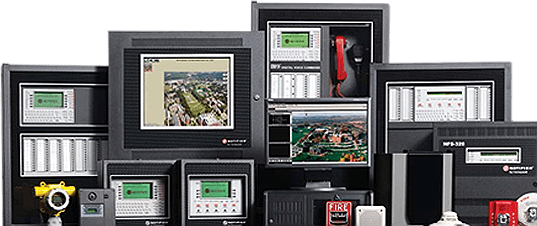
Detection panels are key for clean agent suppression systems functionally. Proper wiring and setup is crucial; this setup is almost as complicated as the machinery the clean agent is designed to protect.
People also search
Regular inspection is needed to look for damaged wiring, release circuits, and proper documentation of all repair and maintenance work.
Room Integrity, Venting, and Enclosure Problems
Lack of room integrity is the leading cause for the failure of clean agent systems. New penetrations caused by cabling, open dampers, and improper HVAC design and implementation create room conditions that don't allow for the agent to perform in the environment.
Door gaps are improper venting are simple things that can ruin an otherwise solid clean agent plan. Be especially mindful of the conditions of your room during setup and after any modifications made to the space, no matter how minor.
HVAC, Shutdown, and Interlock Deficiencies
Your HVAC system needs to be sequenced to work with your clean agent system, not against it. Leaving dampeners open, or venting the room too quickly following a discharge can make any suppression efforts made by the clean agent pointless. Documenting your HVAC design process will help you with regulatory agencies and in keeping the room properly set up for suppression.
Documentation Gaps Inspectors and Underwriters Notice
The most obvious gap is any kind of missing data. Keep your records ina single file and place all documentation here so that it is easily accessible when an inspector does arrive. Forgetting to document minor alterations to the room is another common error made in this part of the process.
Make sure your cylinder inspection service is documenting each step of the process. Failure to do this will leave you in the dark as to your cylinder's needs, and leave you exposed in the case of an inspection.
How to Prioritize Deficiencies After an Inspection
Make a list of "most urgent" as pertains to life safety and "least urgent/maintenance." Low cylinder pressure and issues related to the release panel are the highest priority items, as are penetrations and other sources of a "leaky" room. Compliance and paperwork deficiencies are important, but they can be accomplished with no additional threat to assets or life safety after the high-importance items are addressed.
Case Insight
During an annual inspection, a facility discovered that new cabling was added to a protected server room without first sealing the penetrations. The suppression cylinders were in good condition, but the room integrity concern was preventing proper agent hold time. The facility connected the penetration seals and updated the room records, preventing a small renovation change from becoming a compliance and protection issue.
Final Recommendations & Best Practices
Take time to schedule inspection before issues come up; it is always better to be ahead of issues than to be caught by them. Always update the data and drawings of rooms whenever changes are made, and keep these records in an easily accessible location. Along with your room documentation, pay special attention to your HVAC integration within the room.
Need support with special hazard system inspections or deficiency follow-up?
Control Fire Systems ltd. helps Canadian facilities inspect, document, and correct special hazard fire suppression issues before they become compliance, downtime, or insurance problems.
Frequently Asked Questions
What are the most common deficiencies found during special hazard fire suppression inspections?
Common deficiencies include low cylinder pressure, overdue hydrostatic testing, damaged or inaccessible cylinders, faulty detection or release circuits, room integrity failures, HVAC sequencing problems, and incomplete inspection or maintenance documentation.
Why is room integrity so important for clean agent systems?
Clean agent systems require the suppression agent to remain inside the protected enclosure for a specified hold time. Unsealed cable penetrations, door gaps, open dampers, or other leakage paths can allow the agent to escape too quickly, reducing its effectiveness during a fire.
How often should special hazard fire suppression systems be inspected?
Inspection frequency depends on the system type and applicable NFPA standards, manufacturer recommendations, and local regulatory requirements. Most facilities perform visual inspections regularly and complete comprehensive inspections and functional testing on scheduled intervals as required by code.
Why are HVAC systems inspected during special hazard inspections?
HVAC operation directly affects suppression performance. Dampers, air handling units, and ventilation systems must shut down or operate according to the designed sequence so the suppression agent remains within the protected enclosure long enough to extinguish the fire.
What documentation should be available during an inspection?
Facilities should maintain inspection reports, maintenance records, hydrostatic testing documentation, cylinder service records, room integrity test results, system drawings, sequence of operations, and records of any modifications made to the protected room.
Which deficiencies should be corrected first?
Issues affecting life safety or system performance -such as low cylinder pressure, failed detection components, release circuit faults, or room integrity problems - should be addressed immediately. Administrative issues such as missing documentation should also be corrected promptly but generally follow critical operational deficiencies.
Can small room modifications affect compliance?
Yes. Even minor renovations, including new cabling, wall penetrations, HVAC changes, or equipment relocations, can affect enclosure integrity and system performance. Any modification within a protected space should be reviewed, documented, and evaluated to ensure the fire suppression system continues to operate as designed.