













Change Control for Protected Rooms: Cabling, Renovations, and Fit-Outs Without Breaking Room Integrity

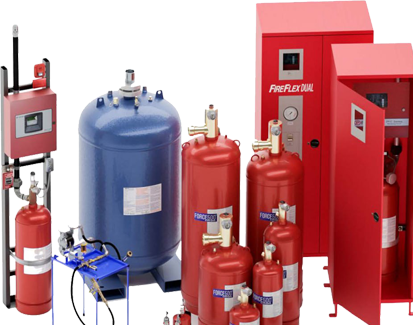
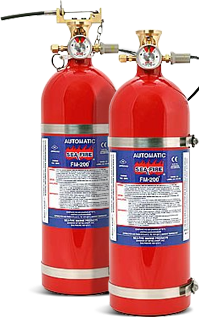
Clean agent suppression systems depend on more than the agent itself. For the system to work properly, the protected room must be able to hold the agent concentration long enough to suppress a fire. That means room integrity is just as important as the cylinders, nozzles, detection, and control equipment .
The problem is that protected rooms often change over time. New cabling, IT upgrades, HVAC modifications, tenant fit-outs, ceiling work, partitions, moved doors, and equipment changes can all affect the enclosure without anyone realizing it. Even a small penetration or airflow change can reduce hold time, alter pressure conditions, or create gaps between the original design and the room's current condition.
Explore further
A practical change-control process helps facility teams, IT teams, project managers, and special hazard service providers protect room integrity before, during, and after work is completed.
Key Takeaways
- Clean agent system performance depends heavily on room integrity and enclosure condition.
- Small changes such as cabling, conduit entries, HVAC adjustments, ceiling work, or moved partitions can affect agent retention and airflow.
- Renovations and fit-outs can change hazard boundaries, pressure relief needs, access routes, and the way agent moves through the space.
- Protected rooms should be identified before work begins so contractors and internal teams understand the fire protection requirements.
- Post-work verification is essential after any modification that may affect seals, penetrations, airflow, or enclosure boundaries.
- A single change-control logbook helps connect room modifications with testing, service history, and future audit requirements.
Why Small Changes Can Break a Well-Designed Protected Room
Clean agent suppression systems have very few failure points. Typically, when an issue arises with an agent not functioning properly or having a decreased level of effectiveness, the problem lies with the room it occupies rather than the mechanism of distribution or the chemical itself.
Renovations, new fit-outs, HVAC modifications, moved doors, and new cabling trays can all turn a room that was ready to accept suppression products into one that is fighting against the suppression tactic. Taking control of your room and ensuring its integrity throughout all these changes is a simple process, but you need to understand the fundamentals that go into enclosure performance.
The Most Common Change Events that Cause Problems
Cabling and IT Work
Innocuous work like running new cables and cutting floor to make new conduit entries and fundamentally alter the nature of your room. Maintaining correct ratios of suppression agent and proper pressures is vital for effective suppression, and this type of IT work can create enough gaps in the room's “shell" to influence these properties.
Renovations and Fit-Outs
Simply moving around machines within a room will change the flow path and create discrepancies between what is designed and what happens when an agent is expelled. Other, more obvious renovation-related problems can include ceiling modifications and the removal or addition of partitions.
Mechanical and Electrical Changes
New equipment changes and ventilation access can both change the plan you need to take when thinking about expressing clean agents into a closed environment.
What Can be Affected Without Anyone Noticing
Changes to the temperament of a room aren't always visible, even to a trained professional. Hold times and overall room integrity need testing to verify, and pressure relief systems may be totally inadequate after a radical change to the format of the room.
People also search
Egress and access conditions may seem obvious, but without mapping out the new layout of a room may remain hidden factors, as may unseen hazard boundaries.
A Practical Change-Control Workflow
Identify Protected Rooms in Advance
Make sure everyone knows which rooms require special hazard protection . Know where they are in the building, what they adjoin, and understand any special characteristics about the room and location.
Review the Changes Before Work Begins
Create a checklist to understand if the work being done may affect one of the following; penetration creation, alteration of airflow, any changes to the hazards boundaries, or having a direct effect on the hazard itself.
Verify and Close Out the Change
Go back over the room after the work is completed to verify seals are still maintained, penetrations are dealt with, and overall room integrity is still in place.
Roles and Responsibilities
Everyone is accountable for maintaining room integrity. Spelling out each role will help in providing a higher level of accountability for each position. Make sure your Facility Lead, IT Team, Project Manager, and Special Hazard Service Provider are all on the same page and fundamentally understand their role in the team.
Common Mistakes that Lead to Failed Retests
The biggest mistake is simply failing to understand that all work done in a special hazards suppression room, even minor changes, has an effect on room integrity. Low voltage work and adding venting without rechecking the airflow can lead to these kinds of mistakes.
Documentation can also lead to delays, including filing improper paperwork, not tracking your changes at all, or being unprepared for planned annual inspections.
Documentation that Supports Change Control
Maintain a single logbook for all room entries involving modifications. Link this to your testing and service history to have a readily accessible source of information for potential auditors.
Case Insight
A tenant moved into a unit and did a complete fit-out to meet the needs of their business, but were unaware of room integrity standards and failed an inspection. After educating themselves with a basic change-control process, they were able to move forward with a passed inspection and get their rooms working.
Final Recommendations and Best Practices
Make sure to identify and clearly label special hazards rooms prior to any renovation. Consider even minor penetrations of alterations to the room's structure as potentially serious changes to airflow. Don't just assume the process worked; use post-work verification and document every single step in the process. Make sure your IT and PM teams understand the underlying issues with room integrity and work within their roles to accomplish it.
Managing frequent changes in clean agent–protected rooms?
Control Fire Systems ltd. helps Canadian facilities protect room integrity through practical change-control guidance, post-work verification, and support for special hazard system readiness.
FAQs
1. Why does room integrity matter for clean agent systems?
Room integrity matters because clean agent systems need the protected space to hold the correct agent concentration for a required period of time. If the room has gaps, unsealed penetrations, or uncontrolled airflow, the agent may escape too quickly and reduce suppression effectiveness.
2. What types of changes can affect a protected room?
Common changes include new cabling, conduit penetrations, IT upgrades, HVAC modifications, ceiling work, partition changes, moved doors, equipment relocation, and tenant fit-outs. Even minor work can affect airflow, sealing, pressure relief, or hazard boundaries.
3. Should IT cabling work be reviewed before it happens in a clean agent room?
Yes. IT cabling work should be reviewed before it begins because new cable trays, floor cuts, wall penetrations, or conduit entries can create gaps in the room envelope and affect clean agent performance.
4. What should be checked after renovations in a protected room?
After renovations, the facility should verify that penetrations are sealed, airflow has not changed unexpectedly, hazard boundaries are still accurate, access and egress remain suitable, and room integrity remains aligned with the original system design.
5. How should facilities document changes to protected rooms?
Facilities should maintain a single change-control logbook for room modifications. The log should include the work performed, affected areas, dates, responsible teams, post-work verification, sealing actions, and any connection to room integrity testing or special hazard system service records.