













Insurance Documentation for Special Hazard Systems: What Underwriters Ask For (and How to Keep Records Audit-Ready)

Key Takeaways
- Insurance documentation for special hazard systems helps underwriters confirm that the fire protection strategy is appropriate, maintained, and manageable from a risk perspective.
- Strong documentation can support smoother renewals, reduce follow-up questions, and help avoid delays after impairments, upgrades, or discharge events.
- Underwriters commonly look for core records such as system inventories, maintenance logs, commissioning packages, impairment records, and corrective action documentation.
- Higher-risk sites and post-incident reviews usually require more detailed evidence, including outage tracking, deficiency close-out proof, and return-to-service documentation.
- An audit-ready binder structure makes it easier to organize records by site, protected zone, event history, and responsible contacts.
- Missing dates, incomplete maintenance records, undocumented room changes, and poor deficiency tracking are some of the most common gaps that trigger insurance questions.
-
The most effective approach is to keep documentation current year-round rather than trying to assemble records only when renewal, audit, or claim activity begins.
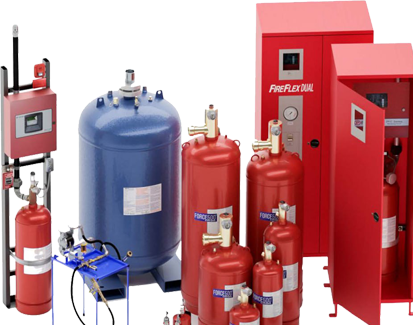
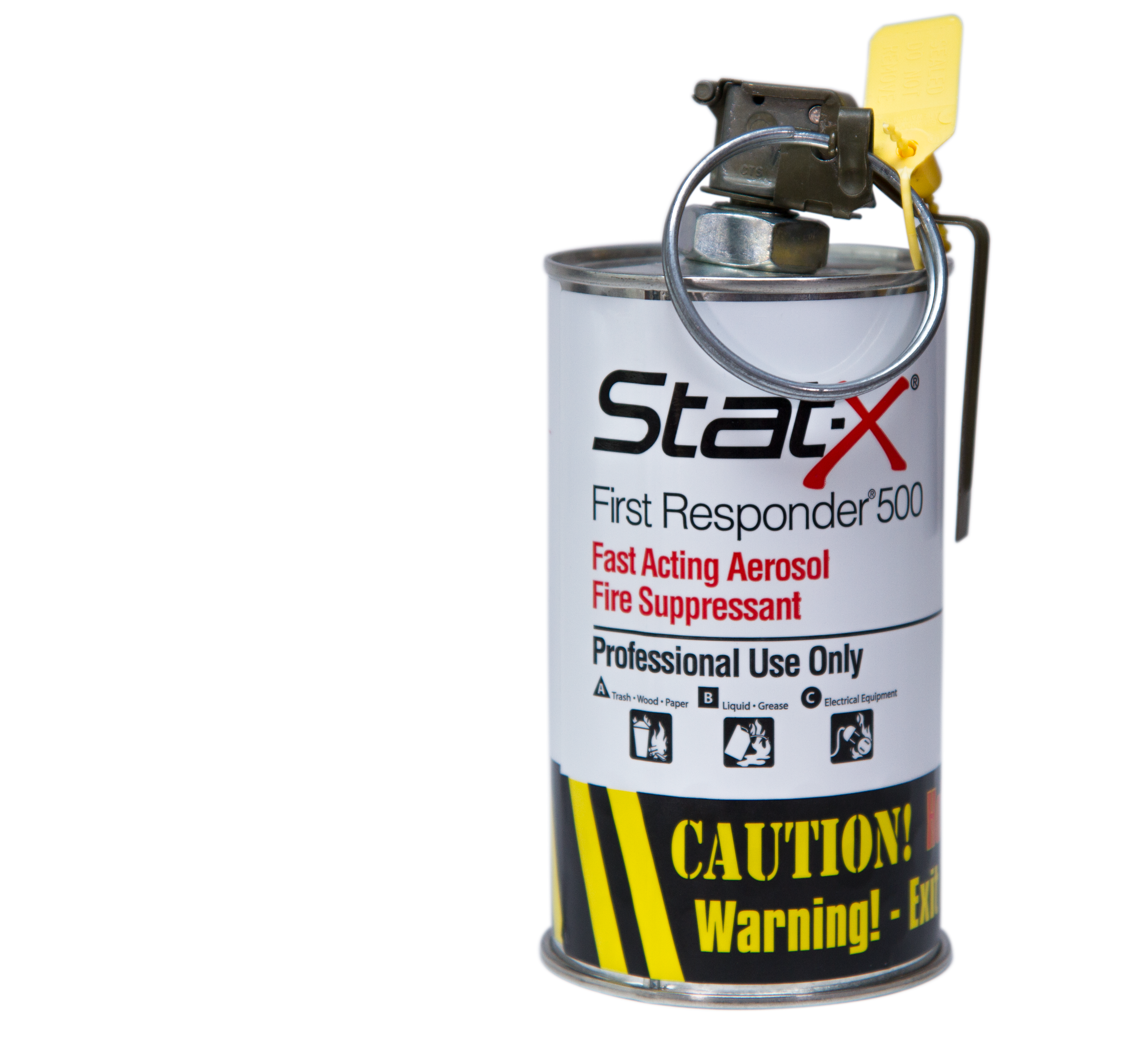
Special hazard fire suppression systems protect some of the most critical and expensive assets in a facility, which is exactly why insurers pay close attention to how those systems are documented. For underwriters, the issue is not just whether a clean agent , inert gas , or aerosol system exists - it is whether the system can be shown to be appropriate for the risk, properly maintained, responsibly managed during impairments, and supported by reliable records.
That is where documentation becomes a practical risk-control tool, not just an administrative task. Even when a system is technically sound, missing maintenance records, incomplete close-out packages, undocumented outages, or weak post-discharge reporting can create unnecessary questions during renewals, underwriting reviews, and claims handling. In contrast, organized and current records help demonstrate that the facility understands its protection responsibilities and can respond effectively when issues arise.
This article explains what underwriters commonly ask for when reviewing special hazard systems, which documents matter most, where facilities often fall short, and how to keep records audit-ready across Canadian sites.
Explore further
Why Insurance Documentation Matters for Special Hazard Systems
Special hazard systems are a vital tool for protecting high-value assets in businesses. These are just the types of resources insurance companies care about, and underwriters will need to not only have the appropriate type of system in place, but the correct paperwork and verification to go along with it.
Even if you properly install your system and provide protection for some of the most expensive property in your business, if the paperwork isn't filed correctly, or if you are sloppy with your documentation, it could lead to higher premiums or delays in getting back to business following a discharge.
What Underwriters Are Actually Trying to Confirm
Insurers are in the business of risk mitigation and aversion. These are the kinds of questions they will typically ask to get to the bottom of things.
Does the system meet the needs of the potential risk?
Can it be tested and properly maintained with the available resources?
Is the business able to control, document, and manage an impairment?
Is the system in immediate working order?
People also search
Is the paperwork in place to demonstrate all the above?
The Core Documents Underwriters Commonly Request
System Inventory and Asset Register
A thorough inventory will help an insurer understand you are on top of things. You should already have a complete list of protected zones, cylinder counts and types, and key components. Put these into a single file for your insurer to review.
Inspection, Testing, and Maintenance Records
Make sure your testing, maintenance, and log books are all up to date and readily accessible by your underwriter.
Commissioning and Close-Out Package (for New or Upgraded Systems)
For all new work done, make sure you have the proper paperwork and documentation to prove everything was done the right way the first time.
Documentation Underwriters Ask For When Risk Is High (or When Something Happened)
Impairment Logs and Outage Management Records
Once you have an event and a discharge, documentation gets even more important. Insurers will look to make sure you have logged all your event and impairment times to make sure each procedure was followed correctly.
Deficiency Reports and Corrective Action Evidence
Underwriters will also want proof that the case was closed on every event. Have close-out confirmation ready and on hand.
Post-Discharge Documentation (If a Release Occurred)
When a release occurs, proper timeline verification is necessary. A report of the incident itself, along with re-entry guidelines, venting steps, and your return-to-service time are important items to note.
The "Audit-Ready Binder" Structure (A Simple System That Works)
One Binder Per Site (Digital or Physical)
Keep things consistent across the board to avoid confusion. Use the checklist below for for each room and compartment to avoid muddling the waters with different systems.
- System inventory + drawings overview
- Inspection/maintenance reports (chronological)
- Impairment logs + interim measures
- Deficiency tracking + close-out proofs
- Discharge events (if any) + return-to-service records
- Contacts, service providers, and escalation procedures
Minimum Data Fields That Save You During Renewals
These are points of data that, if missing, will absolutely flag you and cause headaches. Dates and times, zones, the names of people performing maintenance, corrective actions taken, and back-in-service dates.
Common Documentation Gaps That Trigger Insurance Questions
Keep your records central and accessible. Trying to track down documentation across a decentralized system will be a nightmare and cause all manner of problems. Even if your system has been fixed and is operating well, missing the proof that the work was done will leave you exposed.
This also applies to impairments. Even short offline periods need to be diligently documented. Inventory and room changes likewise need to be written down, and if your new install doesn't have close-out confirmation you might be in trouble.
Best Practices to Stay Audit-Ready Year-Round
Align Documentation With Your Maintenance Calendar
Maintenance and documentation go hand in hand. Plan out your months and years of maintenance and include your paperwork with them.
Use a Deficiency-to-Close Workflow
Date, work order, and closure proof should be used for every period of deficiency. This creates an easy to follow system of managing documentation.
Capture "Change Events" Immediately
Don't wait to record work. Immediately document all room changes and renovations to avoid further delays.
Case Insight (Example)
A Canadian facility faced an insurance renewal review after a tenant changed penetrations in a protected electrical room. Because the facility maintained an audit-ready documentation set, complete with inventory, inspection history, impairment logs, and corrective actions, the underwriter confirmed the acceptable risk control without delays. The renewal proceeded smoothly and the site avoided additional delays.
Final Recommendations & Best Practices
Consider what an underwriter needs to finish their side of the job. Provide them with proof that your system is up and running and is working by having a centralized binder and log. Always track impairments and deficiencies by documenting clear start and stop time. Keep up to date records of any changes to the room, equipment, or layout to avoid additional issues during an audit.
FAQ
1. Why do underwriters ask for documentation on special hazard fire suppression systems?
Underwriters use documentation to verify that the system is appropriate for the hazard, maintained over time, and supported by a facility that can manage impairments, deficiencies, and incidents responsibly. The records help them assess whether the risk is being controlled in a consistent and defensible way.
2. What core documents do insurers usually request for special hazard systems?
Common requests include a system inventory, protected zone details, equipment records, inspection and maintenance history, commissioning or close-out documentation for newer systems, and evidence that the system is currently in service. These records help show that the protection strategy is both real and traceable.
3. What additional records might underwriters ask for after an impairment or discharge?
If a system has been impaired or has discharged, underwriters often want more detailed documentation. That can include impairment logs, outage timelines, interim protection measures, deficiency reports, corrective action records, post-discharge incident summaries, and documentation showing when and how the system was returned to service.
4. What is an audit-ready binder for a special hazard system?
An audit-ready binder is a structured record set - physical or digital - that keeps all key fire suppression documentation organized in one place for a site or protected area. It typically includes inventory and drawings, maintenance history, impairment logs, deficiency tracking, discharge records, and service or escalation contacts so that important information can be produced quickly during a review.
5. What documentation gaps most often create problems during insurance review?
Some of the most common issues include missing maintenance dates, incomplete logs, undocumented room or equipment changes, lack of close-out proof for deficiencies, poor impairment tracking, and records scattered across multiple teams or vendors. Even if the system itself is fine, weak documentation can still raise concerns for an insurer.
6. How often should facilities update their insurance documentation for fire suppression systems?
Documentation should be updated continuously as maintenance, inspections, deficiencies, changes, or incidents occur. Waiting until renewal time often creates unnecessary stress and increases the chance that important records will be incomplete, outdated, or difficult to verify.
7. How can a facility stay audit-ready year-round?
The best approach is to tie documentation directly to regular maintenance and operational workflows. Facilities should keep records centralized, log impairments and corrective actions immediately, track room or equipment changes as they happen, and maintain a simple deficiency-to-close process so every issue has a clear record from discovery through resolution.
Want an audit-ready documentation package for your special hazard fire suppression systems?
Control Fire Systems Ltd. helps Canadian facilities organize and maintain insurance- and inspection-ready records - covering maintenance history, impairment tracking, deficiency close-out, and return-to-service documentation - so renewals are smoother and risk is clearly defensible.