













Fire Protection for Control Rooms and Automation Rooms in Industrial Facilities
Control rooms and automation rooms in industrial facilities contain the systems that keep critical operations running. PLCs, SCADA equipment, industrial control panels, network infrastructure, and process automation systems are often essential to production, utilities, manufacturing, and infrastructure. A fire in one of these spaces can result in extended downtime, equipment replacement costs, production losses, and safety risks that far exceed the damage caused by the fire itself.
Because these environments contain sensitive electronics and process-critical equipment, traditional fire protection approaches are not always appropriate. Effective protection requires a coordinated strategy that combines early detection, the right suppression technology, HVAC integration, room integrity, and proper documentation. Planning these systems together helps facilities reduce operational risk while meeting applicable Canadian codes and NFPA requirements.
Explore further
Key Takeaways
- Control rooms and automation rooms require fire protection designed specifically for sensitive electronic equipment.
- Electrical faults, overheating equipment, damaged cabling, and dust accumulation are common fire risks in industrial control spaces.
- Clean agent, inert gas, and pre-action systems each offer different advantages depending on the room and operational requirements.
- Early warning detection, including aspirating smoke detection where appropriate, helps identify fire conditions before significant damage occurs.
- HVAC shutdown, enclosure integrity, and pressure relief are essential for clean agent system performance.
- Fire protection systems should integrate with process controls, emergency shutdowns, and fire alarm systems where appropriate.
- Regular inspections, updated drawings, and accurate documentation help maintain compliance and ensure system reliability after renovations or equipment upgrades.
Why Control Rooms and Automation Rooms Need Dedicated Fire Protection Planning
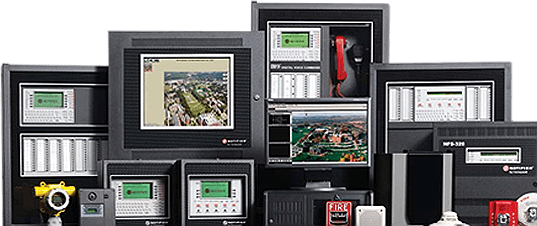
Control rooms that rely on heavy-duty automation devices contain equipment that is not only specialized in its use, but also in the needs required to protect them from the threat of fire.
Programmable Logic Control panels (PLCs) and Supervisory and Data Acquisition processors (SCADA) are extremely complicated, and extremely sensitive, pieces of electronic equipment. Failing to adequately protect these vital assets can lead to significant periods of downtime and loss of business.
Slow response, or the incorrect choice of suppression material, can have devastating financial consequences if the machinery needs to be replaced.
Common Fire Risks in Industrial Control and Automation Spaces
High-tech spaces like automation rooms carry significant risk from their components. Electrical faults, overheating components, and faulty cabling are common sources of ignition.
Less obvious sources of fire can be avoided by proper upkeep, like dust collection in and around heated cabinets. Any renovations done around the equipment can also carry significant hazards for room penetration.
Suppression Options for Sensitive Industrial Control Equipment
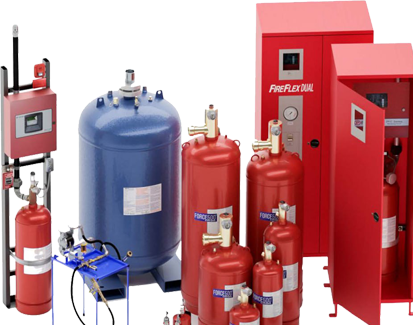
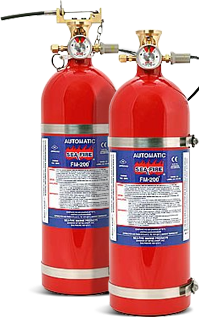
Clean Agent Systems
Residue free agents like FK-5-1-12 are preferred for these assets to avoid further downtime from damage caused not by the fire, but by the suppression system itself.
Pre-Action Sprinkler Systems
Pre-action sprinkler systems can be used to utilize a water-based system with a lower risk of accidental discharge and damage to the machinery.
People also search
Inert Gas or Other Special Hazard Options
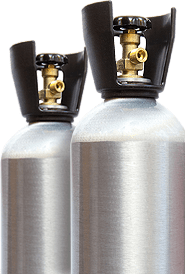
Inert gas systems can displace oxygen and deprive a fire of a critical piece of the fire triangle. When looking to protect large, complex rooms, engineering and inspection reports should be thoroughly run to maintain the safety of the room.
Detection Strategy: Why Early Warning Matters
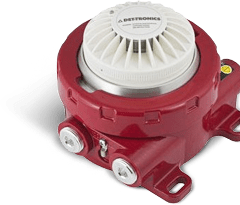
Early detection is vital for clean agent suppression systems; waiting for the fire to grow creates damage, downtime, and a much bigger headache. Having early detection in place in the form of smoke and heat detection, as well as investing in aspirating smoke detection for airflow sensitive rooms ensures the proper, rapid deployment of your clean agents.
HVAC Shutdown, Room Integrity, and Pressure Relief
Room integrity is vital for clean agent success. A leaky room, or a room without the proper HVAC integration, will not allow the agent to saturate the room properly. Cable insertions and undocumented renovations and alterations are classic examples of how otherwise sufficient room integrity can be quickly ruined.
Integration With Process Controls and Emergency Response
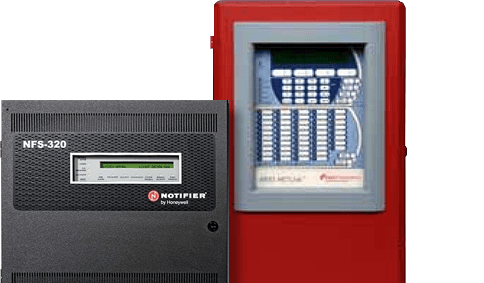
Some systems cannot be shut down in the event of a fire as they are too vital to the ongoing operation. Other systems should be tied into a control panel to de-energize them in the event of fire and subsequent suppression expulsion. Emergency power also needs to be tied into this system to keep other operations running, as well as immediate notification of emergency response systems.
Documentation and Inspection Requirements Facility Teams Should Maintain
Roof and room layout drawings and details should be rigorously documented, along with fire alarm and panel records. Keep these records in an easily accessible location in case of inspection or audit.
Case Insight
An industrial facility upgraded its automation panel inside a protected control room. New conduit penetrations and cable trays were added, but the fire protection records were not updated. During inspection, the team identified room integrity issues that could affect clean agent hold time. Having addressed the penetrations and providing updates to the documentation protected both compliance and business continuity.
Final Recommendations & Best Practices
Control rooms are critical assets that must be protected from both fire and the act of suppressing the fire. Choose your specific clean agent system based on the specific assets and room type you have to project, and don't rely on a "one size fits all" approach. Early detection and HVAC systems should be thoroughly engineered and fitted out to work with your room's suppression activation.
Need fire protection planning for an industrial control room or automation room?
Control Fire Systems ltd. helps Canadian facilities evaluate detection, suppression, HVAC shutdown, and documentation requirements for process-critical special hazard spaces.
Frequently Asked Questions
Why do control rooms require dedicated fire protection?
Control rooms contain critical equipment that supports industrial processes and business operations. Standard sprinkler systems may not provide the most appropriate protection for sensitive electronics, making specialized fire suppression systems and coordinated system design important for reducing downtime and equipment damage.
What type of fire suppression system is commonly used in automation rooms?
Many automation rooms use clean agent fire suppression because it extinguishes fires without leaving residue on sensitive equipment. Depending on the facility's risk assessment, inert gas systems, pre-action sprinklers, or other special hazard systems may also be appropriate.
What are the most common fire risks in industrial control rooms?
Typical fire hazards include electrical failures, overloaded equipment, overheating components, damaged wiring, dust accumulation, power supply failures, and maintenance or renovation activities that introduce new ignition risks or compromise room integrity.
Why is early smoke detection important in automation rooms?
Early detection allows facility teams to respond before a fire grows large enough to damage critical equipment. In high-airflow environments, aspirating smoke detection can identify developing fire conditions earlier than conventional spot detectors.
How does HVAC affect clean agent fire suppression?
Clean agent systems depend on maintaining the proper agent concentration within the protected enclosure. HVAC systems, dampers, and ventilation controls must operate according to the designed sequence to prevent the suppression agent from escaping before the fire is extinguished.
What documentation should facility teams maintain?
Facilities should keep current system drawings, fire alarm records, inspection reports, maintenance records, room integrity documentation, HVAC sequence information, and records of any room modifications or equipment upgrades that could affect fire protection performance.
What should be reviewed after equipment upgrades or renovations?
Any changes involving new control panels, cable trays, conduit penetrations, HVAC modifications, or room layout should trigger a review of the fire protection system. Updating enclosure integrity, documentation, and system programming helps ensure the suppression system continues to perform as designed and remains compliant with applicable standards.