













Fire Protection for Battery Rooms Inside Commercial and Industrial Buildings (Not Utility-Scale BESS
Why Internal Battery Rooms Present a Unique Fire Risk
Batteries are a still-growing technology, and their use in business applications is increasing.
While large scale BESS systems are becoming more and more common, this article deals with smaller, localized battery rooms used in telecom and some industrial backup. These battery rooms are stored inside buildings and pose a significant fire hazard. Beyond being a hazard, the thermal runaway and offgassing , along with the delicacy of the products themselves, along with the innate inability of fire systems to completely extinguish lithium ion battery fires, make suppression tactics a more complex process than dumping water onto them.
Explore further
Common Types of Battery Rooms Covered
UPS Battery Rooms
UPS battery rooms (uninterrupted power source) are used in all kinds of locations that require constant power. Hospitals, data centers , and commercial buildings where having power is essential are common places to find these.
Telecom and Network Backup Battery Rooms
Backup rooms are often tucked away in small, otherwise unused areas with poor ventilation. The continuous load and lack of ventilation can create a substantial risk.
Industrial Backup Battery Installations
Wired industrial facilities always need backups in place, particularly when it comes to supporting safety equipment. Battery rooms and banks are common features of these facilities.
Key Fire Hazards in Battery Rooms
Thermal Runaway
Batteries have a cell structure which creates an extremely efficient power supply. However, if only a single cell has a small flame, an effect called “thermal runaway” will be imminent, meaning that this small flame will jump from cell to cell and quickly conflagrate the entire bank.
Flammable and Toxic Gases
Off-gassing is another huge safety issue when it comes to batteries of all kinds. Not only are the gases toxic to humans who may inhale them, many of them are extremely flammable, even to the point where it can lead to serious explosions.
Electrical Ignition Sources
Per the NFPA, roughly 10% of all commercial fires are electrical in nature. Cables, chargers, and other heat sources all create major fire hazards. Electrical shorts and poor wiring can both set off sparks that ignite nearby batteries.
Detection Considerations for Battery Rooms
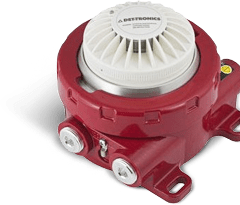
Early detection systems are essential for battery rooms. Convention smoke detectors may be too slow to detect the incipient flames in battery cells. Air sampling and aspiration is much faster, and can help set off the proper suppression material.
People also search
Gas detection is also an excellent choice in small areas. The earlier the system can detect a burgeoning fire, the sooner the problem can be dealt with. The Li-ion Tamer battery rack monitoring system is an excellent choice for this important early detection.
Special Hazard Fire Suppression Options for Battery Rooms
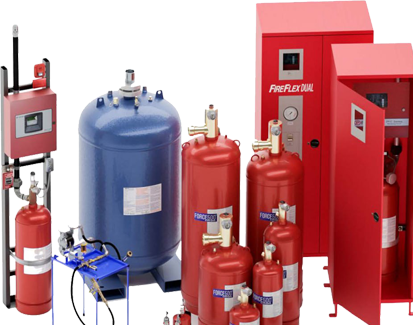
Clean Agent Systems
Water, widely used in conventional Class A fires, is a poor choice for battery rooms. It is ineffective at dealing with thermal runaway, and it may also cause more damage to the battery room than the actual fire itself.
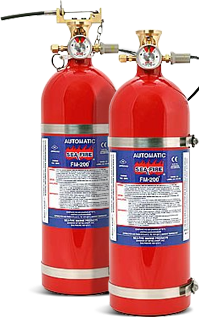
Clean agents like FK-5-1-12 are a popular alternative to water for special hazards rooms of all kinds, and can effectively deal with the surface fire in battery rooms without damaging surrounding equipment.
Inert Gas Systems
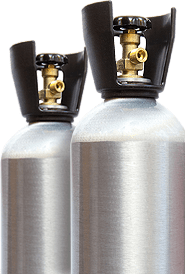
In unmanned rooms, an oxygen reducing system can be appropriate for dealing with battery room fires. Blends of argon and nitrogen leave no residue, will not damage sensitive equipment, and quickly snuff out a fire’s source of oxygen.
Aerosol Fire Suppression
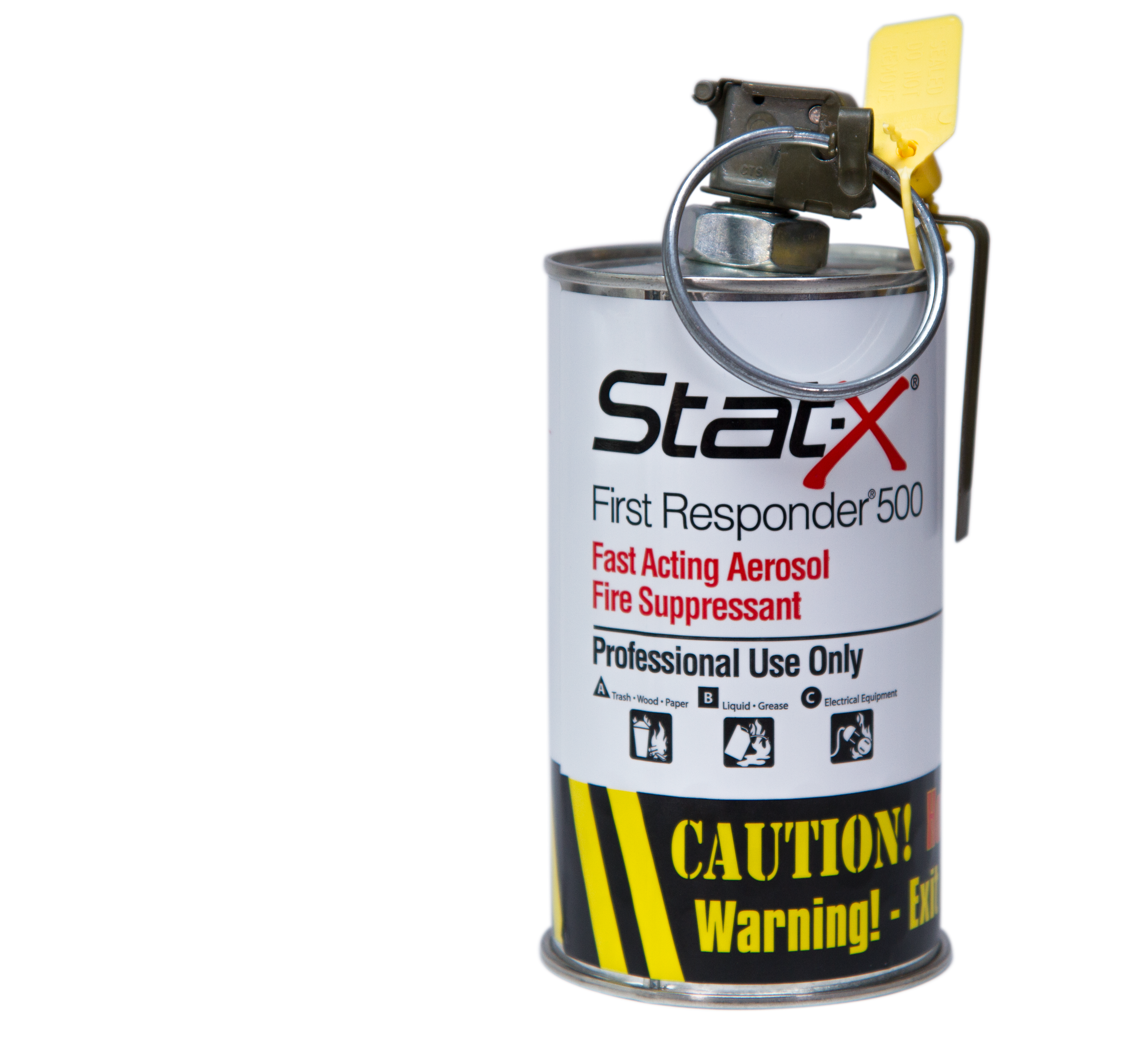
Aerosol canisters, like StatX , are a popular choice for smaller, confined areas. They are completely unmanned, can fit into cabinets and compartments, and require minimal maintenance.
Ventilation and Enclosure Considerations
Ventilation is important in battery rooms for several reasons; cooling and the disbursement of gases being key. However, if clean agents are used, the room must be sealed up to ensure their efficacy.
Being able to control the venting as part of an automatic system will promote suppression efficacy and keep the entire room safer. It is important to not ignore ventilation as part of the total-system suppression plan you have in place.
Inspection, Testing, and Ongoing Maintenance
Routine Inspection Expectations
Standard inspection and testing procedures need to be strictly adhered to for system integrity and safety. Cylinders need to be inspected and tested per regulations laid out in NFPA 11.6.2, which necessitates a revolving inspection process to be completed at least every 5 years for the entire duration of the cylinder’s service.
Changes That Trigger Re-Evaluation
Any change in your battery room requires an appropriate alteration to the system design. Total fire load, room layout, and battery chemistry changes (don’t assume all batteries are the same) require different setups.
Documentation and Compliance
Fire safety is an extremely important part of your business, but so is appropriate documentation of your efforts. Make sure you keep on top of your AHJ and insurance company’s requirements and always keep strict records.
Common Mistakes in Battery Room Fire Protection
Many businesses have high-tech assets onsite, but don’t assume a battery room is the same as a server room or data center. Thermal runaway and dangerous off-gassing pose unique problems other pieces of technology won’t present.
Batteries of all kinds can cause major headaches if fires do occur. Even small cabinets and rooms need dedicated suppression designs to protect your entire facility from damage. These rooms can’t be ventilated like normal rooms either; remember the specific threats batteries present.
When fire departments are called in to deal with runaway lithium ion fires, water is used to cool the room, but it will not act as an extinguishing agent. Many departments still lack the resources to effectively deal with the complexities of battery fires, leaving it up to you to safeguard your equipment.
Keeping up to date with battery technology can be hard, and it’s important to keep in mind that advances in battery chemistry may necessitate commensurate changes in suppression tactics.
Case Insight (Example)
A commercial facility upgraded its uninterruptible power supply with new batteries and ran into a compliance review problem. The new technology hadn’t been immediately accounted for. Professionals were quickly contacted and a clean agent system was designed and installed. The business restored its protection standards and was able to continue on with business as usual.
Final Recommendations & Best Practices
Internal battery rooms are not the same things as large-scale BESS battery structures, but they present many of the same suppression challenges. Special hazard suppression systems that protect more common electronics may work, but the unique threats of batteries need to be understood. Of these, specific ventilation setups are among the most common challenges vs. a server room. Also, keeping up to date with modern technology may be the greatest hurdle of all, as new batteries may require new suppression setups.
Protect Your Battery Rooms With the Right Fire Suppression Strategy.
Control Fire Systems Ltd. designs, installs, and maintains
special hazard fire suppression systems for UPS, telecom, and industrial battery rooms across Canada.