













Clean Agent Cylinder Weight Loss Troubleshooting: The Practical Leak-Check Guide (Valves, Supervisory Pressure, Micro-Leaks)
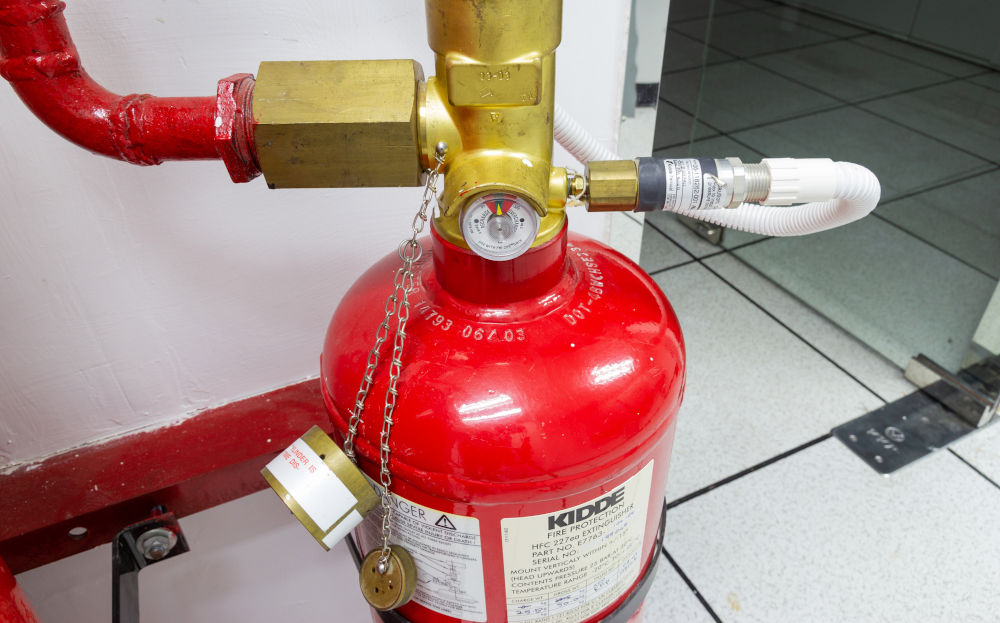
Clean agent cylinders can lose pressure or agent slowly over time, and even a small loss can affect the readiness of a special hazard fire suppression system . In many facilities, these issues are first noticed during routine inspection , when cylinder weights, pressure readings, or service records no longer match the expected baseline.
Not every discrepancy means there is a major leak, but every repeated loss should be taken seriously. The issue may involve a real agent leak, a valve or fitting problem, supervisory pressure confusion, or even a record-keeping error. A structured troubleshooting process helps facility teams avoid assumptions, confirm the facts, and know when to escalate the issue to a qualified technician.
Explore further
This guide explains where clean agent cylinder leaks often occur, how to approach weight loss checks, and why documentation matters for long-term system reliability.
Key Takeaways
- Small clean agent cylinder losses can reduce fire suppression system readiness and may create protection gaps if they are not addressed.
- Weight loss can indicate real agent loss, but it may also come from incorrect baselines, outdated labels, documentation errors, or supervisory pressure confusion.
- Common leak points include valves, fittings, discharge heads, release heads, actuators, threaded connections, pressure switches, seals, and the cylinder neck.
- Pressure readings should not be used alone to decide whether a cylinder has lost agent or needs service.
- Repeated weight loss trends, damaged components, or unresolved supervisory issues should be escalated to a qualified fire suppression technician.
Why Small Cylinder Losses Matter
Seemingly right cylinders can slowly lose pressure, and therefore product, over time, gradually reducing the effectiveness of the suppression system. Small leaks can cause big gaps in protection and readiness, which ultimately can have an adverse effect on downtime and create possible impairments if not discovered in time.
Use this practical guide to managing cylinder leakage to understand the fundamentals of the problems and how simple solutions can lead to long-term fixes.
What Weight Loss Usually Means
Real Agent Loss
Microleaks occur around valves, fittings, and discharge heads, as well as around broken or corroded pieces. Regular, scheduled inspection can help detect these small physical flaws in the cylinder itself.
Pressure / Supervisory Issues
Issues with pressure can sometimes come down to monitoring issues rather than any other underlying problems. Poor monitoring and documentation of inspection can help to avoid this.
Service and Record-Keeping Errors
Incorrectly documenting baseline weights or leaving outdated labels on cylinders can make it look like a problem exists where there really is none.
The Most Common Leak Points to Check First
Moving parts, connections, and the most heavily used components of a cylinder are the pieces that fail, and leak, first. Valve assemblies , release heads, actuators, and pressure switches are likely places to find small leaks.
People also search
Anywhere a cylinder has a threaded connection, such as on an adapter or head, are also key places to inspect for a possible leak. Also be sure to check the neck of the cylinder for wear, and anywhere a seal has been applied.
Practical Leak-Check Workflow
Confirm the Baseline
Go back to basics and verify that you have a discrepancy between your true baseline and the reading you took indicative of a leak. Confirm you have the proper cylinder and all the dates and times match.
Inspect for the Obvious
Give the cylinder a quick once over to look for any easily spotted damage. More often than not, this will tell you what the problem is. Look for loose caps (or even missing caps), signs of tampering, and note any odd markings or indications of abuse.
Escalate Methodically
If you can't diagnose the problem with a visual inspection, go up the ladder and bring in a technician to examine your bottle. Don't rely on your own assumptions in these cases; let the professional examine the cylinder more thoroughly.
When Supervisory Pressure Creates Confusion
Pressure monitoring can let you know you have a possible leak, but it doesn't mean there is absolutely a leak. While you might have an indicator of a leak, such as low cylinder pressure, it is important to understand this does not absolutely mean you have a leak, and may be a symptom of user-error, incorrect documentation, or other interpretive mistake.
Common Troubleshooting Mistakes
Assuming anything, such as how full or empty a cylinder is, based solely on a pressure reading is the most common error. Don't fall into the trap of "topping up" a cylinder just because you find a low pressure reading; there may be other factors at play.
It may be that the baseline you are comparing your findings to is simply incorrect, mislabelled, or out of date. Don't assume small losses are nothing to worry about, especially if they continue in a repeatable fashion. Take charge of the issue immediately. Without documenting everything you find and do, the next person in line might make the very same mistake.
When to Escalate and Issue
Whenever you have repeated trends in weight loss, an expert should be called to come investigate. Similarly, your facility likely doesn't have the resources to repair damaged parts; this is a job for a technician.
Any obvious dereliction of supervisory issues, or safety issues within a room, need to be addressed immediately. This is the only action that will resolve your issues.
Case Insight
An electrical room has cylinders hooked into the suppression system, and for several inspection cycles in a row has shown a discrepancy in the clean agent records. Performing a thorough leak inspection verified a small leak was present, and steps were immediately taken to bring in a professional to correct the mistake.
Final Recommendation and Best Practices
Treat weight loss, especially repeated weight loss findings, as an early indicator of a possible leak. Verify these numbers with your records to ensure you are not getting a false positive reading, then inspect for common leak points and obvious damage to the cylinder. Escalate the situation to a technician for further testing and repair, and document the entire process from start to finish to avoid false readings in the future.
Seeing unexplained weight or pressure issues in your clean agent cylinders?
Control Fire Systems ltd. helps Canadian facilities troubleshoot agent loss, identify likely leak sources, and restore special hazard systems to a documented, inspection-ready condition.
FAQs
1. What does clean agent cylinder weight loss usually mean?
Clean agent cylinder weight loss may indicate real agent loss from a leak, but it can also result from incorrect baseline records, outdated labels, inspection errors, or confusion between pressure readings and actual agent quantity.
2. Where do clean agent cylinder leaks usually happen?
Leaks often occur around valve assemblies, fittings, discharge heads, release heads, actuators, pressure switches, threaded connections, seals, and the cylinder neck. These areas should be checked first during troubleshooting.
3. Does low supervisory pressure always mean the cylinder is leaking?
No. Low supervisory pressure may indicate a possible issue, but it does not always confirm a leak. The reading should be checked against cylinder weight, inspection history, baseline records, and system documentation before any service decision is made.
4. Should a clean agent cylinder be topped up after a low pressure reading?
No. A cylinder should not be topped up based only on a low pressure reading. The cause should be verified first because the issue may involve documentation, monitoring, temperature, or another supervisory problem rather than actual agent loss.
5. When should clean agent cylinder weight loss be escalated to a technician?
Weight loss should be escalated when it appears repeatedly across inspection cycles, when visible damage is found, when a likely leak point is identified, or when supervisory pressure issues cannot be resolved through basic verification and documentation review.