













Accidental Clean Agent Discharge: Common Causes, Costs, and Prevention
Accidental clean agent discharges can result from construction and maintenance work near detectors, dirty or damaged detectors, unguarded manual release stations, panel programming errors, or systems left armed during service. Direct costs include agent replacement, cylinder testing, and recommissioning. Downtime can add substantially to the total, depending on the facility and the length of the interruption.
If your system has already discharged, start with the 24-hour steps below. If you’re planning work in a protected room, the causes and controls sections show how an accidental fire suppression system discharge happens and how to reduce the risk. We use Ontario’s codes as the example; readers elsewhere should check their own fire code.
Explore further
Key takeaways
- Common causes include construction dust, dirty detectors, mistaken pulls at release stations, panel programming errors, and live releasing circuits during service.
- Have a qualified technician isolate the releasing circuit before work that could trigger the system, following the site’s impairment procedure.
- After a discharge, record the panel log before anyone resets the panel.
- Agent, cylinder testing, recommissioning, cleanup, and downtime drive the cost.
- Correctly configured cross-zoned release logic prevents one detector alarm from initiating automatic agent release on its own.
Nine steps to take in the first 24 hours after a discharge
- Get everyone out. Ventilate when your site procedure says to, following the agent’s safety data sheet .
- Keep people out until a competent person confirms the room is safe to re-enter.
- Leave the panel as it is, and don’t reset it until someone records the cause.
- Download or photograph the panel’s event log.
- Photograph detectors, release stations, cylinders, and actuators before anyone moves them.
- Tag the system as impaired, record the time it went out of service, and start your impairment procedure ( NFPA 2001, Chapter 12 ).
- Notify the fire department, building occupants, and supervisory staff that the system is out of service ( Ontario Fire Code, Div. B, 6.8.1.1(3) ), then call your monitoring company and insurer.
- Book the refill, cylinder testing, and recommissioning with a qualified fire protection contractor. If the system provides the room’s primary protection and will be out for more than 10 hours in a 24-hour period, NFPA 2001’s impairment rules may call for evacuation, an approved fire watch, or an approved program to control ignition sources (12.4.3, 12.5).
- Check whether halocarbon release reporting applies to your system. Federal reporting obligations may apply if the federal government, a Crown corporation, or a federal work or undertaking owns the system, or if it sits on federal or Indigenous lands ( Federal Halocarbon Regulations information ).
An accidental discharge is an agent release with no fire behind it
An accidental discharge, also called an unwanted discharge, is a release of clean agent when there’s no fire. Some facility teams call it a fire suppression system false discharge. In a false alarm, detectors or a pull station set off the alarms, but no agent leaves the cylinders. Warning devices inside a protected room sound when the first detector operates ( CAN/ULC-S524:2019, 52.4.2 ), so an alarm on its own doesn’t mean the agent has left the cylinders.
Common causes of accidental clean agent discharge
| Cause | Typical trigger | Preventive control |
|---|---|---|
| Construction and maintenance work | Dust, drilling, or cable pulling near detectors | Isolate releasing circuits and cover detectors before work |
| Detector contamination | Dust, humidity, steam, or exhaust in the protected space | Scheduled cleaning, correct detector type and placement |
| Manual release station misuse | Unguarded or unlabelled station activated in error | Fit guards, label clearly, brief occupants |
| Single-detector release logic | One detector in alarm releases the agent | Cross-zoned release logic |
| Panel programming or wiring error | Incorrect zone or output configuration after a change | Verification after any control unit modification |
| System left armed during service | Releasing circuit not isolated during testing | Written impairment and lockout procedure |
| Cylinder or actuator handling | Actuator or safety cap mishandled during transport | Trained handling, caps in place until commissioning |
| Environmental and mechanical shock | Vibration, seismic movement, or physical impact | Correct mounting, bracing, and physical protection |
Dust, drilling, and cable work near detectors can set off a release
Construction, maintenance, and cleaning work puts dust and vibration where detectors sit. Because this work is usually scheduled, the risk can be addressed before it starts. NFPA 2001 specifies a disconnect switch for electrically actuated systems to help prevent unwanted discharge during service (9.8.1). Drilling into a ceiling, sanding drywall, or pulling cable through a tray can set off a smoke detector. If the releasing circuit is still live, that alarm can start the discharge sequence. Before a contractor starts, have a qualified technician isolate the releasing circuit using the approved disconnect, record the impairment, and arrange any required temporary protection. Use manufacturer-approved detector covers where appropriate. When the work ends, remove the covers and have the technician check the affected devices, restore the circuit, and confirm normal operation.
Dust, steam, and exhaust can push a detector into alarm
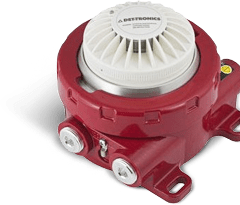
Smoke detectors can respond to dust, steam, or exhaust as well as smoke. If nuisance signals satisfy the programmed release sequence, they can trigger a discharge from a clean agent system, including one using FK-5-1-12 or FM-200. Rooms near loading docks, kitchens, or humid mechanical spaces need detectors chosen and placed for those conditions. Have a qualified technician review detector type, placement, and contamination before considering sensitivity changes. Reducing sensitivity simply to quiet nuisance alarms can delay detection of a real fire (NFPA 2001, A.7.5.1). Dirt accumulation can affect detector performance. CAN/ULC-S536 sets requirements for smoke detector cleanliness checks and sensitivity testing as part of the fire alarm inspection program. Units that stay out of range after cleaning need to be replaced (14.4.1).
Unmarked or unguarded release stations get pulled by mistake
Someone looking for a door release or a light switch can pull a manual release station by mistake, especially one that looks like a fire alarm pull station. Canada’s installation standard requires suppression release stations to look different from, and be a different colour than, the building’s fire alarm pull stations ( CAN/ULC-S524:2019, 52.5.2 ). NFPA 2001 , the standard Ontario’s Fire Code references for clean agent systems, requires manual releases to be accessible and recognizable for their purpose (9.3.5, 9.3.6). Protective covers, clearly worded labels, and a short briefing for staff who work in the room all lower the chance of a mistaken pull.
Cross-zoned release logic stops one detector from releasing the agent alone
In a cross-zoned fire suppression design, automatic release requires qualifying alarm signals from two detection zones or circuits, as defined by the approved sequence of operation. A single detector alarm starts the first-stage response without initiating automatic agent release on its own. Manual release functions may follow a different sequence. Cross-zoning therefore addresses single-detector nuisance alarms, but does not eliminate every cause of unwanted discharge. CAN/ULC-S524 describes cross-zone, counting zone, and priority matrix release as common practice ( 52.2.1, A.52.2.1 ). The panel’s sequence of operation has to match the suppression system’s codes and standards (52.6.5), so check every programming change before the system goes back in service. In a preaction sprinkler system, “double interlock” means something else: water enters the pipes only after detection and an open sprinkler ( FM Global Data Sheet 5-32 ).
Systems left armed during testing or contractor work can discharge
Testing a detector or working on the panel with the releasing circuit live can cause an accidental fire suppression system discharge. NFPA 2001 requires a supervised, listed disconnect switch to avoid unwanted discharge, and doesn’t accept disarming the release through software alone (9.8.1, 9.8.4). CAN/ULC-S524 requires a physical disconnect on each releasing panel so technicians can test without actuating the system, and using it shows a supervisory signal on the building fire alarm system (52.6.4). FM Global’s insurer guidance adds keyed lockout and written impairment procedures ( Data Sheet 4-9, 2.2.6.4 ). Ontario’s Fire Code also requires notifying the fire department and occupants whenever someone shuts down a suppression system ( Div. B, 6.8.1.1(3) ).
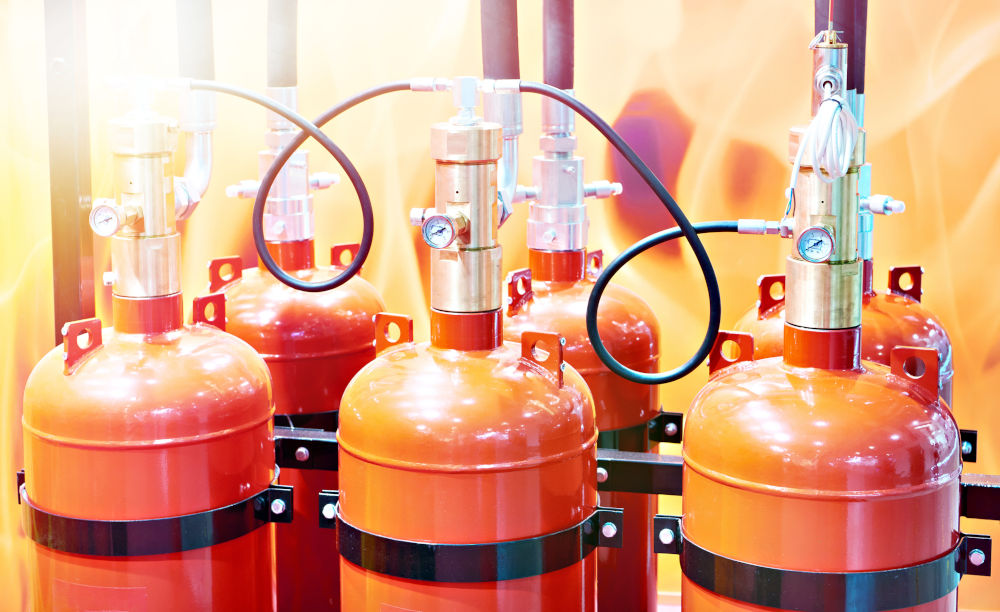
Cylinder actuators can fire if mishandled in transport or installation
Actuators open the cylinder valves, so a knock or a mishandled actuator can release the agent. Keep safety caps and actuator protection in place during transport, and leave them on until commissioning. NFPA 2001 calls for safe procedures during installation, servicing, testing, handling, and recharging (10.1). It also requires checking agent quantity and pressure at least twice a year, with a refill or replacement when a container has lost more than the allowed amount (11.3). These checks can identify pressure or agent loss; a discharge requires prompt assessment even if some agent remains in the container. Either way, a cylinder past its requalification date needs testing before recharge (11.6.1).
People also search
Agent, cylinders, recommissioning, and downtime drive the cost
The bill after an accidental discharge covers restoring the system and recovering the room. The clean agent refill cost depends on the agent, the amount, and site access. For example, refilling after an FM-200 accidental discharge depends on how much HFC-227ea (sold as FM-200) the cylinders held.
In rooms with spinning hard drives, discharge noise can disrupt the drives. NFPA 2001 asks designers to consider discharge noise where noise-sensitive equipment is present (4.2.4), and Siemens testing linked storage faults to high noise levels after inert gas discharges ( 2022 white paper ; 2015 English edition ). Siemens tested magnetic hard drives, and its findings don’t cover solid-state drives. See our data centre fire protection page for room-specific options.
| Cost item | What drives it |
|---|---|
| Agent replacement | Agent type, cylinder size, and market availability |
| Cylinder recharge and labour | Site access, cylinder transport, number of cylinders |
| Hydrostatic cylinder testing | Test date status of the cylinder |
| Device replacement or cleaning | Number of detectors and nozzles affected |
| Control unit verification and recommissioning | Scope of the change and system size |
| Room integrity (door fan) retest | Whether the enclosure was disturbed |
| Room and equipment cleanup | Dust displacement, ceiling tiles, sensitive equipment |
| Data centre equipment disruption | Discharge noise and pressure in rooms with disk storage |
| Downtime and lost production | Hours out of service and business type |
Eight controls reduce the risk of unwanted discharge
These controls reduce the risk; none of them completely removes it. System isolation, programming changes, and restoration should be handled by qualified personnel under the site’s impairment procedure.
- Isolate releasing circuits with the panel’s disconnect switch before any testing or contractor work ( NFPA 2001, 9.8 ; CAN/ULC-S524:2019, 52.6.4 ).
- Follow a written impairment procedure, and notify the fire department and occupants when the system is out of service ( Ontario Fire Code, Div. B, 1.1.1.1 and 6.8.1.1(3) ).
- Use cross-zoned automatic release logic where appropriate to the approved system design, and verify the sequence after programming changes.
- Where abort switches are part of the approved design, use the specified constant-pressure type and train staff on the actual release sequence (NFPA 2001, 9.6; CAN/ULC-S524:2019, 52.5.3).
- Fit guards and clear labels on release stations, and keep them distinct from fire alarm pull stations.
- Consider air sampling detection with staged thresholds where suitable for the room, with filtration and maintenance appropriate to the environment ( CAN/ULC-S524:2019, A.52.2.2 ).
- Brief every contractor on the system before work starts, and clean detectors on a schedule.
- Keep the inspection program current under the Fire Code ( Div. B, 6.8.1.1(1) ). The annual fire alarm system test includes watching the releasing panel operate to confirm its signals reach the building’s fire alarm system ( CAN/ULC-S536, 15.3 ).
Getting back in service means refill, retest, and recommission
A contractor refills or replaces the agent and recharges the cylinders through a suppression system refilling service. Cylinders past their requalification date need retesting before recharge ( NFPA 2001, 11.6.1 ), which is where cylinder testing comes in.
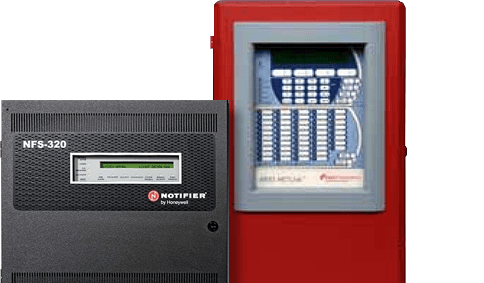
The contractor replaces damaged detectors, actuators, and nozzles, and checks the suppression system to NFPA 2001, the standard Ontario’s Fire Code references. Where the releasing panel connects to the building’s fire alarm system, a technician witnesses its operation to confirm the right signals reach the fire alarm panel ( CAN/ULC-S537:2019-REV1, 21.3 ), and verifies any panel modification under the same standard. Arrange fire suppression system inspection and testing as part of recommissioning before returning the system to automatic operation.
If anyone opened walls or ceilings, seal every penetration ( NFPA 2001, 11.5.4 ) and arrange a room integrity (door fan) retest . Then update the inspection, maintenance, and test records ( Ontario Fire Code, Div. B, 6.8.1.2 ).
Frequently asked questions
What should I do immediately after an accidental clean agent discharge?
Get everyone out, ventilate following your site procedure, and leave the panel as it is until someone records the cause. Then tag the system as impaired, notify the fire department, occupants, and supervisory staff, and book refill and recommissioning. The nine steps above give the full order.
Is clean agent safe to breathe after an accidental discharge?
Follow the agent’s safety data sheet and your site procedure, and stay out until a competent person confirms the room is safe. The answer depends on the agent, the concentration, and what the discharge stirred up. You can find agent safety data sheets on our MSDS page .
How much does it cost to refill a clean agent system after a discharge?
The clean agent refill cost depends on the agent type, the amount, cylinder test status, and site access. Recommissioning, cleanup, and any room integrity retest add to it.
Can an accidental discharge damage servers or hard drives?
The noise of a discharge can disrupt spinning hard drives. Siemens testing linked storage faults to high noise levels after inert gas discharges, and its findings don’t cover solid-state drives.
How can accidental discharge be prevented during construction work?
Have a qualified technician isolate the releasing circuit using the approved disconnect and record the impairment before work starts. Arrange required temporary protection, brief the contractor, and use approved detector covers where appropriate. Restore the system only after the covers are removed and the affected devices and release sequence have been checked.
Talk to a fire protection specialist
If your system has discharged, or you’re planning work in a protected room, contact Control Fire Systems Ltd. or call 1-866-384-1280.
This article is general guidance. After any discharge, have the system inspected and recommissioned by a qualified fire protection contractor before it is relied on again.