













Data Center Fire Protection in Canada: Clean Agent, Pre-Action, Detection, and Battery Risk Planning
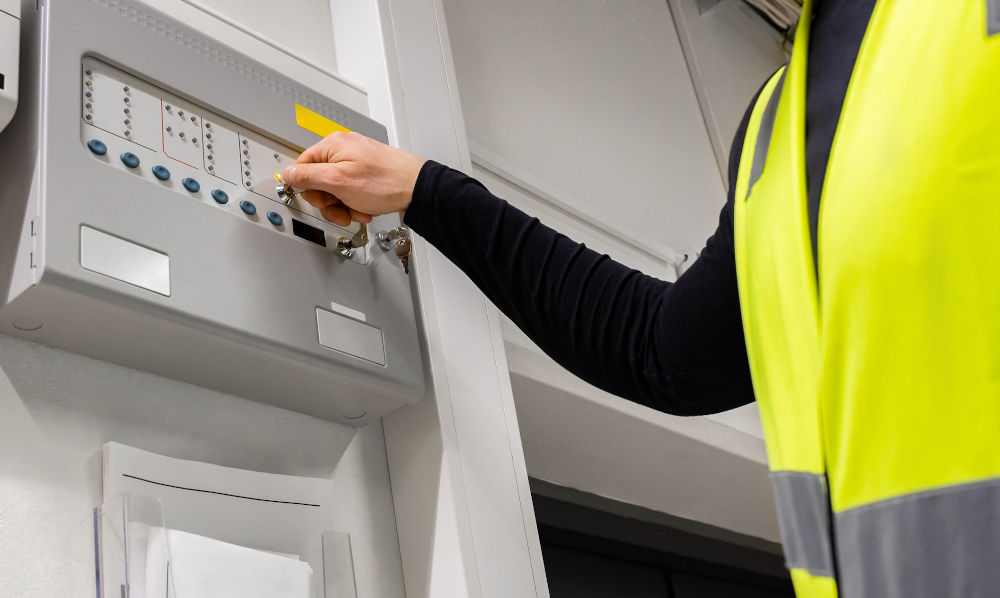
Protecting valuable assets like data centers is a paramount concern for Canadian businesses navigating the modern landscape. Unlike traditional rooms with a mixture of normal combustibles, these sensitive rooms need special attention when it comes to both detection and suppression.
Integrating several key components together, including early detection, clean agents, and even the design and integrity of the room itself, work toward the overall goal of protecting these data centers.
Explore further
Key Takeaways
- Data center fire protection must account for sensitive electronics, business continuity, battery risks, and water damage concerns.
- Clean agent systems are often used in server and IT rooms because they can suppress fires without leaving residue or causing corrosion.
- Room integrity is critical because leaky rooms can reduce clean agent concentration and prevent the system from maintaining the required hold time.
- Pre-action sprinklers can help manage water risk by reducing the chance of accidental discharge in or near sensitive equipment areas.
- Early detection and alarm integration are essential because clean agent systems depend on fast identification and response to early-stage fire conditions.
- UPS battery rooms, lithium-ion battery cabinets, and BESS-adjacent areas should be reviewed separately because battery chemistry, ventilation, and thermal runaway risks affect the protection strategy.
- Changes to cabling, UPS capacity, battery systems, airflow, or room layout should trigger a fire protection review.
Why Data Center Fire Protection Is Different
These rooms are filled with equipment valuable both for its innate monetary cost and vitality in preserving continuity of business. These sensitive electronic parts and batteries can be just as damaged by a barrage of water, the traditional medium used to put out fires, as they can be by fire and smoke.
Using substances and systems that allow for rapid deployment of a suppression system that both solves the immediate fire problem and sets your business back up to get up and running as soon as possible are of equal importance.
Core Protection Layers in a Data Center
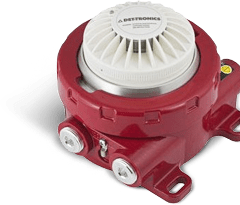
Early detection systems are the key to cutting off an incipient flame as soon as possible. Minimizing the early damage lets you utilize the appropriate residue free, non-corrosive clean agent appropriate to the room's needs.
Having solid room integrity will not only contain the fire and not let it spread through more of your facility, it will also let the suppression agents work effectively and be ventilated safely.
An overlooked part of your fire plan may be the need for a UPS battery and risk system to be set up, as well as a defined plan for the actions needed to be taken during this downtime.
Clean Agent Systems for Server and IT Rooms
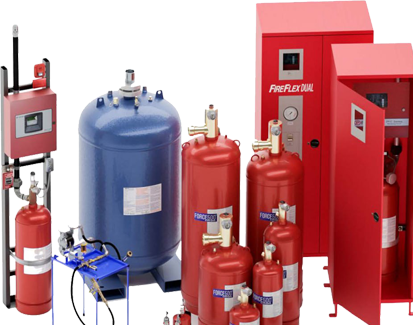
Clean agent systems can seem complex because of the holistic, top down view that needs to be taken of them. In order to properly protect your business, you must work with engineers and fire professionals to create room-specific plans for deployment of our agents. Leaky rooms lead to improper hold times and concentrations and can negatively impact the efficacy of an otherwise well designed system.
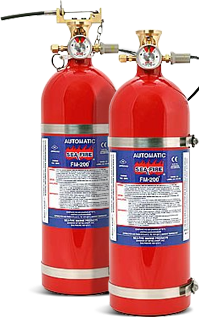
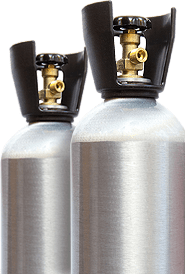
You must also have plans and paperwork in place to service and test your system, including all the cylinders contained within it. FK-5-1-12 is among the most popular choices for clean agents, but it may not always be a one-size-fits-all option.
People also search
Pre-Action Sprinklers and Water Risk Management
Pre-action sprinklers work differently than a traditional sprinkler system while still allowing you to use water in some areas. They actually limit the total water usage by preventing accidental water discharge and can protect areas surrounding sensitive machinery.
Early Detection and Alarm Integration
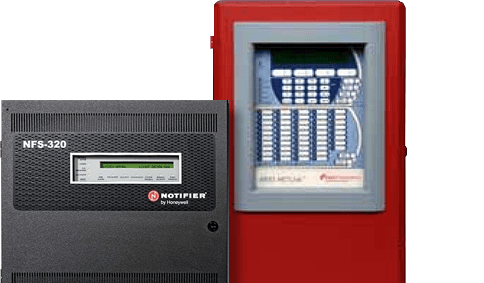
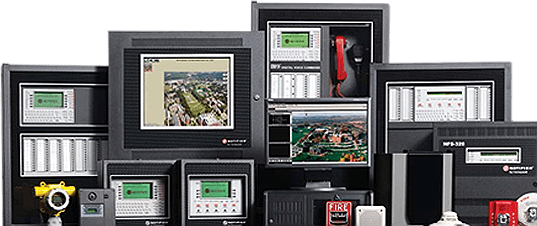
Without early detection and alarms even the best clean agent system is almost useless. Integrating gas and heat monitoring with a robust alarm system linked to your control room gives you the chance to get a jump on early problems and alert your facility's workers to the threat.
Battery and UPS Risk Planning
Traditional UPS Battery Rooms
Battery chemistry may vary by use and size, and needs to be taken into consideration. The manner in which you both monitor and ultimately suppress fires in these rooms is dependent on the specific chemistry of the batteries housed.
Lithium-Ion Battery Cabinets and BESS-Adjacent Risks
Thermal runaway is the biggest risk in lithium-ion batteries, and the only true suppression tactic is to isolate the fire to the individual cells to avoid further propagation. Ventilation is extremely important in these rooms.
Why Battery Changes Should Trigger Fire Protection Review
Any change in room shape, scope, or contents should lead to a full review of the systems being used within. Each individual battery's chemistry will need to be addressed, as will the airflow and patterns of the room itself.
Common Data Center Fire Protection Gaps
Using the wrong material for the items being protected is the easiest to remedy, but rooms lacking the proper integrity for clean agent expulsion may be the most common mistake seen.
Not checking on cylinder paperwork, servicing, and maintenance is another notorious gap in server room fire protection. Paperwork is a bigger culprit than the functionality of the room itself at times, and needs to be treated as a serious step in complete protection rather than an afterthought.
Case Insight + Final Recommendations
A Canadian data center expanded its UPS capacity and added new cabling through a clean-agent-protected room. During review, the team identifies unsealed penetrations, outdated room-integrity assumptions, and unclear alarm integration for the battery area. This called for an overhaul of the room's design.
After working with fire professionals to ensure room integrity, the system was able to go back online and downtime was kept to a minimum.
Need help reviewing fire protection for a data center, server room, or critical IT space in Canada?
Control Fire Systems ltd. helps facility teams coordinate clean agent systems, pre-action protection, early detection, battery-risk planning, and compliance-ready documentation.
FAQs
1. Why is data center fire protection different from standard fire protection?
Data centers contain sensitive electronics, critical IT infrastructure, UPS equipment, cabling, and battery systems. These assets can be damaged by fire, smoke, water, corrosion, and downtime, so the fire protection strategy needs to focus on both suppression and business continuity.
2. Are clean agent systems suitable for data centers?
Yes, clean agent systems are often suitable for data centers, server rooms, and IT spaces because they can suppress fires without leaving residue or damaging electronics. However, the system must be designed around the specific room layout, hazards, airflow, enclosure integrity, and required hold time.
3. What is the role of pre-action sprinklers in data centers?
Pre-action sprinklers help manage water risk by requiring additional activation steps before water is released. They can be useful in or near sensitive equipment areas where accidental water discharge needs to be reduced, while still providing sprinkler protection where required.
4. Why does room integrity matter in clean agent-protected data centers?
Room integrity matters because clean agent systems need the protected room to hold the correct agent concentration long enough to suppress the fire. Unsealed penetrations, cabling changes, poor sealing, or uncontrolled airflow can allow the agent to escape too quickly.
5. What battery risks should data centers review?
Data centers should review UPS battery rooms, lithium-ion battery cabinets, battery chemistry, ventilation, gas detection, thermal runaway risk, and any BESS-adjacent hazards. Any change in battery capacity, layout, or equipment should trigger a review of the fire protection strategy.