













How Special Hazard Suppression Systems Integrate With Fire Alarm Control Panels
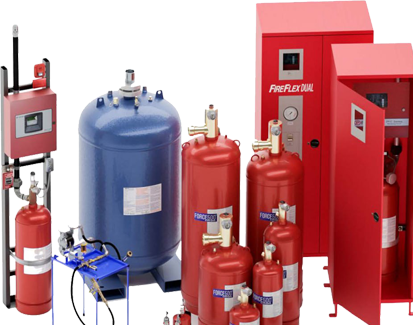
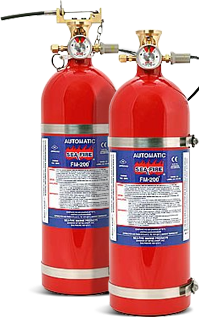
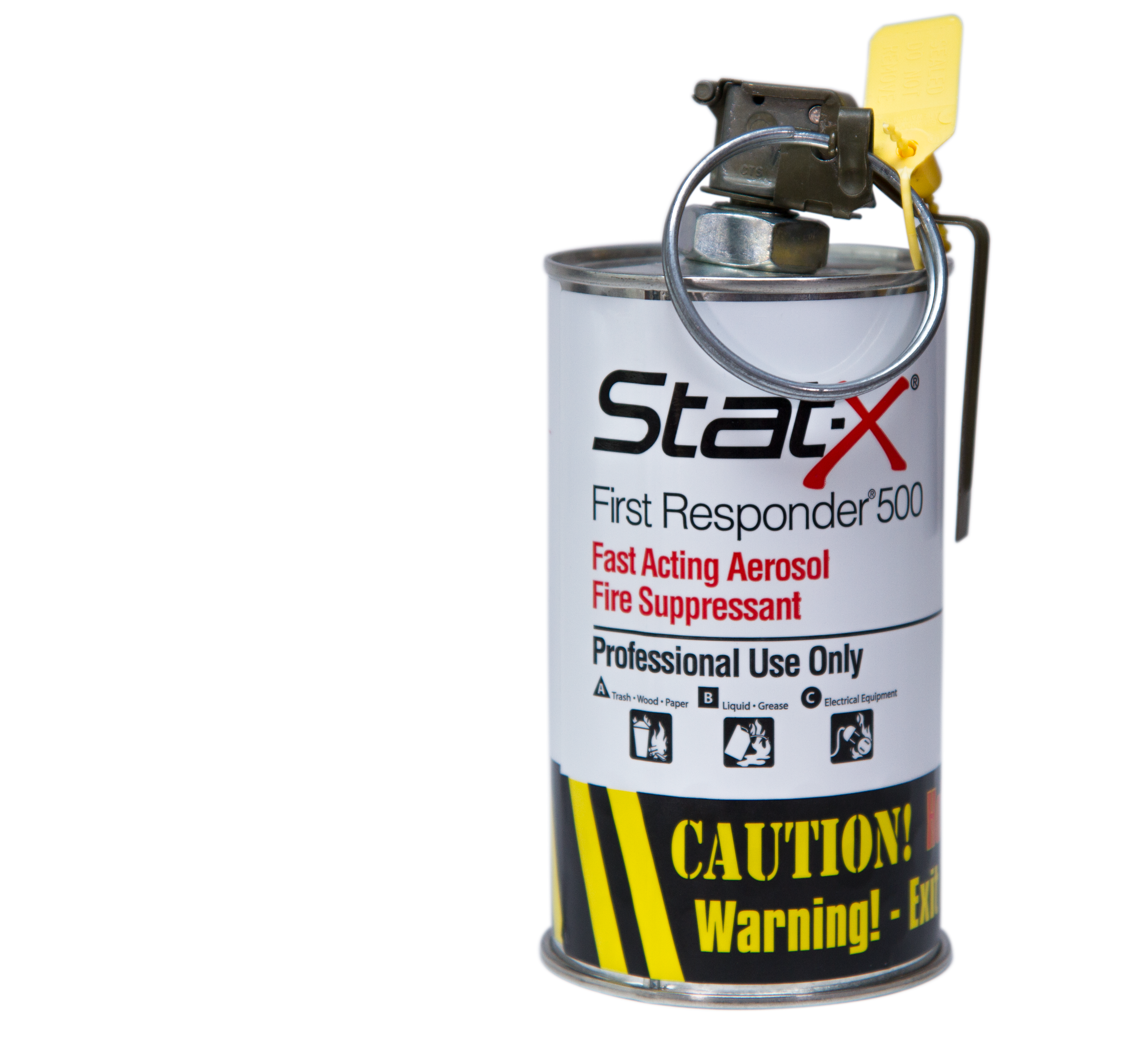
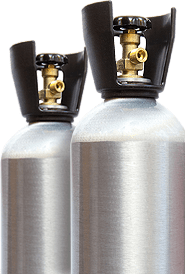
Special hazard suppression systems depend on more than the suppression agent itself. Clean agent, inert gas, aerosol, and other special hazard systems need accurate detection, releasing logic, alarm communication, shutdown coordination, and clear control panel integration to work as intended.
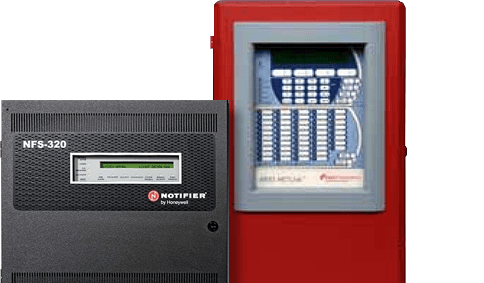
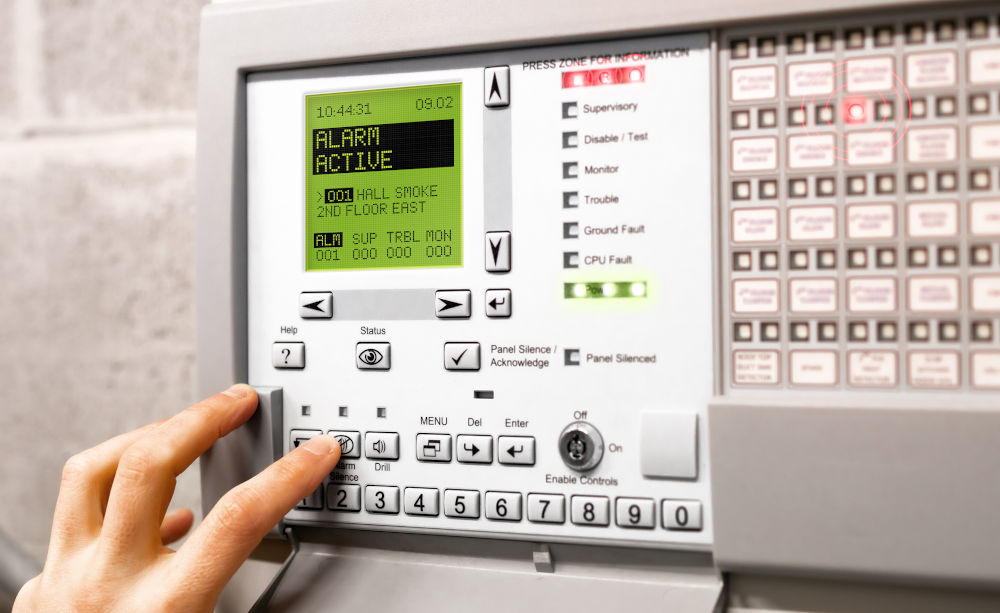
A fire alarm control panel or releasing control panel acts as the system's communication and command hub. It receives signals from detection devices, monitors supervisory conditions, activates pre-discharge notifications, controls agent release, coordinates equipment shutdowns, and confirms system operation. Without proper integration, even a well-designed suppression system can fail acceptance testing or create confusion during an emergency.
Explore further
For Canadian facilities, integration should be reviewed before commissioning, after renovations, and during system upgrades. Clear documentation, labeling, testing records, and responsibility mapping help ensure the system is ready for AHJ review, insurance audits, and real fire events.
Key Takeaways
- Special hazard suppression systems need proper detection and control panel integration to function reliably.
- Fire alarm control panels and releasing control panels help coordinate detection, alarms, supervisory signals, shutdowns, and agent release.
- Common shared signals include alarm conditions, supervisory conditions, cylinder pressure monitoring, discharge confirmation, abort functions, and manual release functions.
- A typical sequence of operation includes detection, verification, pre-discharge notification, equipment shutdown, agent release, and confirmation.
- Failed acceptance tests often happen because of mislabeled relays, unclear signal mapping, missing supervisory signals, or outdated signage.
- Canadian facilities should document panel logic, release zones, HVAC shutdowns, damper locations, testing results, inspection records, and impairment records.
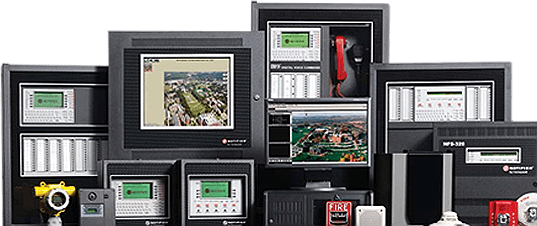
The best special hazard system in the world is useless without proper detection and integration into a control panel. By both automating a system and using it as a control hub you can combine all the components of your system into one brain.
This doesn't stop at suppressing the fire, either. Tying these roles into a control panel lets your perform necessary shutdown and restart functions, provide early notification for employee safety, and communicate more readily with your local fire protection agency.
Why Integration Matters in Special Hazard Protection
Special hazards substances only deploy when told to, and are in themselves only part of the equation. Alarms and communication can be as integral to resolving the life-safety and continuity of operations issues that arise from incipient fires in highly protected rooms.
Fire Alarm Control Panel vs Releasing Control Panel
A fire release handle (think of how a traditional pull handle functions) can be a stand alone feature of a suppression system, or can itself be tied into a master control panel system. Having the extra features of a centralized control panel can detect and control zones for further fire release.
Integrating all these systems together gives you more control over the fire attack, evacuation, and overall fire response.
Common Signals Shared Between Systems
Condition reporting is a feature of panels that is shared among all types. Reporting on alarm conditioners and agent monitoring is an obvious and necessary function needed to maintain alertness.
People also search
Likewise, confirming discharge helps you know when you actually have suppression activities taking place, and an abort switch lets you turn off the clean agent if a false alarm is detected.
Typical Sequence of Operation
Detection and Verification
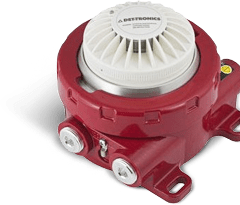
Different types of monitors can report back to the panel to give information on spot detection and heat and gas inputs.These can provide both spot detection to isolate specific areas or cabinets or be cross-zoned to show a more global effect.
Pre-Discharge Notification
Life-safety is the most important goal of fire protection, and alarms and notifications provide a vital link in the chain to alert employees to the presence of a fire and agent discharge.
Release, Shutdowns, and Confirmation
Actually expelling the agent, effectively utilizing ventilation procedures, and shutting down necessary equipment is the final step in the operational sequence.
Integration Risks That Cause Failed Acceptance Tests
Mistakes made in the installation and setup of the system are the biggest culprits when it comes to failing acceptance tests for control panels. Failing to correctly map out the signal chain or mislabeling relays and modules is a preventable error.
Additionally, failing to label abort and manual release functions, or performing renovation work without updating signage can lead to unnecessary failed tests that ultimately cost your business money.
Take time to ensure everything not only works correctly, but is labeled correctly and is easily identifiable to any agency or insurer who comes looking.
What Canadian Facilities Should Document
The short answer is "document everything." The entire schematic should be drawn out and easily accessible in case of audit or the need for building alterations. Testing results need to be clear and present along with inspection and impairment records. Take special care to make sure every piece is labeled in your documentation and in the physical space; you don't want to have any confusion as to what any piece of equipment may be responsible for.
Practical Questions to Ask Before Commissioning
Clearly demarcate which panels control releases and supervisory signals. Note who is ultimately responsible for operating the system and ensuring end-to-end integration.
If you have HVAC integration, clearly document the dampener locations and functions, as well as all power shutdowns tied to the control panels workings.
Case Insight + Final Recommendations
A clean agent system was installed in a server room, but during testing the building FACP only received a general alarm and not the required supervisory condition for cylinder pressure monitoring. Going back over their records, the company made sure to clearly update the signage and labeling, and made a clean, easy-to-access folder of testing records readily available. After an easy inspection and audit, the room was cleared for use and the downtown was reduced.
Need help coordinating a special hazard suppression system with your fire alarm controls?
Control Fire Systems ltd. helps Canadian facilities review releasing logic, alarm integration, testing records, and close-out documentation for clean agent, inert gas , aerosol, and other special hazard systems.
FAQs
1. Why does special hazard suppression need fire alarm control panel integration?
Special hazard systems need control panel integration because suppression agents only release when the correct detection, alarm, and releasing logic is activated. Integration helps coordinate detection, alarms, shutdowns, discharge, supervisory monitoring, and emergency communication.
2. What is the difference between a fire alarm control panel and a releasing control panel?
A fire alarm control panel manages building fire alarm signals, notification, and supervisory conditions. A releasing control panel is designed to control suppression system release functions, such as clean agent discharge, pre-discharge alarms, abort switches, and manual release stations. In some facilities, these systems are interconnected.
3. What signals are commonly shared between fire alarm and suppression systems?
Common signals include alarm conditions, trouble signals, supervisory conditions, cylinder pressure monitoring, agent discharge confirmation, manual release activation, abort switch status, HVAC shutdown signals, and equipment interlocks.
4. What can cause failed acceptance testing for integrated suppression systems?
Failed acceptance tests often result from poor signal mapping, mislabeled relays or modules, missing supervisory conditions, unclear abort or manual release labeling, outdated signage, incomplete documentation, or renovation work that was not reflected in the system records.
5. What should Canadian facilities document before commissioning?
Facilities should document the sequence of operation, panel responsibilities, release zones, detection devices , supervisory signals, manual release and abort functions, HVAC shutdowns, damper locations, power shutdowns, testing results, inspection records, and close-out documentation.