













Fire Protection for Transformer Rooms and Electrical Distribution Spaces
Transformer rooms and electrical distribution spaces are critical to building operations. They support power delivery across the facility, but they also concentrate heat, electrical load, cabling, switchgear, and in some cases combustible oil-based materials. Because of this, a fire in one of these rooms can create both an immediate safety risk and a major business continuity problem.
Unlike standard office or storage areas, electrical rooms require dedicated fire protection planning. The strategy should account for transformer type, equipment layout, ventilation, early detection, suppression options, arc-flash safety, shutdown procedures, and documentation. Even small issues such as dust buildup, added cabling, poor airflow, or outdated maintenance records can increase fire risk over time.
Explore further
For Canadian facilities, reviewing these rooms before problems occur can help reduce downtime, support safer emergency response, and keep critical electrical infrastructure better protected.
Key Takeaways
- Transformer rooms and electrical distribution spaces need dedicated fire protection planning because they combine heat, electrical load, cabling, and critical building infrastructure.
- Dry-type transformers may not use flammable liquids, but they can still create fire risks through heat buildup, dust accumulation, poor ventilation, and electrical faults.
- Oil-filled transformers carry a higher fire load because combustible oil can increase fire severity, smoke production, and response complexity.
- Switchgear, MCCs, and distribution equipment require careful planning around arc-flash boundaries, shutdown procedures, and emergency access.
- Early detection is critical in electrical rooms because identifying a small problem early can reduce the chance of a larger fire event.
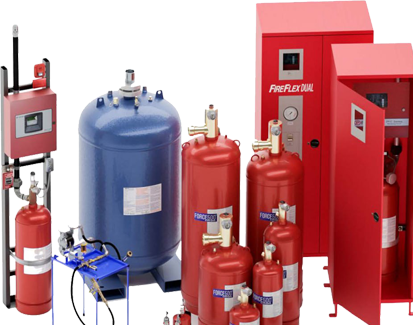
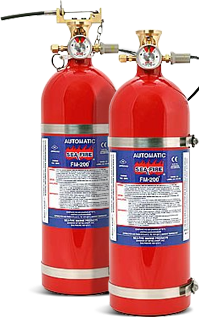
- Suppression options may include pre-action sprinklers, handheld extinguishers for trained personnel, clean agent protection for contained electrical cabinets, and specialized systems such as water mist or hybrid approaches where appropriate.
- Ventilation, dust control, room use, added cabling, documentation, and regular testing should all be part of the fire protection review.
Transformer rooms are hubs of activity for many businesses and, because of the heat and energy contained within them, pose serious fire threats.
By understanding the types of risks transformer rooms present, and the specific tools you can use to mitigate fires within them, you can reduce downtime for your business and increase safety in your workplace.
Why Electrical Distribution Spaces Need Dedicated Fire Protection Planning
According to the NFPA, roughly 15% of all commercial fires are electrical in nature. As a hub for the power in your building, transformer rooms are high-threat areas that require specific fire planning separate from that of a normal storage or office area.
Risk reduction strategies will help you detect early threats and increase life safety as well as protecting business assets caused by damage to the equipment or an interruption in power.
What Makes These Rooms High Consequence
Any space where large amounts of heat can build up presents the danger of a fire. Transformer rooms combined with mechanical heat with large amounts of cabling and electricity that can present sparks via arcs or faults.
Added to this is the presence of highly-flammable oil-based fuels in combustible environments. This multi-level threat also happens to occur in the power plant of your building; any problems here could shut down operations across a wide area. Even if the transformer or equipment is easy to fix following a fire event, the resultant loss of continuity of operation may have an outsized effect of the damage to your business.
People also search
Transformer Type and Room Use Matter
Dry-Type Transformers
Dry-type transformers don't use flammable liquids, but still present several others fire risks due to dust collection and potentially poor ventilation within a contained, hot environment.
Oil-Filled Transformers
These types of transformers present a much higher fire load due to the highly flammable oil used within them. This creates the possibility of increased smoke, which may be more dangerous to both responders and the equipment.
Switchgear, MCC, and Distribution Equipment
Charged electrical loads present a danger separate from the fire they could potentially generate. Establishing arc-flash boundaries to keep a safe distance from live charges is vital for the safety of everyone involved. Have a known shutdown operation laid out ahead of time so there is no confusion when going into these types of rooms.
Detection Options for Electrical Rooms
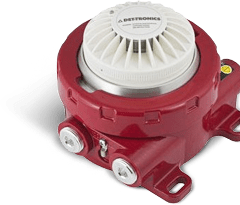
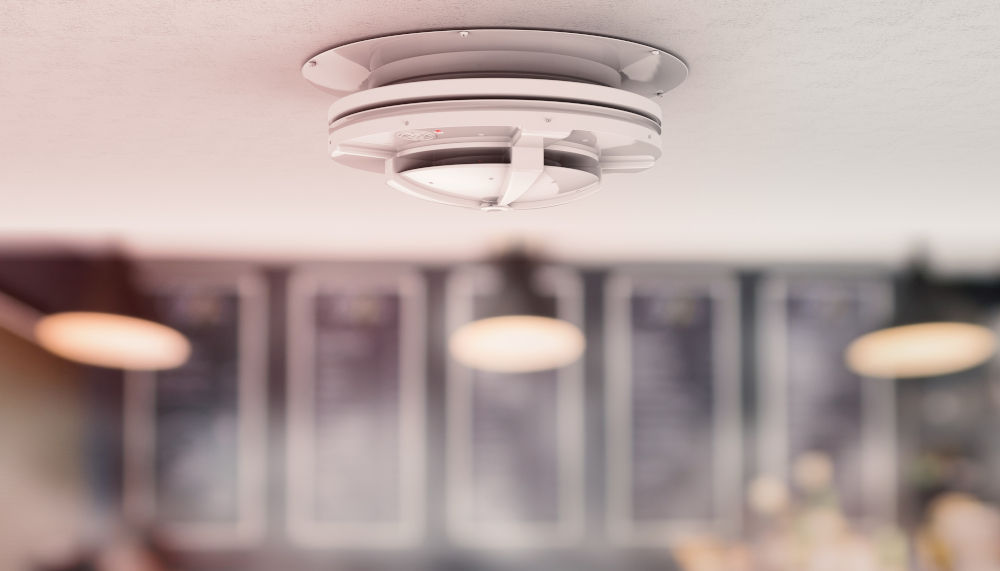
Smoke and heat detection are your principle tools for early detection in these rooms. Aspirating smoke alarms can provide additional extra early warnings tied into your control room. Being able to identify the problem quickly can be more important than a robust suppression setup; a small fire is easier to put out than a big fire.
Suppression and Control Options
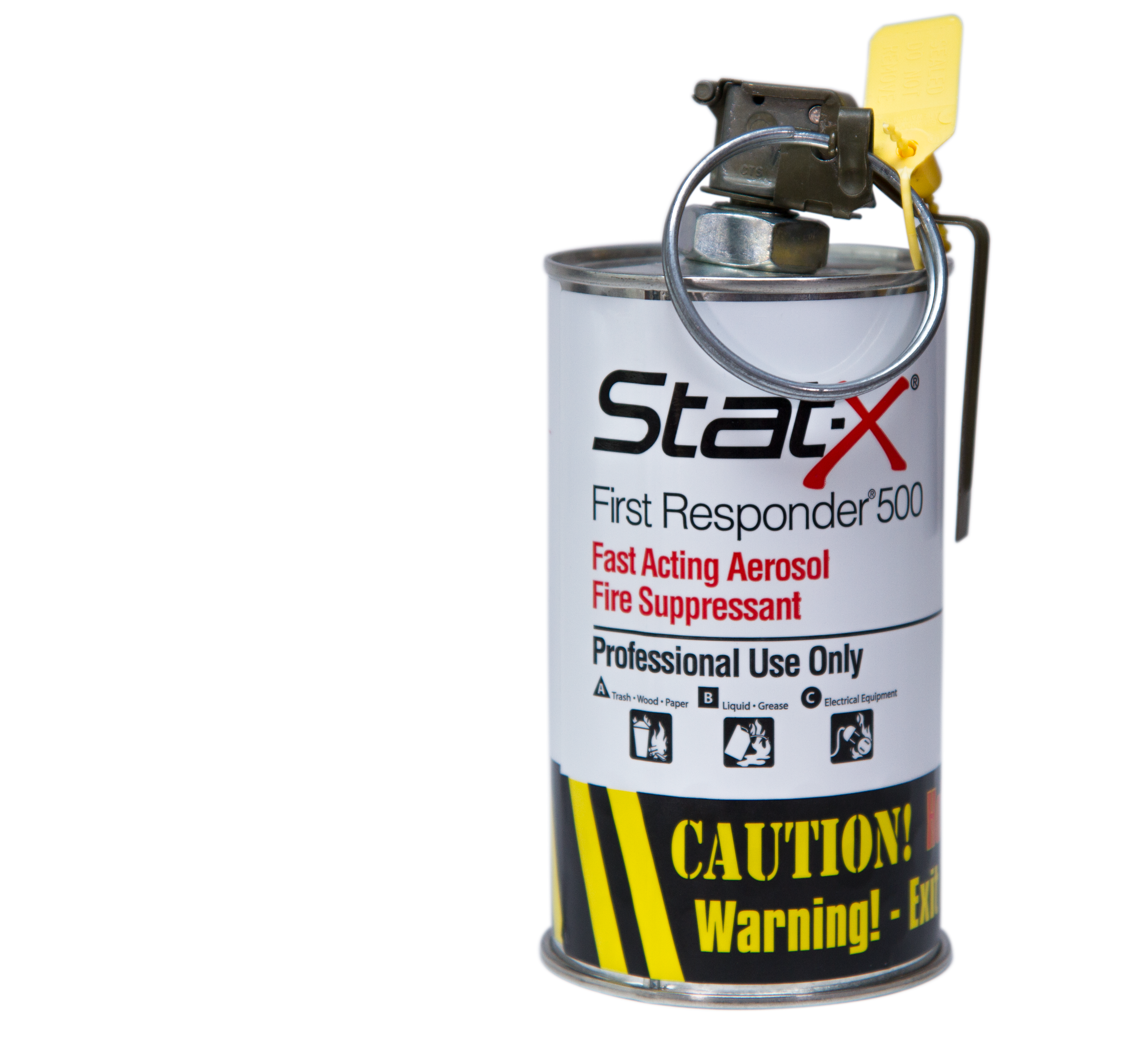
Pre-action sprinklers and hand held extinguishers used by trained personnel are classic and well-trod suppression choices, but you also may want to look into a clean agent system for contained electrical cabinets. Water mist and hybrid systems can also have niche practical uses in transformer rooms.
Design and Maintenance Issues That Increase Risk
Ventilation is vital for hot rooms, and becomes even more important when suppression systems are being set up. Room integrity, coupled with the unknown equipment that may be stored alongside your transformers can unknowingly increase the fire load.
In that same vein, a simple thing like dust accumulation can radically increase the risk of fire in these types of compartments.
What Canadian Facilities Should Review
Classifying the room and equipment properly is an important first step, as is checking and re-checking room integrity for ventilation issues or leaks.
Confirm you have suitable suppression compounds for the materials housed, and that the coverage of these tools is adequate. Be diligent about testing and documenting all your equipment regularly to maintain it in working order.
Case Insight + Final Recommendations
A commercial facility experienced repeated overheating alarms in an electrical distribution room. Reviewing the situation, the team discovered poor ventilation was in place, leading to stagnant, hot air and dust buildup. Additionally, cabling had been added to the room without being accounted for in the fire plan. Taking all this information to a fire professional, the company was able to rectify the situation safely and move forward with operations.
Need support reviewing fire protection for transformer rooms or electrical distribution spaces?
Control Fire Systems ltd. helps Canadian facilities assess detection, suppression, documentation, and maintenance requirements for critical electrical infrastructure.
FAQs
1. Why do transformer rooms need dedicated fire protection?
Transformer rooms need dedicated fire protection because they contain high electrical loads, heat-generating equipment, cabling, and sometimes combustible oil. A fire in these rooms can affect both life safety and business continuity by disrupting power to large parts of the facility.
2. What fire risks are common in electrical distribution spaces?
Common risks include overheating equipment, electrical faults, arcing, overloaded cabling, poor ventilation, dust buildup, combustible materials, oil-filled transformer hazards, and inadequate shutdown or access planning.
3. Are dry-type transformers safer than oil-filled transformers?
Dry-type transformers do not use flammable liquid, so they usually carry a lower liquid-fuel fire load. However, they still require fire protection planning because heat, dust, ventilation issues, electrical faults, and nearby combustible materials can still create fire risks.
4. What detection systems are useful for transformer rooms?
Smoke detection, heat detection, and aspirating smoke detection can be useful depending on the room conditions and equipment. Early detection helps facility teams respond before a small electrical issue becomes a larger fire event.
5. What should Canadian facilities review in transformer rooms?
Facilities should review transformer type, equipment classification, ventilation, room integrity, detection coverage, suppression suitability, arc-flash boundaries, shutdown procedures, dust accumulation, added cabling, inspection records, and maintenance documentation.