













Local Application vs Total Flooding: How to Protect Electrical Cabinets and Control Panels Without Over-Engineering the Room
Key Takeaways
- Electrical cabinets and control panels often require a different fire protection strategy than open rooms because the fire risk usually starts inside enclosed equipment, not across the entire space.
- Total flooding is typically the better fit when multiple cabinets, connected systems, and room-level fire spread create one shared risk envelope.
- Local application is often the smarter choice when the hazard is isolated inside specific cabinets or when the room cannot be reliably sealed.
- Choosing room-level suppression for a small, contained hazard can lead to unnecessary cost, recharge complexity, and longer downtime after discharge.
- Detection speed matters: small enclosures can escalate quickly, so cabinet protection often depends on fast automatic detection and targeted suppression.
- Ventilation, enclosure layout, collateral damage concerns, and refill logistics should all be evaluated before selecting a suppression strategy.
- The best design is not always the biggest system - it is the one that matches where the fire is most likely to start and how the risk can realistically spread.
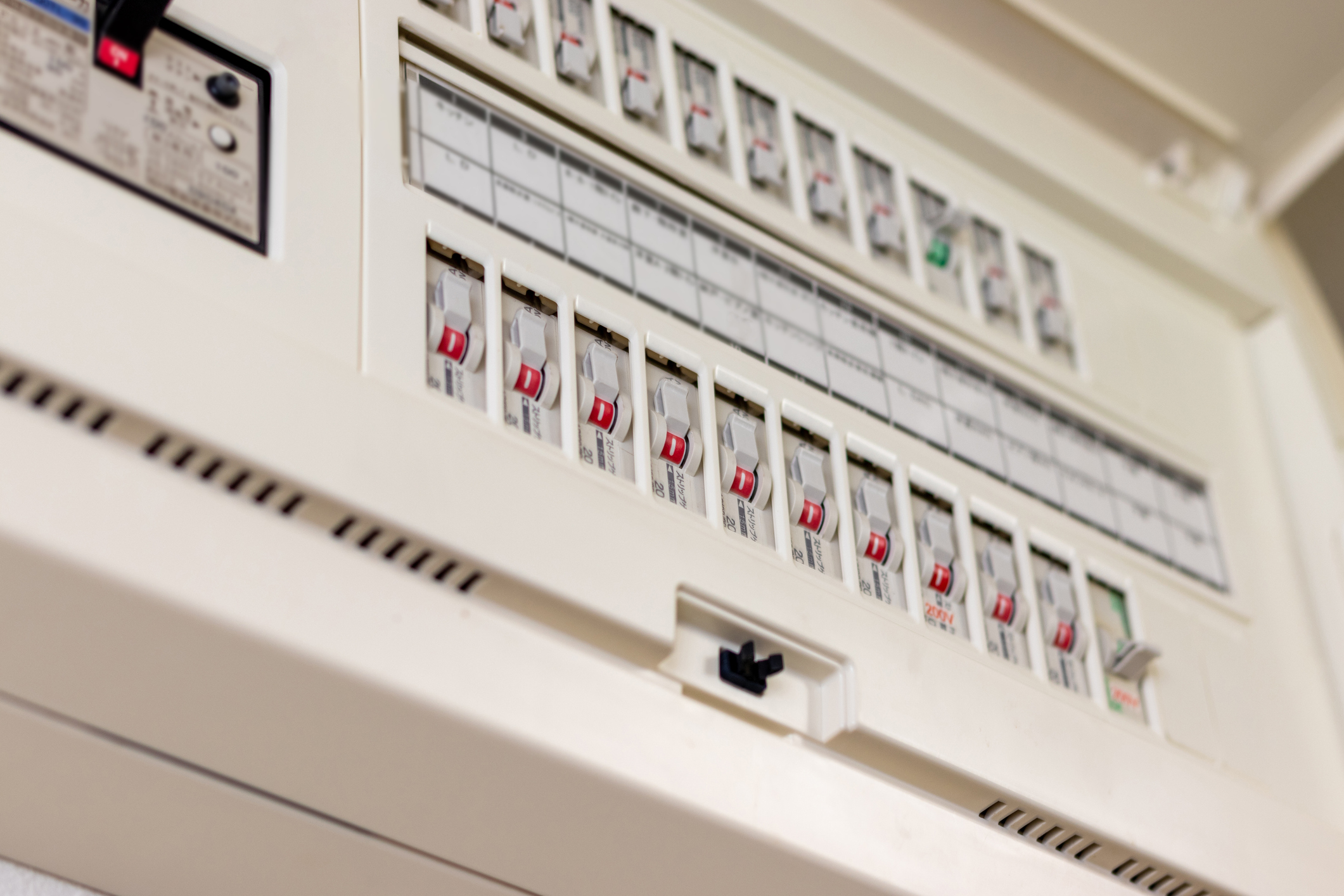
When facilities plan fire protection for electrical cabinets, PLC panels, MCCs, and other control equipment , the biggest mistake is often assuming the whole room needs the same level of protection as the hazard itself. In many cases, the real fire risk begins inside a cabinet, behind a door, or within a confined electrical enclosure - not across the full room envelope.
That is where the difference between local application and total flooding becomes critical. While total flooding systems can be the right solution for larger, sealed spaces with multiple connected ignition points, they are not always the most practical or cost-effective option for every control room or electrical area. In some facilities, a targeted cabinet protection strategy can provide faster suppression, less operational disruption, and a more efficient use of suppression resources.
This article explains how to evaluate both approaches, what design factors matter most, and how Canadian facilities can protect electrical cabinets and control panels without over-engineering the room.
Explore further
H2: Why Cabinets and Control Panels Need a Different Fire Protection Approach
Fire risks frequently start in hidden compartments and enclosures. Wiring, heat generating machinery, and electrical panels typically live behind small doors or cabinets rather than sitting exposed in the middle of a room.
Since electrical shorts , arc faults, and overheating are among the most common causes of fires in commercial buildings, it doesn't make sense to rely on suppression systems that are designed to douse large open areas (primarily to increase survivability and life safety).
Focused, special fire suppression systems designed specifically to target small rooms and cabinets are a far superior plan of action when it comes to confining fires to segregated areas and putting them out quickly. Using special hazard suppression tools instead of relying on water gives the additional advantage of ensuring significantly less damage is done to your sensitive assets during discharge.
Understanding the Two Strategies
What "Total Flooding" Means
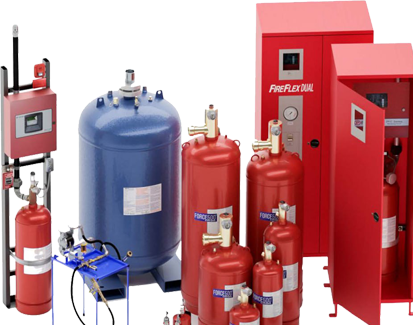
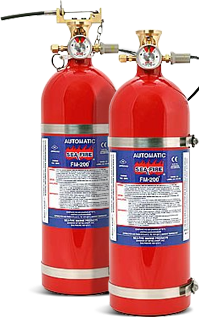
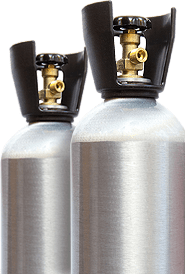
The first strategy for using tools like clean agents or inert gas is the "total flooding" method. This may be useful for large server rooms or data centers as, just like the name implies, the system is designed to cover the entire room. When dealing with areas which include several different sectors compartmentalized off from each other, it may be a waste of resources and include longer unnecessary downtime when having to recharge.
What "Local Application" Means
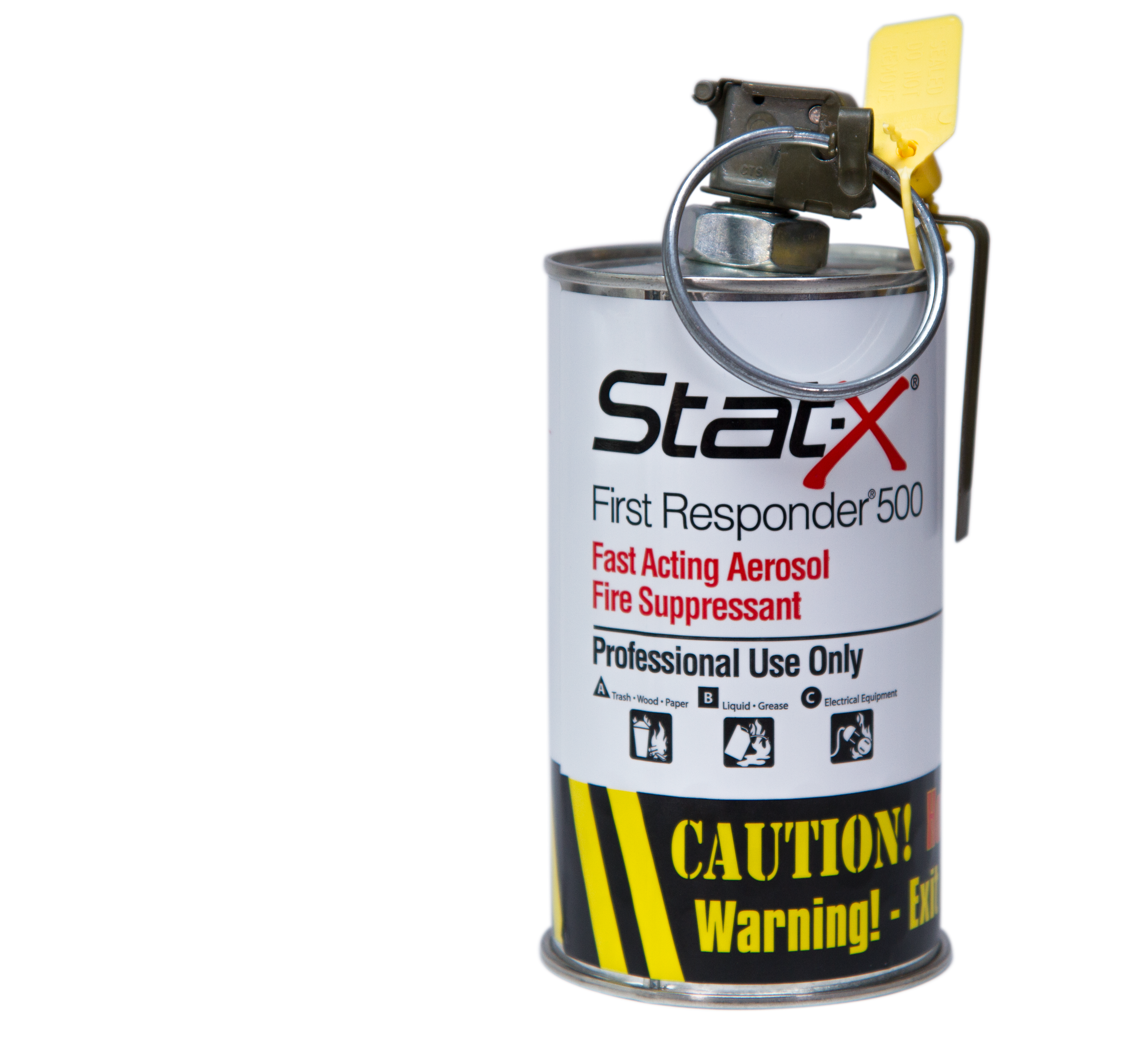
"Local application" can be a better tactic when dealing with small cabinets and cubby holes. Small aerosol cans can be easily placed in these types of enclosures rather than relying on suffocating the entire room.
When Total Flooding Is the Right Choice
Multiple Cabinets + Shared Risk Envelope
It is important to correctly diagnose the type of risk your room faces. Rooms with multiple ignition sources, panels, and cable connections, where fire can quickly run to and from, benefit from the total flooding strategy.
People also search
High Consequence of Room-Level Fire Spread
Large control centers, SCADA rooms, and UPS areas all share this type of connected fire threat. Trying to isolate the fire may be ineffective if multiple ignition sources are likely to flash at once, or if an incipient fire has a place to run to before the suppression system can become activated.
Suitable Room Conditions
Rooms where total flooding is used need to have other appropriate characteristics, such as integrity dampeners and controlled ventilation. Without these, the agents will have nowhere to exhaust out after discharge, making cleanup and overhaul potentially dangerous to workers and equipment.
When Local Application Is the Better Fit
The Hazard Is Inside the Cabinet
Electrical panels, VFD cabinets, and motor control centers isolated from the rest of the room are perfect candidates for local application techniques. The most likely ignition location for these sources is inside their housing, meaning that a more targeted approach can contain and eliminate the threat.
The Room Can't Be Sealed Reliably
Larger rooms which are unable to be properly sealed can also benefit from localized application. It is unsafe, and could even be ineffective, to attempt to flood these spaces with suppression agents due to the constant airflow and changes in pressure.
Budget and Downtime Constraints
Local systems also offer the benefit of quicker turnaround to "business as normal" following a discharge. You can "over engineer" yourself into significant operational downtime if you rely on a total flooding system when it isn't needed.
Key Design Factors That Determine the Best Option
Enclosure Size, Configuration, and Venting
Typical room qualities like volume, airflow, and layout dictate your suppression options. Being able to properly apply and vent the agent is crucial.
Detection Requirements
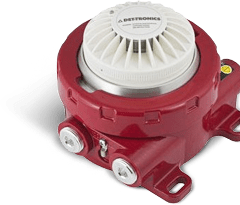
The smaller the cabinet the quicker you need to detect the threat. Room level systems can rely on broad detection methods because the whole environment will be contained. Smaller cabinets, which may combust quickly, need to be contained even faster, which requires a robust and almost instantaneous automatic detection system.
Collateral Damage and Cleanup
Residue free, non-corrosive agents are an absolute requirement for modern businesses laden with high-tech electronics. This reduces the collateral damage that can occur with conventional suppression systems like water, and helps protect your important assets.
Maintenance and Refill Logistics
Without a massive system to recharge, your downtime and refilling strategy becomes significantly less complex. Aerosol cans work great in small compartments and are completely self-sufficient, providing a significant time saving over the complicated process of testing and filling larger cylinders. One more reason to avoid over-engineering when it's not completely necessary
Common Mistakes (How Over-Engineering Happens)
Sometimes less can be more; small cabinets may be better served by smaller, portable suppression modules. You might also try to choose a total flooding method without regard for the integrity and ventilation properties of a leaky room, totally negating the benefit you were looking for.
The opposite problem can also happen when you try to protect large areas with small, targeted canisters. Fire departments know that "big fire needs big water," and the same principles can apply to clean agent protection, especially when dealing with renovations and potential future expansions.
Practical "Decision Checklist" for Facility Managers
Your checklist for making the right decision should include a myriad of factors, including but not limited to:
Number of cabinets
Integrity and ventilation capacity of the room
Whether the threat of fire is roomwide or more likely to start in a contained area
How much downtime you are willing to accept after a discharge
Your business' capacity to handle refilling and maintenance
Case Insight (Example)
A Canadian facility considered installing a room-level clean agent system for a small electrical room, but the room's integrity was questionable due to heavy penetrations and constant airflow. A local application suppression approach was selected for the most critical MCC and PLC cabinets, paired with a strong early automated detection system. This maintained crucial fire protection within the business and lowered the complexity of both the installation and maintenance.
H2: Final Recommendations & Best Practices
The most important question you have to answer is where a potential fire is most likely to start. Once you have that in mind, room considerations like integrity and cabinet size will begin to point you in the right direction. Maintenance and downtime assessments will also be important, and always reassess and retest your system when modifications or renovations take place within your facility.
FAQ
1. What is the difference between local application and total flooding fire suppression?
Local application protects a specific hazard area, such as an electrical cabinet or control panel, by discharging suppression directly where the fire is most likely to start. Total flooding, by contrast, is designed to distribute agent throughout an entire enclosed room so the whole space reaches the required suppression concentration.
2. When is local application better for electrical cabinets?
Local application is usually the better fit when the fire risk is clearly contained within a cabinet, enclosure, or piece of equipment rather than across the full room. It can also be the stronger option when the room has poor integrity, ongoing airflow, or other conditions that make total flooding less reliable or more expensive than necessary.
3. When should a facility choose a total flooding system instead?
Total flooding is often the right choice when several cabinets, cable pathways, and electrical systems create a shared room-level fire risk. Spaces such as control rooms, UPS rooms, and certain SCADA environments may need full-room protection if a fire can spread quickly beyond one enclosure before suppression activates.
4. Why can total flooding be considered over-engineering in some rooms?
A room-level suppression system can become over-engineered when the actual hazard is limited to one or two cabinets and the rest of the room does not present the same fire exposure. In that situation, the facility may end up paying for more agent, more infrastructure, more complex maintenance, and longer downtime after discharge without receiving proportional benefit.
5. Can local application help reduce downtime after a fire suppression discharge?
Yes. In many cases, local application systems can reduce downtime because they target only the affected enclosure rather than discharging throughout the entire room. That can simplify cleanup, reduce refill complexity, and help facilities restore operations more quickly after an incident.
6. What design factors matter most when choosing between local application and total flooding?
The most important factors include where the fire is likely to start, whether the hazard can spread beyond the cabinet, the size and venting of the enclosure, the integrity of the room, detection speed requirements, acceptable downtime, and the practicality of recharge and maintenance. These factors should be reviewed together rather than in isolation.
7. What type of fire suppression agent is commonly used to protect electrical cabinets and control panels?
Electrical cabinets and control panels are typically protected using suppression solutions intended for sensitive equipment, including clean agents or specialized aerosol-based systems, depending on the enclosure, application, and design objective. The right choice depends on the cabinet configuration, asset sensitivity, code requirements, and whether protection is needed at the cabinet level or across the room.
Not sure whether your site needs total flooding or targeted cabinet protection?
Control Fire Systems Ltd. helps Canadian facilities evaluate electrical and control-room risks and design special hazard fire suppression solutions-from local application systems for cabinets to total flooding systems for critical rooms-without unnecessary complexity.