













Fire Systems Engineering in Canada: From Risk Assessment to Final Commissioning
What “Fire Systems Engineering" Means
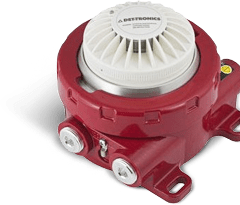
Fire Systems Engineering is a large concept term that encompasses the totality of the fire safety and protection of your building. It starts with an in-depth needs analysis for the type of structure you have, and expands from there to include design, alert and monitoring systems , suppression plans, insurance integration, and code compliance. Remember, your business loses revenue not just through unexpected fires, but also because the wrong agent was used to put the fire out (causing damage to your products or assets), or through negligence to follow through with the appropriate AHJ about paperwork for serious safety hazards.
Stage 1 – Fire Risk Assessment
The first step in this process is to identify the types of hazards. Your building may house compressed gases or dangerous chemicals in addition to normal combustibles, or you may have delicate equipment in a server room or data center . Also consider whether your business is constantly staffed or operates unmanned.
Explore further
Stage 2 – Design Development
Selecting the Right Protection Type
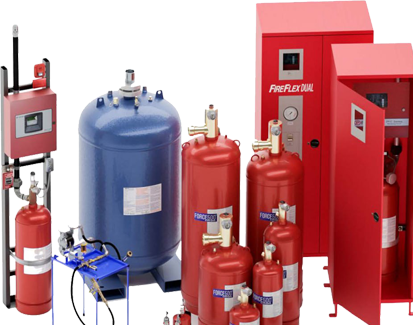
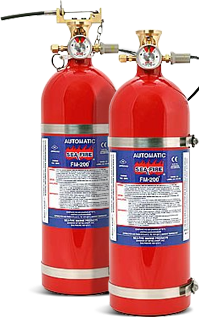
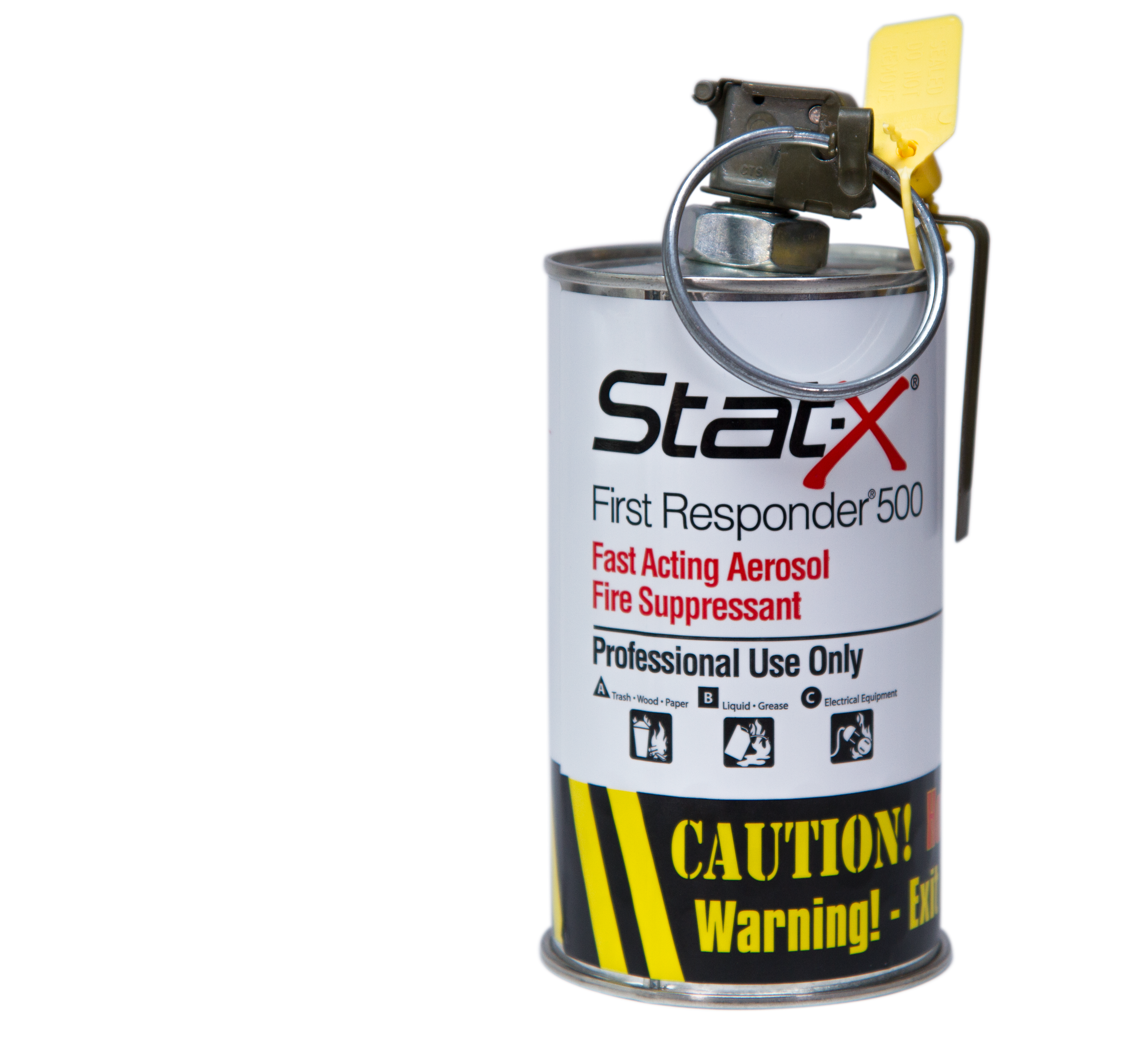
Your hazard class will dictate your suppression system. Data centers will need clean agents or inert gases, while normal officer space or warehousing may be more suitable for a water-based sprinkler system. Does your facility have a combination of all the above? A professional can help you parse out how to lay out your entire suppression plan.
CAD and Hydraulic Calculations
AHJs and insurance companies will need to have copies of your hydraulic calculations and CAD schematics to ensure proper coverage over your entire facility. Copies of these should always be kept on hand for easy access.
Equipment and Panel Layouts
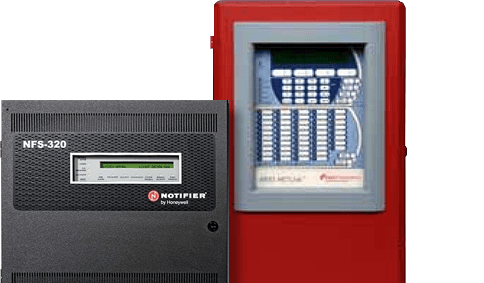
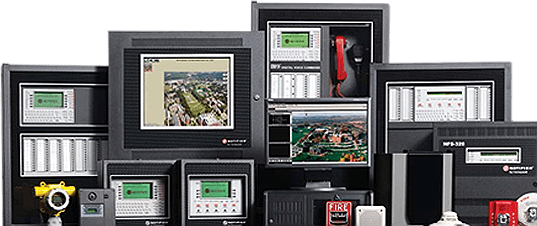
A panel room is a useful addition to manage the integration and interconnection between your detection system, alarm and alert system for notifying local agencies, and suppression agent of choice. Having automatic connections between all these systems speeds up the entire process of putting out fires.
Stage 3 – Approvals & Permitting
Having professionals at CFS on hand to liaise with local authorities can save headaches and ensure first-time compliance. Engineers of record (P.Eng) are an invaluable resource when dealing with the sometimes grueling process of coordinating plans with insurance companies, fire authorities, and codes departments.
Stage 4 – Installation Oversight
CAN/ULC-S524 installation standards need to be adhered to with all buildings. Luckily, engineering teams are available to verify important factors such as nozzle placement, wiring compliance, and proper piping.
Stage 5 – Verification & Commissioning
CAN/ULC-S537 Fire Alarm Verification
Installation is important, but constant upkeep is just as vital for consistent functionality of your fire alarm. Each device in your alert and notification plan needs to be rigorously tested.
Suppression System Acceptance Tests
The actual mechanisms also need to undergo constant maintenance to perform appropriately. Since these nozzles and canisters should only be deployed during a fire, they don't get the same kind of workout as other parts of your system. Find time to run them and test each part for proper flow, spray, and discharge.
People also search
Documentation
Keep all your records from your ULC verification and commissioning certificates. These will be important if any issues with your insurance or AHJ come up.
Stage 6 – Post-Occupancy Support
CAN/ULC S536 and S538 cover testing and maintenance and should be strictly adhered to. NFPA 2001 also offers guidance for clean agent extinguishment.
Case Insight
CFS performed a full risk analysis for an industrial facility's retrofit. A CAD layout was made, and plans were drawn up for an integrated alarm and FK-5-1-12 suppression system. Filing the proper paperwork made passing the AHJ's inspection on first submission easy and fast, resulting in a quicker start to business than anticipated.
Final Recommendations & Best Practices
Make sure to hire a qualified fire systems engineer early in your design process to get started on the right foot as quickly as possible. ULC-listed equipment and adhering to all current NFPA editions will help to ensure compliance and safety, while documenting your efforts will cover you when verification is required. Your commissioned drawings and plans should be combined with proper staff training. Remember, every tool is the wrong tool if it is used incorrectly.
Consult with Control Fire Systems Ltd. Fire Systems Engineers . From risk assessment to commissioning, we deliver compliant, integrated fire protection solutions across Canada.