













Fire Protection for Mechanical and Electrical Rooms: Why “General Coverage” Is Often Not Enough
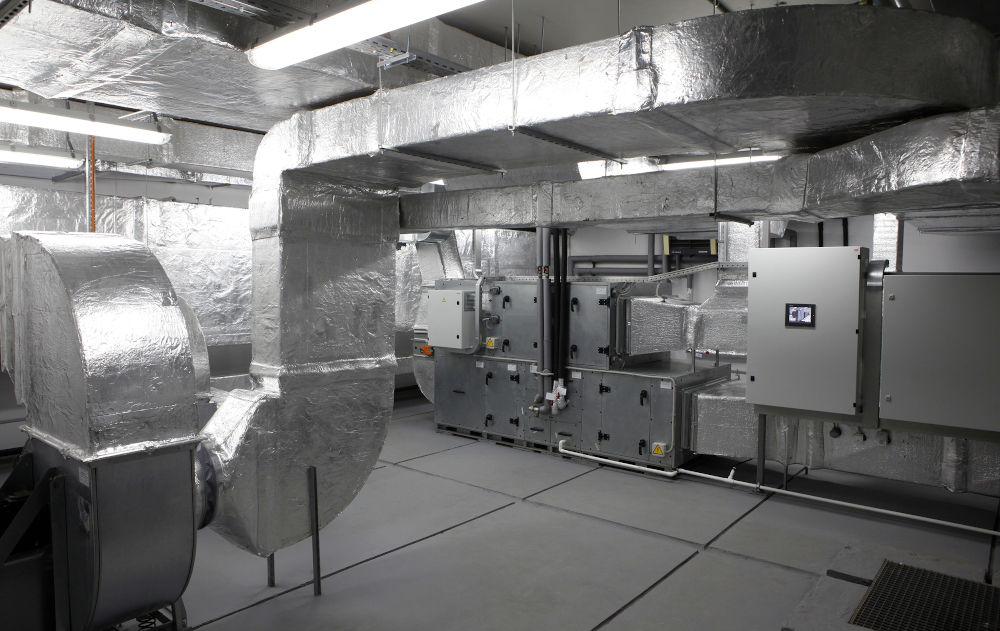
Mechanical and electrical rooms are often treated as background infrastructure-out of sight, rarely visited, and assumed to be adequately protected by a building's general fire suppression system . In reality, these spaces represent some of the highest fire risks in modern commercial and industrial facilities. Packed with energized equipment, continuous heat sources, and limited airflow, they create conditions where a small fault can escalate rapidly into a serious incident.
The problem is that “general coverage" fire protection is not designed for these environments. Conventional sprinkler systems are typically optimized for common combustible materials, not energized electrical equipment, sensitive controls, or mission-critical infrastructure. In many cases, water-based suppression can be ineffective, unsafe, or financially devastating due to equipment damage and downtime.
Explore further
Understanding why these rooms require specialized fire protection-and what inspectors, insurers, and standards expect-is essential for protecting both your facility and your operations.
Why Mechanical and Electrical Rooms Are High-Risk Spaces
The term “general coverage," when used in a fire suppression capacity, is often limited to basic Class A fires (normal combustibles such as furniture, paper, cloth, etc.). Many modern businesses rely on electrical equipment like server rooms or data centers to power their income streams, and these conventional fire protection methods are inappropriate for this style of fire.
These rooms often contain multiple heat sources, poor ventilation, and an increased risk for electrical fires. Even if the rest of your building is adequately protected by a water-based sprinkler system, these rooms require specific solutions to the unique problems they create.
Typical Rooms Covered by This Discussion
Electrical Rooms
A general term that can mean anything from the main electrical power supply, to a UPC battery bank , to control rooms . These pose a major risk of electrical shorts and overheating.
Mechanical Rooms
HVAC equipment , boiler rooms, and pump rooms all contain machinery that can get very hot very quickly in a confined space.
Fire Risks Specific to These Rooms
Electrical Faults and Arc Events
Arc faults are a common source of electrical fires. Old equipment, especially when it is tied into newer machines, can create significant issues with electricity.
Heat and Continuous Operation
Constant operation means constant heat, and in tight, poorly ventilated spaces this heat can snowball quickly, creating the perfect environment for fire to start.
People also search
Limited Early Human Detection
These rooms are frequently unmanned. Even with advanced detection and suppression systems, human intervention is an important component in quickly addressing and extinguishing fire.
Why General Building Protection Is Often Insufficient
Critically, water might not be a useful agent in dealing with fires in some of these locations. Not only will it be ineffective against an electrical fire, it may damage sensitive electrical equipment, negating its usefulness further.
In these types of rooms, a suppression system needs to be able to attack an incipient flame locally, not generally, and a conventional system is designed to do the opposite of that. Without the luxury of having a person nearby to operate a manual extinguisher, the entire room could be lost without a dedicated system in place.
Special Hazard Fire Suppression Options for Mechanical and Electrical Rooms
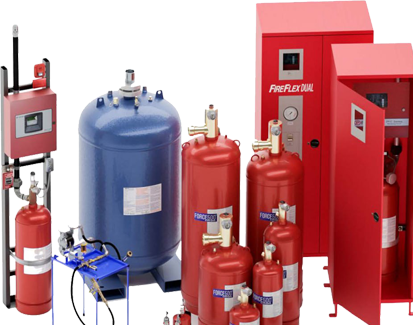
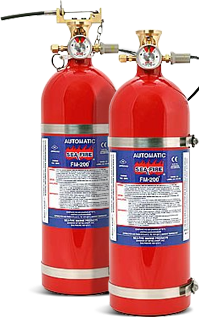
Clean Agent Systems
Clean agents are an elegant solution to these problems. Safe to use around delicate electrical components, these systems deploy automatically alongside very early detection services to squash the fire risk almost before it even materializes without any stoppage in business.
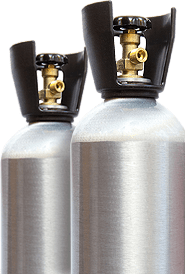
Inert Gas Systems
In unmanned areas with integrated ventilation control, inert gas systems can deprive the fire of necessary oxygen rapidly, removing the threat quickly. This also causes no damage to the components of either an electrical room or a battery bank.
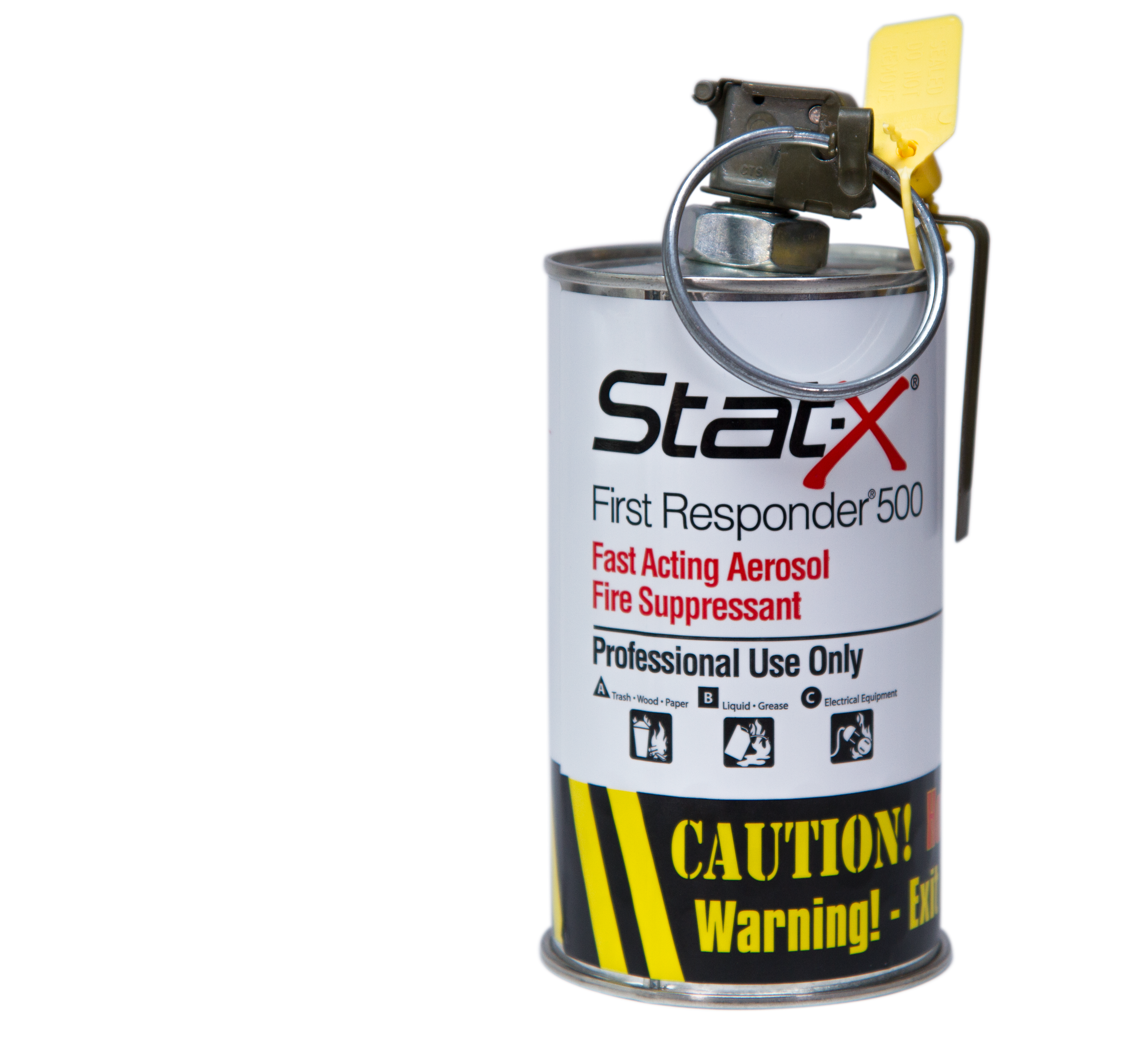
Aerosol Fire Suppression
Aerosol suppression canisters are portable and a great choice for small rooms and cabinets. Self-deploying, they require little maintenance and can effectively deal with an electrical fire without the need for human interaction.
Detection and System Coordination Considerations
Completely autonomous systems can be set up for sensitive rooms to cover everything from detection, to suppression, to ventilation. While having oversight from a control room can also be valuable, these integrated systems resolve potential emergencies, and alert the local fire department, faster than a traditional response. Importantly, these systems are always operational, day and night, so your electrical rooms will be protected no matter what else may be going on.
Common Inspection Findings in Mechanical and Electrical Rooms
Post-incident analysis of mechanical and electrical rooms turns up several recurring findings. Many rooms simply have the incorrect agent for the items they are protecting; whether through a lack of compliance or not hiring the right fire professionals, these business owners did not do their due diligence.
Any alterations or upgrades to your room change the fire load and suppression scheme necessary. Minute changes in technology may require new agents or a different discharge layout to fully protect the room.
The types of agents used in these rooms all require the correct type of ventilation; namely, that the room be sealed while the agents are being deployed. If the agents find a way to leak out, the fire may be able to grow with the ineffective disbursement of the inert gas or clean agent.
Lastly, incorrect documentation, as every business owner knows, is the biggest problem of all. Carefully document all of your special hazards needs, suppression tools, maintenance records, and equipment to stay on top of the game.
When Special Hazard Suppression Is Typically Expected
Inspectors and insurance agents will expect localized special hazards suppression in any confined, technologically advanced room in your facility. This includes critical power and infrastructure systems, as well as any piece of machinery that may be damaged by water (which would be used in a conventional suppression setup).
Adding more complexity, they will consider how a fire in the room may impact other parts of the building; rooms with the potential to quickly extend to interior exposures may also need special suppression treatment.
Case Insight (Example)
A business owner did not understand why the server in the back of his retail office needed more protection, and began running afoul of inspectors because of it. After researching and installing the correct clean agent system, his business improved its compliance and remained operational with no downtime. Failure to properly assess his equipment and fire hazard nearly cost him operational downtime.
Final Recommendations & Best Practices
Mission critical and sensitive rooms like server and machinery areas need to be evaluated completely separately from the rest of the structure when fire detection and suppression is designed. Make sure to properly evaluate the types of risk these rooms pose and match the suppression agent to it appropriately. Also go back and reassess your design and agent choices when changes to room design or machinery upgrades are installed. Have your maintenance and inspection documentation kept in a safe place and ready for viewing in the event of an audit.
Protect Your Mechanical and Electrical Rooms With the Right Fire Suppression Strategy.
Control Fire Systems Ltd. designs and maintains
special hazard fire suppression systems for critical rooms across Canadian commercial and industrial facilities.