












Commissioning Special Hazard Suppression Systems in Canada: Acceptance Tests, Common Misses, and Close-Out Documentation
Key Takeaways
- Commissioning is the stage that confirms a special hazard suppression system is not only installed, but actually ready to perform as designed in a real fire event.
- Acceptance testing in Canada should verify not just cylinders, nozzles, and releasing logic, but also room integrity, interface functions, and system-specific operational requirements.
- Clean agent, inert gas, and aerosol systems all have different commissioning priorities, but each depends on accurate configuration, working controls, and correct hazard coverage.
- HVAC shutdowns, damper operation, door releases, mag locks, and equipment shutdown interfaces are some of the most common causes of commissioning delays and test failures.
- Many handover problems come from preventable misses such as unsealed penetrations, undocumented field changes, incomplete as-builts, missing signage, or inadequate operator training.
- Close-out documentation is a core part of commissioning and should include technical records, operational procedures, evidence of testing, and clear traceability for AHJs and insurers.
-
A strong commissioning process reduces rework, speeds up turnover, improves compliance readiness, and helps ensure the system remains reliable after handover.
Installing a special hazard suppression system is only one part of the job. Until the system has been commissioned, tested, documented, and turned over correctly, the project is not truly complete.
In Canadian facilities, commissioning is the step that confirms the suppression system can function as intended under real operating conditions. That means checking more than the hardware itself. It includes verifying releasing logic, shutdown interfaces, room integrity, equipment coordination, control panel response, and the quality of the final documentation that supports compliance and future maintenance. Without that process, a system may be physically installed but still not ready for acceptance, insurer review, or reliable long-term use.
This article explains what commissioning for special hazard suppression systems in Canada typically includes, what acceptance tests facilities should expect, which issues most often delay handover, and what close-out documentation is needed to support a smooth and audit-ready turnover.
Explore further
Why Commissioning Matters More Than "System Installed"
Keeping up with compliance standards isn't just about ticking boxes and keeping your insurer and AHJ happy. Commissioning for special hazards systems ensure the viability of your system and protect your business, employees, and assets from harm should a fire event occur.
Rather than thinking the install of a new system completely indemnifies your from all harm, focus on meeting the guidelines that cover big rocks like room integrity and cylinder configuration.
What "Commissioning" Covers for Special Hazard Systems
Beyond the actual install and setup of your clean agent system, commissioning can cover vital steps like pre-function checks and actual functional testing of all controls and interfaces. Checking off the room itself is an incredibly important step sometimes glosses over; most issues with clean agent systems have nothing to do with the agents themselves, but rather with the room layout. As always, documentation and proper training is all-important.
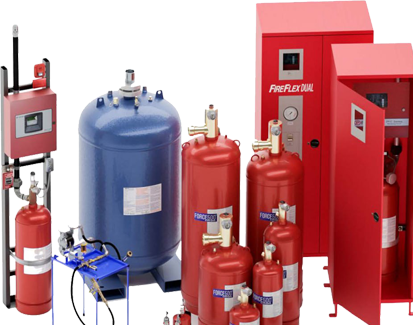
Different agents will have different requirements and scopes. Between clean agents, inert can systems, and canisters, each will have slightly different needs.
Acceptance Tests You Should Expect (By System Type)
Clean Agent Systems (FK-5-1-12, etc.)
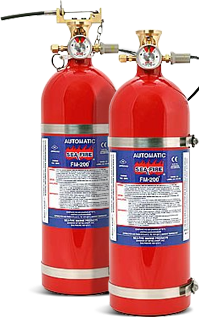
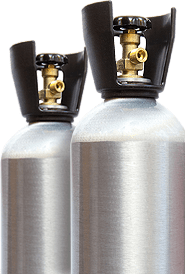
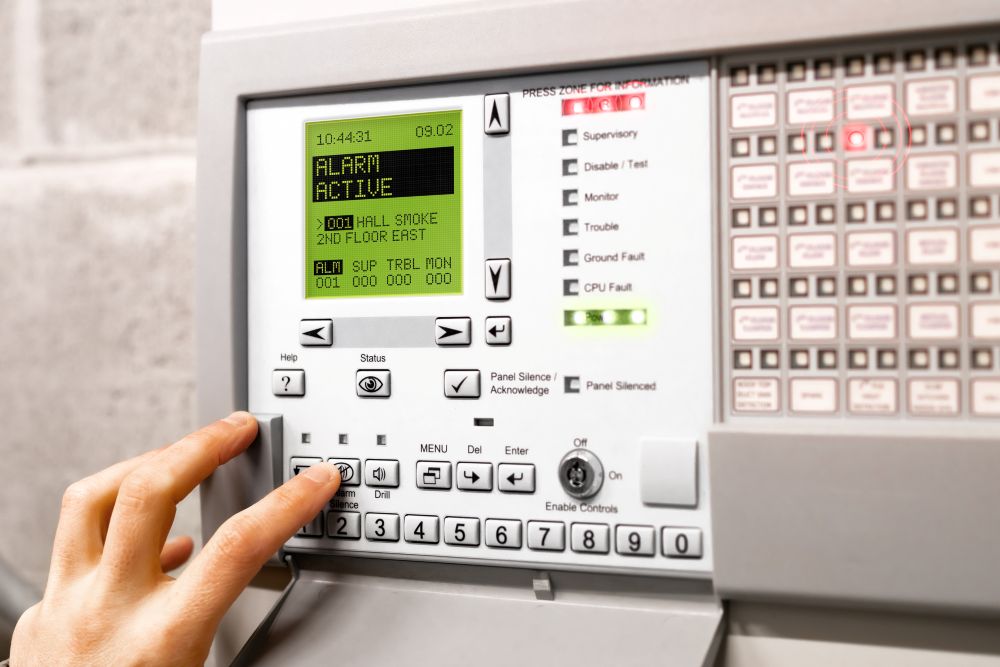
These are the acceptance testing items you will typically find on a checklist for clean agent systems ( FK-5-1-12 being the most popular). Basic checks for cylinder weight and pressure need to be conducted as well as checking off the actual valve and release mechanisms. You'll need to verify the nozzle and piping setup actually corresponds to the schematics drawn up, and use the control panel in a simulation that includes the discharge conditions. Lastly, you will need to do a complete room inspection to confirm integrity.
Inert Gas Systems (N₂, Ar, IG blends)
Inert gas systems have similar compliance needs to clean agents. Their cylinders and pressures need to be checked off, and discharge time and logic also need to be verified. Having a sealed room is just as important for inert gases, and the danger they pose means proper signage and egress procedures need to be put in place and confirmed.
Aerosol Systems (Room or Local Application)
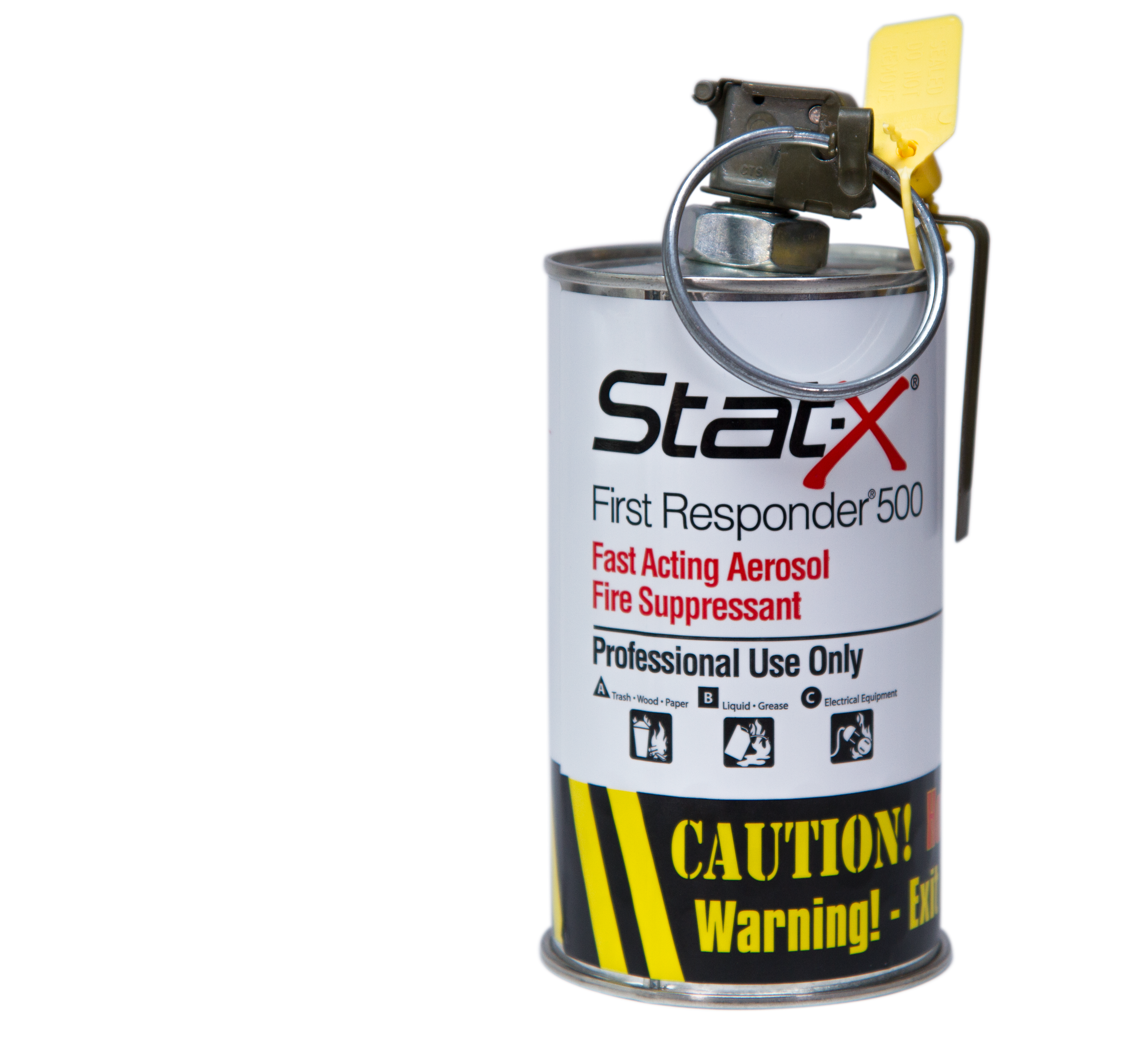
Aerosol solutions differ slightly in that they typically include self contained canisters rather than large banks of cylinders. Because these systems are more targeted, verifying the placement of each canister relative to the potential area of risk is extremely important. Checking off the activation of logic verification remains an important step, as does a review of the environment they are placed into. Lastly, you will need to check off that the canisters used are the appropriate size and scope to deal with the cabinets they are supposed to be protecting.
People also search
The Interfaces That Usually Cause Commissioning Failures
HVAC Shutdown and Dampers
Airflow through HVAC systems, often caused by dampers or missing interlocks, can often cause a failure on inspection. Avoid the need for retesting by being proactive about fixing these issues.
Door Releases, Mag Locks, and Access Controls
Doors are always the most common place for air to escape and new air to make entry. Synchronize your doors and enclosures to your task.
Power and Equipment Shutdown Strategy
Once fire is introduced into a complex electrical array, those rooms usually need to be powered down during suppression activities to avoid further fire spread and assist in the suppression. Create a plan and a system to make sure this is done in an organized and predictable way.
The "Common Misses" That Delay Handover
The most common problems faced during commissioning can usually be easily handled before they occur.
Room integrity is the most commonly ignored component. Remember, even a minimal amount of work done inside a room or minor renovation can change the behavior of the room and cause a failed test.
Your venting system needs to be specific to the room and agent; predefine these levels so everything works the first time.
Everything needs to be documented properly, including cylinder weight and pressures. Insurers and AHJs can make your life miserable if you fail this simple step.
Don't use generic safety signs and procedural manuals. Take the time to make room specific documentation for everything to avoid additional downtime during inspection.
No system works without proper implementation. Provide, and document, all the proper training needed to get your suppression system working correctly.
Close-Out Documentation Checklist (What You Need for AHJ and Insurers)
These are the list of items insurers and AHJs will need to allow your system, and business, to get up and running. Make multiple copies of this and adhere to it strictly.
Core Technical Package
Drawings and device layouts that accurately reflect the layout of the room and cabinets.
Designs and calculations for your room.
Complete inventory of system components, including cylinders, valves, and modules.
All prior tests and checkoffs
Operational Package
Complete list of who to contact during impairment, and the procedures to follow during the impairment.
Steps to take, including assignments and safety measures, during the post-discharge period
Maintenance schedule.
Spare parts and locations
Evidence and Traceability
Reconfirm cylinder weights and pressures at handover with proper documentation of everything
Photos of all components for verification
All close-out confirmations and logs
Commissioning Workflow (A Simple Sequence That Works)
Pre-Commissioning Walkdown
Check off that what is written down matches what is actually physically present. Walk the room and confirm it conforms to the drawings.
Functional Testing and Interface Verification
Create a simulation to test the logic and discharge functions of your system.
Final Turnover and Training
Perform final training, send your documentation to the proper authorities, and delegate all future required actions.
Case Insight (Example)
An industrial facility commissioned a clean agent system for an electrical control room. Initial testing revealed that the HVAC dampers did not fully close and cable tray penetrations were added after installation, changing the integrity of the room. A short remediation cycle followed wherein seal penetrations were fixed and the correct damper interlocks were installed, and the system passed acceptance testing. Proper close-out included a full documentation binder and an operator playbook, enabling smooth insurer review and future inspections.
Final Recommendations & Best Practices
Commissioning is there to assist you in improving your suppression capabilities; it is not just a box-ticking activity. Visually inspect and verify all interfaces early in the process, and walk-through your room to validate its integrity. Have your paperwork in order and read to get your audit completed as quickly as possible, and make sure everything knows their role and responsibilities.
FAQ
1. What does commissioning mean for a special hazard suppression system?
Commissioning is the process of verifying that the installed suppression system operates correctly, matches the design intent, and is ready for safe turnover. It usually includes inspections, pre-functional checks, interface verification, acceptance testing, documentation review, and operator readiness steps rather than just confirming that the equipment has been installed.
2. Why is commissioning important even after the system is installed?
A completed installation does not automatically mean the system will perform correctly in an emergency. Commissioning helps identify issues such as improper interface programming, room integrity problems, missing shutdown functions, documentation gaps, and field changes that could prevent the system from passing acceptance or operating as intended during a fire event.
3. What acceptance tests are typically required for clean agent systems?
Clean agent system acceptance testing often includes checking cylinder weight and pressure, valve and actuator status, nozzle and piping layout verification, release logic simulation, control panel operation, alarm and supervisory functions, interface testing, and confirmation that the protected room can support the required enclosure performance. Depending on the project, room integrity validation may also be part of the acceptance process.
4. Are commissioning requirements different for inert gas and aerosol systems?
Yes. While all special hazard systems require testing and documentation, the focus can vary by system type. Inert gas systems may place more emphasis on discharge timing, room containment, pressure considerations, and occupant safety measures, while aerosol systems often require close attention to module placement, activation logic, enclosure suitability, and whether the selected canisters properly match the hazard being protected.
5. What are the most common issues that delay commissioning sign-off?
Some of the most common delays involve HVAC dampers not closing properly, missing interlocks, access control conflicts, unsealed cable penetrations, undocumented field modifications, incomplete room preparation, missing labels or signage, and close-out documents that do not match the final installed condition. These issues often appear late in the project but are usually preventable with earlier coordination.
6. What documents should be included in the close-out package?
A proper close-out package typically includes as-built drawings, design and calculation records, equipment and component lists, acceptance test records, cylinder and pressure documentation, interface verification results, maintenance information, impairment procedures, spare parts details, training records, and photos or logs that support traceability. AHJs and insurers often rely on this package to confirm the system was commissioned correctly.
7. Who needs training before a commissioned system is handed over?
Training should usually be provided to the people responsible for day-to-day operation, emergency response, impairment handling, and service coordination for the protected area. That can include facility managers, operators, maintenance personnel, safety leads, and anyone expected to respond appropriately before, during, or after a suppression event.
Commissioning a special hazard suppression system in Canada?
Control Fire Systems Ltd. supports
Canadian projects with commissioning planning, acceptance testing oversight, deficiency close-out, and complete, audit-ready documentation-helping you hand over a system that performs as designed and stays compliant long after turnover.