













Fire Safety During Facility Shutdowns and Low-Occupancy Periods: What Canadian Sites Overlook

Facility shutdowns and low-occupancy periods are often treated as low-risk intervals-fewer people on site, reduced operations, and minimal activity. In reality, these conditions frequently increase fire risk rather than reduce it. When buildings are partially staffed or completely unmanned, early warning signs go unnoticed, response times lengthen, and small issues have more opportunity to escalate into serious incidents.
Explore further
Critical systems such as electrical rooms, UPS battery banks , server rooms , and control panels remain energized even when a facility appears “closed." Heat generation, electrical faults, and equipment failures do not pause for holidays, weekends, or seasonal slowdowns. At the same time, maintenance schedules are often deferred, systems may be left impaired after servicing, and documentation can be overlooked.
Canadian fire codes do not relax requirements based on occupancy levels. Understanding how shutdowns affect fire risk-and how to maintain protection, compliance, and operational continuity during these periods-is essential for any facility planning reduced staffing or temporary closure.
Why Shutdowns and Low Occupancy Increase Fire Risk
Facilities can operate with limited or no staff for several reasons. Weekends, holidays, elections, or slowdowns can result in a facility operating with barebones staffing, or even none at all.
Fewer eyes on potential problems can create a more hazardous environment, especially if automated early detection systems haven't been properly maintained. The delay or complete absence of a manned, on-site fire response can further delay definitive action from being taken to secure your business' operational integrity.
Common Shutdown Scenarios in Canadian Facilities
Seasonal Closures
It's not uncommon to have shutdowns during seasonally slow periods. Your business and operational structure needs to account for fire safety even during times when it may not pose a threat to life.
Partial Shutdowns
Likewise, certain operational components may close or be inactive for scheduled periods during the year. Sometimes, this can lead to lack of oversight for maintenance of critical fire suppression components.
Night and Weekend Low Occupancy
Many offices and businesses will keep some amount of staff available on-site during nights and weekends, but being this far from “fully staffed" can leave gaps in knowledge of how your fire suppression system operates .
People also search
Special Hazard Systems During Low-Occupancy Periods
Why These Systems Remain Critical
Many server spaces and electrical rooms remain mostly unmanned during operation, but this doesn't mean the threat to fire safety doesn't still go up when there are fewer employees nearby.
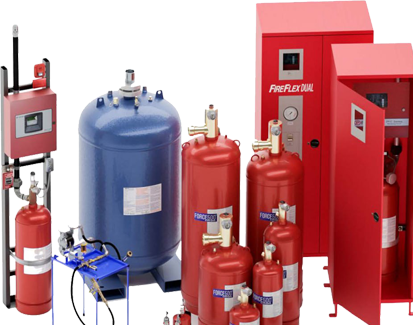
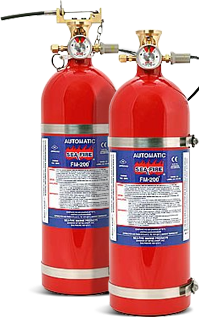
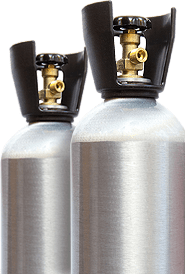
Most of these clean agent or inert gas special hazard fire systems will include automatic detection and deployment, but it is critical that the systems themselves are well maintained and remain in operation during shutdowns.
Increased Consequences of Delayed Response
While automatic detection and suppression systems are invaluable, human intervention is still an important part of the chain. Having limited access to employee intervention, or relying completely on the local fire service to arrive creates more time between an incipient flame and the first arriving actions. Having a well-integrated and designed automatic detection and suppression system is absolutely critical in these instances.
What Often Goes Wrong During Shutdowns
Post-incident reviews of many fires show the same things over and over in low-residency situations. Powerful automatic systems get left off following maintenance, or worse, inspection is delayed or withheld under the idea that the business simply won't need advanced protection during periods of limited use.
Even when the facility returns to a fully-staffed status, the system may be left in a state of disrepair without the proper follow-up. Continuously following inspection, maintenance, and training plans, regardless of staffing levels, is key when it comes to allowing your system to continue to protect you.
Canadian Expectations for Fire Protection During Shutdowns
The Canadian Fire Code expects full coverage of your facility regardless of the level of use it has. Limited staffing in no way limits fire load or fire risk, and every safety code should be followed continuously.
This includes keeping up with proper documentation, even when there may be fewer staff on hand to perform routine visual checks and tests. If the system itself does have to be shut down in conjunction with the facility's closure, the creation of interim safety measures to ensure protection standards are met is an absolute requirement.
Lastly, the codes expect you to have clear roles assigned in the event of a fire even if the facility is unmanned. Your liability does not end because you are placing fewer people in place for a given period.
Managing Maintenance and Inspections During Low Occupancy
Scheduling Work Without Extending Risk
Periods of system shutdown are allowable, but they need to be properly planned and assessed within a holistic strategy. The entire system needs to be restored and documented as soon as possible.
Temporary Safeguards
You can use manual systems like fire watches and other mitigating operational restrictions to reduce the risk of fire, but these are not long-term solutions. Understand that these are temporary measures taken during specific times, and actively plan to restore your full-time efforts.
Communication and Handover
You must make sure to have strict beginning and ending dates for your shutdown and adhere to them properly. Everyone needs to be on the same page to avoid a completely preventable disaster.
Documentation That Matters Most
Impairment Logs
Just as important as the measures you take is the documentation of them. AHJ compliance and insurance companies can both request specific paperwork during audits, and you want to make sure they know your company was on the right side of things.
Post-Shutdown Verification
Prior to resuming full operations, make sure your system is completely turned back on and functional. In post-incident reviews, this is often one of the most overlooked steps.
Common Misconceptions
While not having any employees on-site does lower the risk of a fire causing injury or fatality, the risk of a fire growing, and damaging important or valuable assets, rises dramatically. Human observation and intervention is still key to fire safety, and not having any on-site personnel can expand a fire's risk.
There is also a misconception that short shutdowns don't require any documentation; this comes back to haunt many businesses who have critical incidents and have an insurance audit. All fire suppression shutdowns require proper paper to be done.
Lastly, critical rooms are just that; critical. Of all the assets in your business, they are the most sensitive and the most valuable. Having provisions in place to safeguard them increases your operational integrity and reduces the chance of any loss of income.
Case Insight (Example)
During the holidays, a manufacturing facility enters into a shutdown period while maintaining a UPS battery room and control room for building monitoring. By documenting everything before commencing the closure, and ensuring complete operability before reopening, the business avoided any compliance issues and was able to return to business-as-usual on time.
Final Recommendations & Best Practices
Low occupancy periods seem like they have a lower risk, but the reality is unmanned or lightly staffed buildings carry a higher operational risk. Keeping this in mind, it is the best practice to keep all special fire hazard systems fully operational during these periods, as well as making sure to keep up with all maintenance and testing of said systems. Proper documentation of all closures and shutdowns is vital to keeping your business clear of compliance issues. Lastly, test and restore complete system functionality prior to fully re-opening.
Planning a Facility Shutdown or Reduced-Occupancy Period?
Control Fire Systems Ltd. helps
Canadian organisations manage special hazard fire suppression systems during shutdowns, maintenance windows, and low-occupancy operations — without compromising safety or compliance.