













Hospital Fire Safety: Silent Suppression Solutions for Operating Rooms and Imaging Suites
Why Fire Safety in Hospitals Requires Special Systems
Medical facilities, including surgical rooms, imaging centers, and other patient-focused healthcare environments are unsuitable for traditional fire alarm and suppression methods. Not only can sprinkler systems damage sensitive equipment (similar to the challenges faced in protecting server rooms), loud noises and changes in lighting can create unsafe environments for both medical professionals and sick or injured patients.
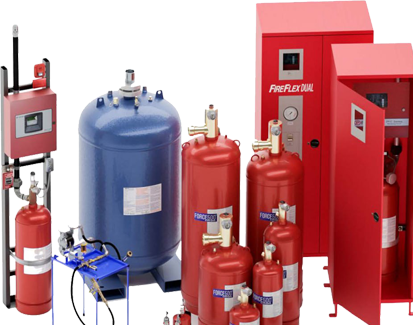
The solution is to combine clean agent systems with silent response detectors to make sure the constant stream of people coming through the doors, and the sensitive equipment permanently housed within, are both protected.
Explore further
Key Risks in Operating and Imaging Areas
Oxygen and Anesthetic Gases
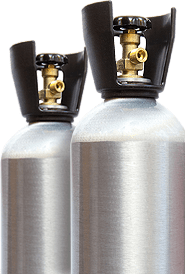
These areas frequently house compressed oxygen cylinders, as well as numerous other gases used in the medical field. Oxygen is highly flammable, and compressed containers can easily explode when introduced to the high heat fires present. Numerous other gases may negatively interact with both flames and the most typical way to put them out; water. Suppression system to be designed to accommodate both of these potential hazards.
Sensitive Equipment
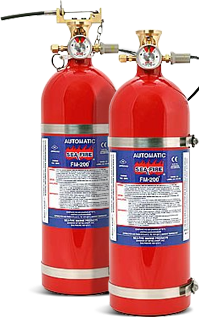
Just like a server room or data center, imaging centers that house machinery like MRI and CT scanners can't be outfitted with traditional water sprinklers. Clean agent system, such as FK-5-1-12 , can be used instead.
Continuous Operation & Occupancy
Unlike many other business centers and warehouses, hospitals are staffed and filled with patients without any breaks in operation. Systems must be both instantaneous and safe for the many people within the structure .
Silent Suppression Technologies for Healthcare
Clean Agents (FK-5-1-12 / Novec Alternatives)
Residue free, non-conductive clean agents are ideal for these environments as long as the specific chemical is safe for human exposure (most of them are).
Inert Gas Systems
Oxygen displacement systems can be used around sensitive machinery in areas where patients in beds are continuously located. Inert gases can be ideal for MRI rooms where it is important to avoid pressure shock.
Pre-Action & Hybrid Systems
Hybrid systems can be useful in more “standardized" locations within large medical facilities, such as storage rooms, non-patient accessible offices, and places where “ordinary" business takes place.
Detection and Control Integration
Very Early Smoke Detection (VESDA / Air Sampling)
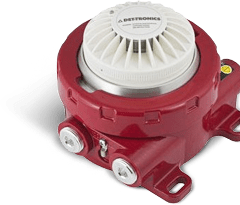
Because of the vulnerability of the housed population, delicacy of the equipment, and complexity of evacuation plans, a Very Early Smoke Detection ( VESDA ) system should be an essential part of your plan for operating rooms and imaging suites. These systems can pick up an incipient fire before visible smoke, and even before traditional smoke detectors.
People also search
Integration with Fire Alarm & Building Systems
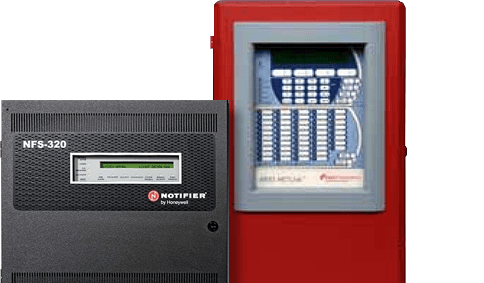
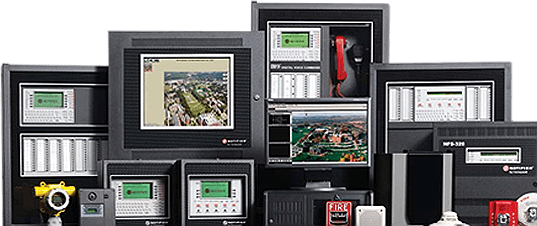
Your detection system should be automatically linked with your building's suppression system to both release the proper suppression agent and alert the local fire authorities.
Canadian Codes and Standards
Several national and local codes apply to your health care facility's protection plan. NFPA 99 governs health care facilities codes, and Canadian-based CAN/ULC-S524 covers installation and CAN/ULC S-524 handles inspections and testing. CSA Z32 can also offer insight into electrical safety specific to healthcare facilities.
The NFPA, National Fire Code of Canada, and your local AHJ will view your medical center as a “special hazard" area, primarily because of the profundity of medical gases that could potentially be held within. Unlike normal combustibles, these gases present both local and environmental threats if released or exposed into combustion.
Maintenance & Inspection Requirements
Each component of your detection and suppression system requires a unique schedule of testing and maintenance. Work with a professional to set up a schedule to maintain the good working order of all your components.
Case Insight
A Toronto hospital brought up its safety plan by retrofitting its imaging suite to use FK-5-1-12 and achieve full ULC certification. This change ensured the facility had zero downtime and was able to continue providing its valuable service without any breaks.
Final Recommendations & Compliance Tips
The needs of your facility need to be taken into consideration during every step of planning and construction. Medical facilities require different schemes than warehouses of business offices and the requirements should be strictly adhered to. The complex system of HVAC and integration of medical gases of compressed oxygen means coordination and interconnectivity between all parts of your system need to be top notch. NFPA, ULC, and your local AHJ's standard will serve as a guide, but regular testing and maintenance are essential.
Schedule a Healthcare Facility Fire Protection Assessment with Control Fire Systems Ltd. We design and service compliant, silent clean agent and detection systems for hospitals, clinics, and imaging suites across Canada.