













Fire Suppression in Retail and Shopping Centres: Common Violations and How to Fix Them

Retail spaces pose interesting challenges when planning out all-important fire safety systems. A rotating carousel of lessees, constant changes to the building's structure and decorative elements, and a lack of clarity when it comes to the responsibilities of tenants, landlords, and AHJs when it comes to maintenance and testing can lead to dangerous situations. By following our guide, and paying close attention to all pertinent codes and laws, you can avoid these problems and keep your business safe and operational.
Why Retail Fire Safety Is Often Overlooked
Retail complexes impose unique pain points for fire safety professionals . Frequently changing tenants and lessees, and the use of many different tradespeople and contractors during remodeling and decoration can lead to dangerous inconsistencies in the fire safety in the buildings and units.
Explore further
Common Fire Suppression & Alarm Violations
Blocked or Painted Sprinkler Heads
With the need to constantly decorative changes or refit ceilings to the needs to the individual real outlet renting the space, sprinkler heads can easily be painted over, leading to blockages in the system.
Expired or Missing Fire Extinguishers
Many tenants wrongfully think landlords, or the previous tenant, has already taken care of ensuring the mandatory fire extinguishers haven't reached their expiration date and are in good working order. NFPA standards are important to adhere to without leaving gaps in fire coverage.
Non-Serviced Kitchen Hood Systems
Restaurateurs are sometimes notorious for skipping or eliding safety inspections and servicing. Kitchen hood systems , especially in tightly packed, shared attic strip malls, can be a specific concern for this failure to comply.
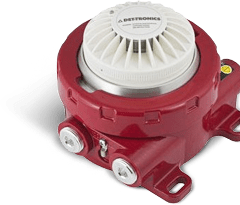
Alarm Devices Covered During Renovation
Covering up important alarm components during renovations can destroy the efficacy of the entire system. Installing and maintaining an appropriately functional alarm system should be one of the biggest pieces in your fire protection plan.
Canadian Code Requirements
While the American-based NFPA is still used in Canada (in the case of retail spaces, NFPA 96, used for kitchen hoods, is particularly relevant) the National Fire Code of Canada, along with the Ontario Fire Code, cover the bases you need to create a safe working environment. CAN/ULC also offers S536 for alarms and S537 for verifications. Having an expert review these codes with you and your builder to ensure compliance can save you headaches down the road.
Corrective Actions and Best Practices
Coordinating with Tenants and Contractors
Have an open line of communication with the building owner, AJH in charge of zoning, and your contractors. Understanding who is responsible for each component of fire safety in your unit will allow everyone to have a freer hand to do their job properly and keep your business up to code.
Scheduled System Inspections
Schedule all your inspections and checks ahead of time and keep a master calendar of them handy. Include necessary annual alarm and suppression system checks along with more frequent monthly extinguisher inspections.
People also search
Documentation for AHJs and Insurers
Save all your inspection paperwork, work order, and compliance issues in a separate folder for easy access in case insurance companies or local government officials need to pull them.
Integrating Retail Fire Systems
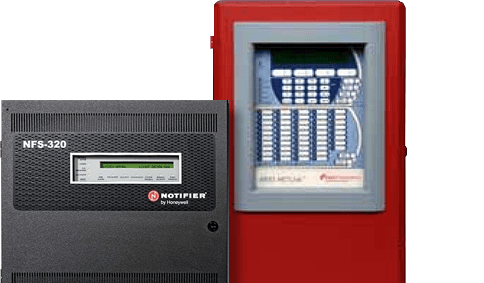
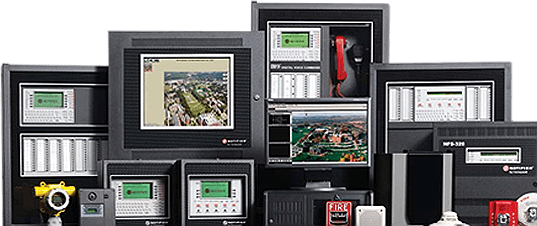
ULC certified monitoring systems (S561) help large, multi-tenant commercials complexes intercommunicate via alarms and suppression systems (sprinklers, etc.). Large, anchor tenants, the kinds of businesses that tend to have less turnover and more resources, can be valuable resources for housing these systems and serving as a base of operations.
Case Insight
A shopping center in Ontario had multiple compliance violations after several units were filled with new tenants who had to remodel the space to suit their aesthetic and functional needs. Several sprinkler heads were noted to have been painted over and non-functional. The inspector was able to identify the issues and, thanks to ready access to proper documentation, the businesses were able to put together a compliance plan that allowed them to open within a week.
Final Recommendations & Compliance Tips
Be sure to properly delineate responsibility between landlord and tenant in the fire protection plan, and schedule all inspections ahead of time to keep ahead of possible compliance issues. Be sure to thoroughly vet your bids and contractors to only work with ULC-certified professionals, and to inspect and re-certify all your system components after every retrofit and remodel.
Book a Retail Fire Safety Inspection with Control Fire Systems Ltd. We help property managers and tenants resolve
violations, restore compliance, and ensure safe, uninterrupted operations across Canadian retail spaces.